
Reviewed · WALKING TOURS
Full-Day Moshi Private Forest Walk and Local Market Tour
Moshi rewards curious visitors. This private day combines Mt. Kilimanjaro views and a quiet walk through Rau Forest with a local food market, so you see more than the usual post-climb hotel routine. I like the personal format, and I like that a professional local guide leads the day rather than leaving you to piece Moshi together alone.
The main consideration is time. Seven to nine hours is a full day, and the town stop, forest walk, market visit, and driving between them may feel long if you want a slow morning after climbing. Still, the flexible private setup helps, and guide Frazier has shown a welcome willingness to handle last-minute plans when possible.
In This Review
- Key Points at a Glance
- Why This Moshi Day Is Worth Your Time
- Starting in Moshi Beneath Kilimanjaro
- Walking Through Rau Forest’s Natural Springs
- Buying Fruit at Mbuyuni Market
- Seeing Moshi’s Coffee Connection
- What the Private Format Adds
- Who Will Enjoy This Day Most
- Booking Advice and Final Verdict
- FAQ
- How long does the Moshi forest and market tour last?
- Where does the tour start and end?
- Is hotel pickup included?
- What is included in the $120 price?
- Can I buy food at Mbuyuni Market?
- What is the cancellation policy?
Key Points at a Glance
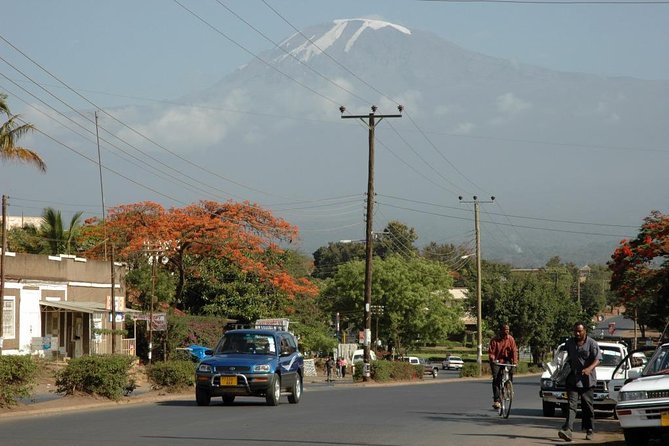
- Moshi at the foot of Kilimanjaro: Begin with a town introduction and a chance to see Africa’s highest mountain.
- Rau Forest’s underground water system: Walk among natural springs and plant life in a reserve only about 3 kilometers southeast of Moshi.
- Mbuyuni Market produce: See fresh-from-the-farm fruits, vegetables, and local foods, with time to buy something to eat.
- Coffee-country setting: Moshi sits at the center of one of Tanzania’s major coffee-growing areas, giving the town a useful local connection beyond mountain tourism.
- Private transport and guide: Your group travels alone, with bottled water, fees, transport, and the guide’s pay included.
- A personal touch: Frazier’s relaxed style has included sharing bananas at the market and explaining forest rituals.
Why This Moshi Day Is Worth Your Time
Moshi is often treated as a launching pad for Kilimanjaro. You arrive, organize your climb, return tired, and move on. That is a shame. The town has a calm, self-sufficient feel and a mix of African and Asian influences that gives it character without demanding a packed sightseeing schedule.
This tour gives you a practical introduction to that setting. You get a town tour in the morning, a forest walk in the afternoon, and a produce market before returning to the starting point. It is not a grand attraction-by-attraction bus tour. Its appeal is the connection between ordinary Moshi life, the natural springs below Kilimanjaro, and the food that comes from nearby farms.
I especially like the balance. The morning helps you get your bearings. Rau Forest gives you shade and fresh air. Mbuyuni Market brings you back into daily life, where the most interesting sights may be a pile of fruit, a local food stall, or the way produce is arranged for sale.
The experience costs $120 per person. That is not a bargain-basement outing, but it includes private transportation, bottled water, all fees and taxes, and a professional local guide. For a solo traveler or a small group, the value depends heavily on how much you want personal attention. A large shared tour might cost less, but it would not offer the same control over pace or conversation.
More Walking Tours in Moshi:
- Kilimanjaro: Village Walk, Coffee Tour, Waterfall, and Lunch
★ 4.5 · 56 reviews - 9 Days 8 Nights Walking Safari
★ 5.0 · 11 reviews - Walking Day Tour to Safari in Arusha National Park
★ 5.0 · 5 reviews
Starting in Moshi Beneath Kilimanjaro
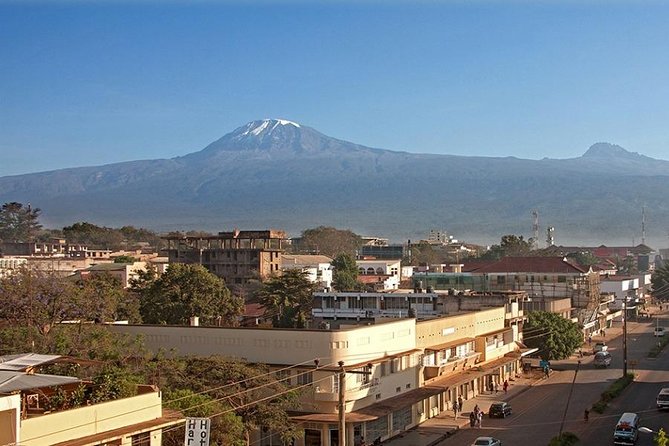
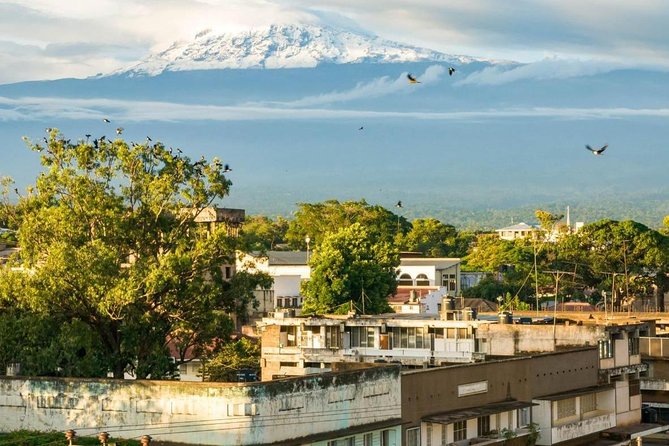
The town portion lasts about one hour and has no separate admission charge. Think of it as an introduction rather than a formal museum tour. Moshi sits at the foot of Mt. Kilimanjaro, and the morning is your best chance to take in the mountain if the sky is clear.
Views are never guaranteed, of course. Clouds can cover Kilimanjaro, and the mountain often has its own weather. Even so, the setting matters. Moshi’s streets, shops, and coffee connections make more sense when you understand that this is a regional center, not only a climbing base.
I like beginning here because it keeps the day grounded. You are not rushed straight into a nature reserve without context. Your guide can help explain how the town functions, how coffee shapes the area, and why so many people pass through on their way up or down the mountain.
The town is described as noticeably clean and relatively prosperous, with a low-key mood. That makes it easy to explore without the intensity of a major commercial center. You will see an appealing mix of local African life and Asian influence, though the exact route and stops are not specified.
If Kilimanjaro is your main goal, ask your guide about the best available viewpoint that morning. The tour promises a view, not a private mountain lookout, so the quality of the sight depends on weather and timing.
Walking Through Rau Forest’s Natural Springs
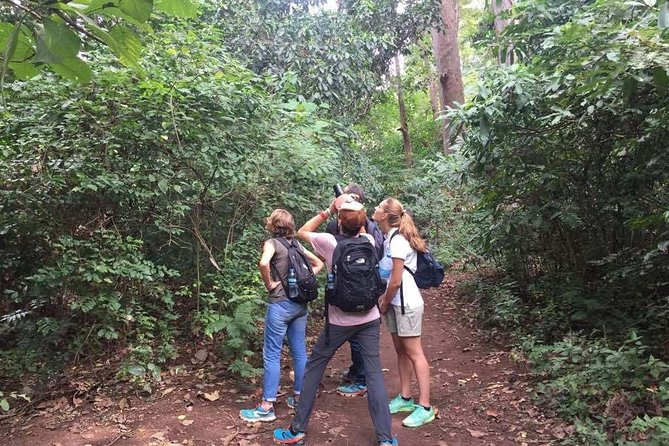
About 3 kilometers southeast of Moshi, Rau Forest offers the most restful part of the day. The walk lasts around two hours and is included in the price. The reserve sits on the gentle south-facing alluvial base of Kilimanjaro, at an altitude of roughly 730 to 765 meters.
The important detail here is water. Rau is described as an underground water forest, with natural springs that help support plant life and local livelihoods. That gives the walk more meaning than a simple stretch of trees. You are seeing part of the water system that makes life and farming possible around Moshi.
The forest also supports a range of plant life and biodiversity. I would approach this as a nature walk, not a strenuous hike or a wildlife safari. The supplied details do not promise particular animals, rare birds, or a long mountain trek. The attraction is the forest itself, its springs, and the chance to walk in a quieter setting after the town visit.
Your guide is an important part of this stop. A local guide can point out plants, explain the role of the reserve, and provide context for the springs. The experience may also include discussion of forest rituals. One memorable detail from the tour’s feedback was Frazier’s reference to forest rituals, which suggests that the walk can include local beliefs and customs, not only names of trees.
Wear practical walking shoes. The route is described as a forest walk, but exact trail conditions are not supplied. You should also be comfortable spending about two hours outdoors. Bottled water is included, which is useful, especially on a warm day.
The forest stop may be less appealing if you want a highly structured sightseeing program with many attractions. It is a slower, quieter experience. That is precisely why I like it, but you should know what you are buying.
Buying Fruit at Mbuyuni Market
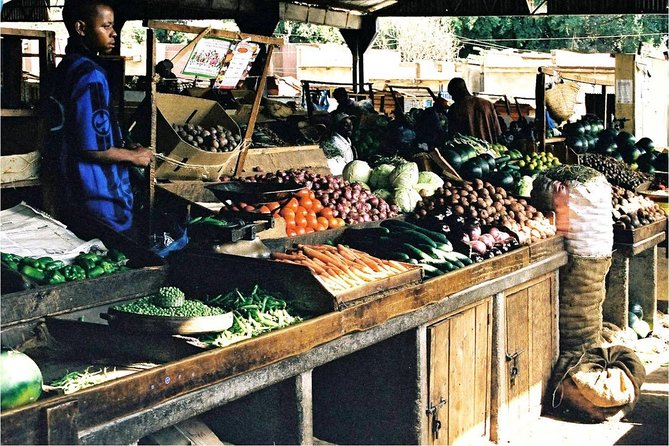
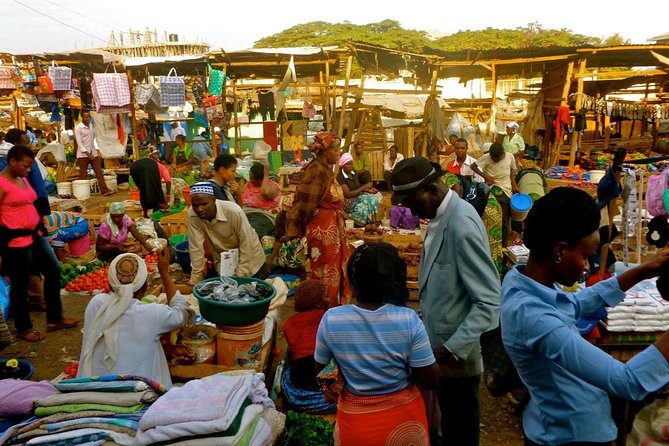
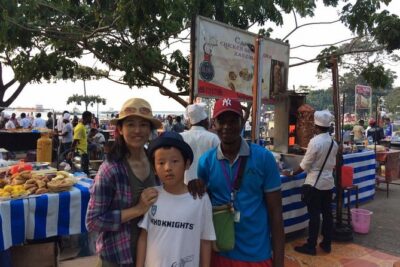
Mbuyuni Market is Moshi’s fresh-produce market, and the visit lasts about one hour. There is no separate admission charge. The focus is local food, with fruit, vegetables, and other farm products brought in for sale.
This is the kind of stop where a small amount of curiosity pays off. Look at what is in season. Notice the difference between produce sold in a market and food arranged for tourists. Ask your guide what is ready to eat, what is commonly cooked at home, and which items are grown nearby.
You can buy fresh fruit and local food, but personal purchases are not included. Carrying some Tanzanian shillings may be useful, although the tour details do not specify accepted payment methods or typical prices. Keep your purchase modest if you still have time in the vehicle and forest walk.
The market can also be a good place to try something simple. Frazier’s response to one guest specifically recalls eating bananas in the middle of the market. That detail gives you a sense of the tour’s informal side. The best moment may not be a formal explanation. It may be standing with your guide, trying a banana, and talking about how food moves from the farm to the town.
Market visits require a little patience and respect. Ask before photographing people or stalls. Let your guide handle language questions and explain local customs. Since the tour is private, you have a better chance to pause when something catches your eye instead of being pulled along with a large group.
One limitation is that Mbuyuni is a working market, not a staged cultural show. Its appeal depends on what is being sold that day and how much you enjoy ordinary food shopping. If you want an authentic look at local commerce, it fits well. If you prefer polished shops and fixed displays, it may feel rough around the edges.
More market walks in Moshi:
- Private Market Tour and Tanzanian Cooking Class in Moshi
★ 5.0 · 7 reviews - Moshi, Kilimanjaro: Local Market Shopping Experience
★ 5.0 · 2 reviews - Stone Town Guided Tour: Culture, Slave Market & Spice Market
★ 4.8 · 44 reviews - Arusha: Traditional Tanzania Cooking Class & Food Market Tour
★ 5.0 · 34 reviews
Seeing Moshi’s Coffee Connection
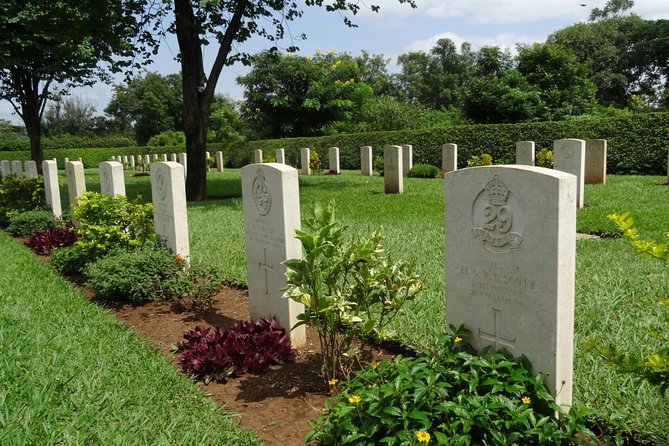
Coffee is part of Moshi’s identity. The town is at the center of one of Tanzania’s major coffee-growing regions, and this tour uses a local guide to connect the town visit with that wider setting.
The supplied schedule does not name a separate coffee farm or coffee tasting, so do not book this expecting a dedicated plantation visit. The coffee connection is part of the Moshi experience and the guide’s local explanation. If coffee interests you, ask how much time can be given to the subject during the town portion.
This is still useful context. Kilimanjaro tourism can make the area seem focused only on climbing. Coffee shows another side of the regional economy. It also helps explain why Moshi has a prosperous, self-sufficient feel compared with a purely seasonal mountain outpost.
I would treat this as a chance to ask questions rather than a guaranteed tasting. The tour promises a visit to Moshi’s coffee region with a professional guide, but no roasting demonstration or sample is listed.
What the Private Format Adds
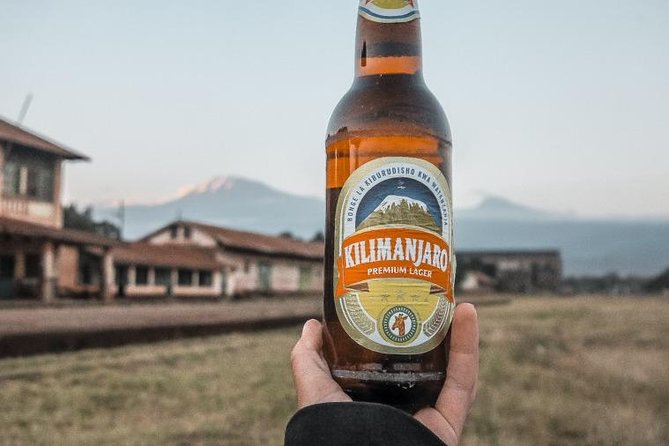
Private tours are often worth the extra cost for simple reasons. You do not have to match another group’s pace, and you can ask questions without waiting for a guide to finish a speech. With this experience, that matters at the market and in the forest, where your interests may shape the quality of the visit.
The group consists only of you and your companions. Private transportation is included, along with the guide’s wage, all fees and taxes, and bottled water. Pickup is offered, and the activity returns to the meeting point in Moshi Urban.
The schedule is listed as about seven to nine hours. That range is helpful because it suggests the day may adjust to traffic, walking speed, market time, and the needs of your group. It also means you should avoid booking a tight connection afterward.
The tour is available Monday through Sunday according to the stated operating information. Confirmation is received at booking. Service animals are allowed, public transportation is nearby, and most people can participate, although the forest walk means you should be ready for outdoor walking.
Accommodation and airport transfers can be arranged for an extra charge. They are not part of the $120 price. Flights, visas, insurance, and personal purchases are also your responsibility.
Who Will Enjoy This Day Most
I would recommend this tour to you if you have a free day in Moshi and want more than a hotel rest day after Kilimanjaro. It works well for people who enjoy local food, modest walking, informal conversation, and a mix of town and nature.
It is also a strong choice for solo visitors. A private guide and driver can make a last-minute day possible, as happened for Michael, who booked late after his plans changed and was still picked up by Frazier and the driver. That kind of flexibility is valuable when mountain plans shift.
Couples and small groups may also find the price reasonable because the private format gives everyone a shared day without strangers in the vehicle. Families should consider the two-hour forest walk and the overall seven to nine-hour duration before booking.
You may want another activity if your priority is a Kilimanjaro summit view with guaranteed clear weather, a dedicated coffee plantation tour, or a challenging hike. Those are not promised here. This is a broad local introduction, not a specialized mountain or coffee excursion.
Booking Advice and Final Verdict
I would book this experience when you want to understand Moshi as a living town rather than simply a place to sleep before a climb. The strongest parts are the private guide, the quiet Rau Forest walk, and the chance to taste and buy local produce at Mbuyuni Market.
The $120 price makes the most sense if you value private transportation and a full day with a local guide. For a larger group, the cost may feel fair. For a solo visitor, it is a personal choice between convenience and budget.
Before you confirm, leave room in your schedule for the full nine hours, wear sensible shoes, and bring money for market purchases. You can cancel for a full refund if you do so at least 24 hours before the start time. Last-minute cancellations or changes are not refunded.
For a relaxed, varied day in Moshi, I would choose it. You get Kilimanjaro context, forest springs, coffee-country perspective, and a real produce market, all without forcing the day into a large group timetable.
FAQ
How long does the Moshi forest and market tour last?
The experience takes approximately seven to nine hours, including the town tour, Rau Forest walk, Mbuyuni Market visit, and transportation.
Where does the tour start and end?
It starts in Moshi Urban, Tanzania, and ends back at the meeting point.
Is hotel pickup included?
Pickup is offered, but the supplied details do not specify individual hotel pickup arrangements. Accommodation arrangements and airport transfers can be organized for an extra charge.
What is included in the $120 price?
The price includes all fees and taxes, bottled water, private transportation, and a professional local guide, including the guide’s wage.
Can I buy food at Mbuyuni Market?
Yes. Mbuyuni Market sells fresh-from-the-farm fruit, vegetables, and local food products. Personal purchases are not included in the tour price.
What is the cancellation policy?
You can cancel at least 24 hours before the start time for a full refund. Cancellations and changes made less than 24 hours before the start time are not accepted for a refund.
More Shopping Tours in Moshi
- Stone Town Private Tour with Slave Market Tickets
★ 5.0 · 13 reviews - Tanzanite experience tour – Tanzanite shopping in Arusha
★ 5.0 · 12 reviews - Arusha: Traditional Tanzania Cooking class& Food Market Tour
★ 4.9 · 12 reviews - Zanzibar:Stone town Street food market walking tour,transfer
★ 4.5 · 9 reviews
Just added in Moshi
- Zanzibar: Stone Town tour and Nakupenda beach with Lunch★ 5.0 · 1 review
- Mt Kilimanjaro 6 days Marangu route hike★ 5.0 · 3 reviews
- machame route★ 5.0 · 16 reviews
- day trip lake manyara★ 5.0 · 2 reviews
- Private Cycle to Kilimanjaro Bike Park Safari★ 5.0 · 6 reviews
- West Kilimanjaro cycling Adventures★ 4.5 · 8 reviews
- Wildlife Extravaganza: Manyara, Tarangire & Ngorongoro in 3 Days★ 5.0 · 3 reviews
- 3 Days Private E-Bike Tour in West Kilimanjaro★ 5.0 · 3 reviews
Walking Tours, compared.

3 Hours Private Stone Town walking Tour with Guide
Read our review →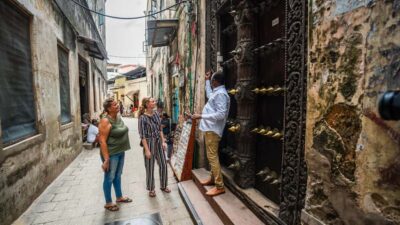
Stone Town Historical Cultural Walking Guided Tour
Read our review →
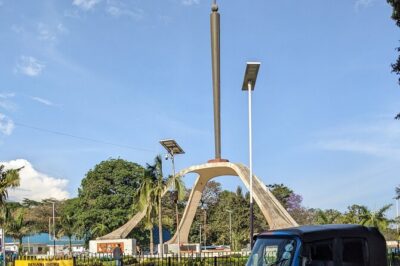
Arusha Guided Walking City Tour, Culture, Lifestyle & History
Read our review →
Browse the lists this tour appears in