
Reviewed · MACHAME ROUTE CLIMBS
Moshi or Arusha: 6-Day Kilimanjaro Trek via Machame Route
Africa’s highest summit demands steady legs. This six-day Machame Route trek takes you from Moshi or Arusha through rainforest, moorland, volcanic rock, alpine desert, and finally the icy upper slopes of Kilimanjaro. I like the route’s changing scenery and the careful climb high, sleep lower pattern, especially on the Lava Tower to Barranco day.
I also like that the package includes a professional mountain guide, meals, drinking water, transport, camping equipment, and a sleeping mattress. Those inclusions matter on a mountain trip. The main caution is the price: $900 per person does not include national park fees, travel insurance, or alcoholic drinks. Ask for the full final cost before paying.
In This Review
- Key points to know before you book
- What the six-day Machame Route is really like
- Day 1: Machame Gate to Machame Camp
- Day 2: Moorland and the Shira Plateau
- Day 3: Lava Tower and the Barranco Valley
- Day 4: The Barranco Wall and Barafu Camp
- Day 5: Uhuru Peak and the long descent
- Day 6: Mweka Camp to the gate
- What is included for $900
- What you need to bring
- Safety, guide support, and the altitude question
- Who should choose this trek?
- Booking value and final advice
- FAQ
- Where does the Kilimanjaro trek begin?
- How long is the trek?
- How high is Uhuru Peak?
- How long is the summit day?
- Are national park fees included?
- What accommodation is provided?
- Are meals and drinking water included?
- What languages are available?
Key points to know before you book
- The route crosses several climate zones: You move from thick rainforest to moorland, semi-desert, alpine desert, and an arctic summit zone.
- Day 3 is the acclimatization day: You climb to 4,630 meters at Lava Tower, then sleep lower at Barranco Camp.
- Summit day is long: Expect 11 to 14 hours of hiking, including the climb to Uhuru Peak and the descent to Mweka Camp.
- The Barranco Wall is a real feature: Day 4 includes a steep climb before the trail continues toward Barafu Camp.
- The $900 price is not the complete trip cost: National park fees are extra, so confirm the final amount in writing.
- The package is practical but basic: Meals, water, a guide, equipment, and a mattress are included, while you must bring personal clothing and a sleeping bag.
What the six-day Machame Route is really like
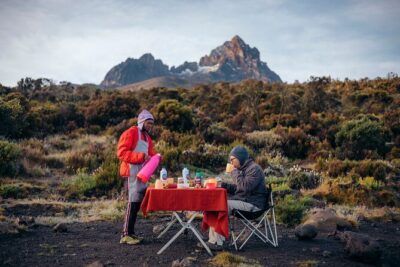
The Machame Route is often chosen for its variety. You do not spend six days looking at the same type of ground. The route begins in a forest full of tall trees and ferns, climbs through open moorland, crosses volcanic terrain, and reaches a stark upper zone where the air is thin and the vegetation almost disappears.
That variety is more than scenery. It gives the trek a strong rhythm. The first days offer gradual altitude gain, Day 3 lets you climb high before sleeping lower, and Day 4 brings you to the summit base camp. The final climb is still hard, but the plan gives your body a chance to adjust.
You should also understand the pace. This is not a quick sightseeing walk. The itinerary includes several days of four to eight hours on foot, followed by a summit day of up to 14 hours. A slow, steady approach is essential. You will hear the phrase pole pole, meaning slowly, often used on Kilimanjaro, and it is sound advice even though no specific guide name is provided here.
More Kilimanjaro climbs:
- Kilimanjaro climb by Lemosho Route (7-day)
★ 5.0 · 651 reviews - Kilimanjaro climb, Machame Route (7-day)
★ 5.0 · 262 reviews - Kilimanjaro Climbing Lemosho Route 8 Days.
★ 5.0 · 186 reviews
Day 1: Machame Gate to Machame Camp
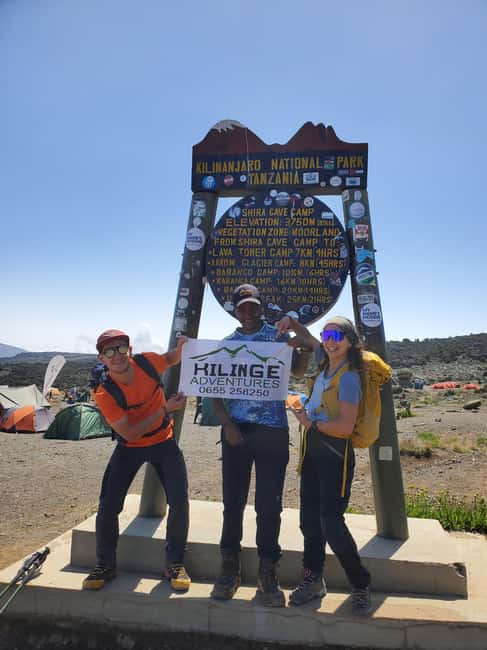
Your trip begins with breakfast, followed by a drive from Moshi or Arusha to Machame Gate. The stated transfer is from a Moshi hotel to the gate, so if you are staying in Arusha, confirm exactly where pickup takes place and how long the transfer will be.
At the gate, you register before starting the trek. The first section runs through Kilimanjaro’s rainforest zone, from about 1,800 meters to 3,000 meters. The distance is 11 kilometers, with five to seven hours of hiking.
This is a full first day, but the rainforest provides shade and plenty to look at. Expect towering trees, ferns, and the possibility of seeing wildlife. The trail introduces you to the mountain without throwing you straight into its harshest conditions.
Machame Camp arrives in the late afternoon. The climb is substantial, so do not treat the first day as a gentle warm-up. Keep your daypack light, carry water where it is easy to reach, and keep a jacket handy for the cooler evening.
Day 2: Moorland and the Shira Plateau
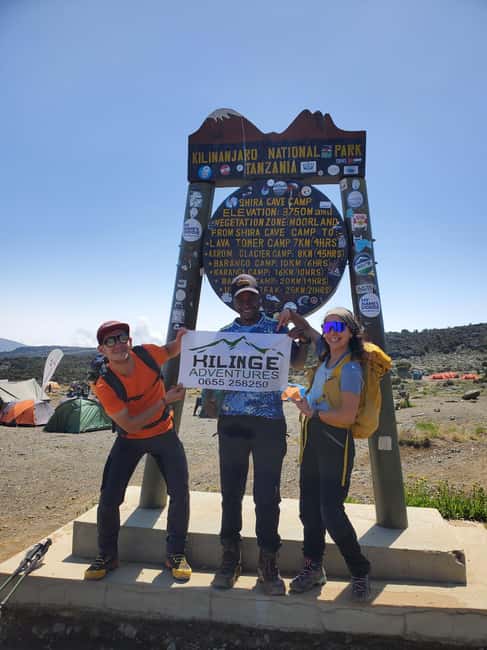
Day 2 covers only five kilometers, but the altitude rises from 3,000 to 3,840 meters. Hiking takes four to six hours, and the rainforest gives way to moorland.
The trail becomes steeper and rockier here. The trees thin out, opening broad views toward Kibo Peak, the main summit cone of Kilimanjaro. Shira Camp sits on the Shira Plateau, so this night brings your first real sense of high-altitude exposure.
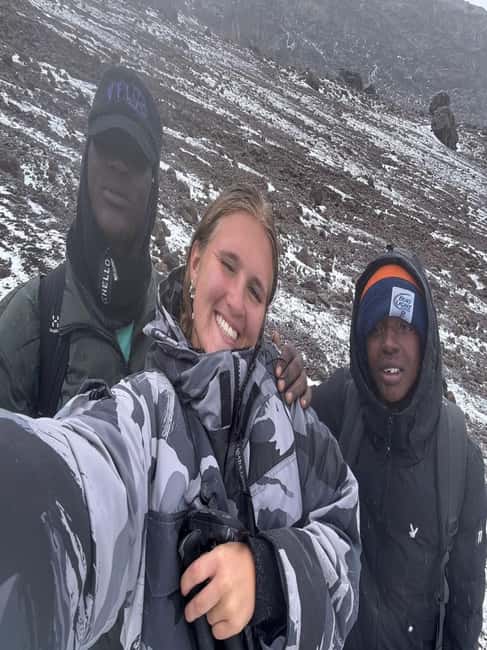
I like this day because the shorter distance gives you time to walk carefully and watch how your body responds. A headache, unusual tiredness, or nausea should not be ignored. Tell your guide promptly if you feel unwell. The itinerary is designed around safety, but good safety also depends on honest communication.
The moorland can feel stark after the forest. You may see giant plants and open volcanic ground rather than dense greenery. Bring your jacket and gloves in your daypack, even if the morning begins warm.
Day 3: Lava Tower and the Barranco Valley
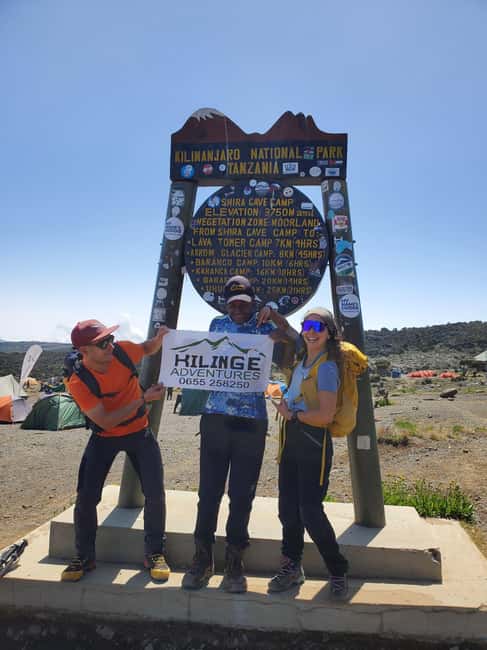
Day 3 is the route’s most important acclimatization day. You hike from Shira Camp at 3,840 meters up to Lava Tower at 4,630 meters, then descend to Barranco Camp at 3,960 meters.
The total distance is 10 kilometers, and hiking takes six to eight hours. The habitat is semi-desert, with bare volcanic ground and wide views. Lava Tower is a high point on the route, but it is not the summit. Its value is physiological: you spend time higher up, then sleep at a lower elevation.
This climb-high, sleep-lower pattern is one of the best features of the six-day plan. It cannot remove the risk of altitude sickness, but it gives your body useful exposure before the summit push. You should walk slowly and avoid wasting energy on the way up.
The descent to Barranco Camp changes the mood. The Barranco Valley is known for its giant groundsels and dramatic views. After a demanding day, the lower camp should feel like a relief, though the altitude remains serious. Keep warm, eat what you can, and drink the supplied water regularly.
More Machame Route climbs:
- Climbing Kilimanjaro – Machame Route
★ 5.0 · 170 reviews - Climbing Kilimanjaro through 7 days Machame Route
★ 5.0 · 151 reviews - 7 Days Kilimanjaro via Machame route affordable price
★ 5.0 · 110 reviews - #1. Best Kilimanjaro Day hike Tour-Machame Route-ISMANI
★ 4.2 · 47 reviews
Day 4: The Barranco Wall and Barafu Camp
Day 4 covers nine kilometers and takes eight to ten hours. You climb from Barranco Camp at 3,960 meters to Barafu Camp at 4,640 meters, passing through alpine desert.
The day begins with the Barranco Wall, the route’s most obvious physical challenge before the summit. It is a steep climb over rocky ground, followed by several valleys and ridges. The trail then reaches Karanga Camp for a short rest before continuing to Barafu.
The itinerary does not list an overnight stay at Karanga. Think of it as a stopping point rather than a separate night. The continued climb to Barafu makes this a tiring day, especially after the previous day’s Lava Tower section.
Barafu Camp is the summit base camp. You prepare for the midnight start here, so use the evening to organize your headlamp, warm layers, snacks, gloves, water, and any personal medication. You will need to rest as much as possible, even if excitement makes sleep difficult.
The supplied packing list includes a flashlight, but a headlamp is generally more practical for a midnight climb. Since only a flashlight is specified, ask the provider if a headlamp is supplied or bring your own.
Day 5: Uhuru Peak and the long descent
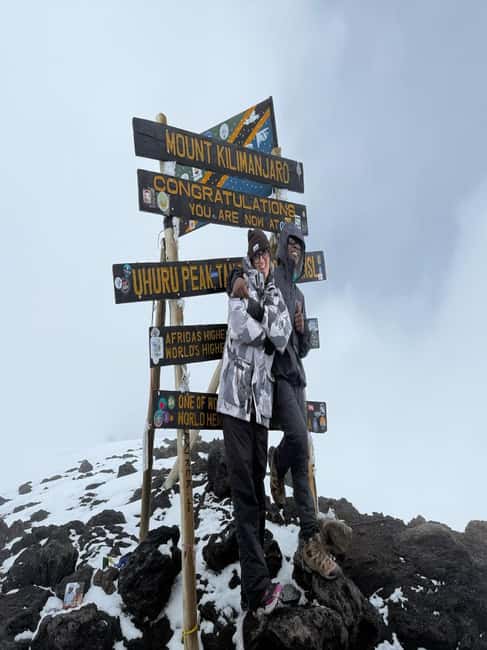
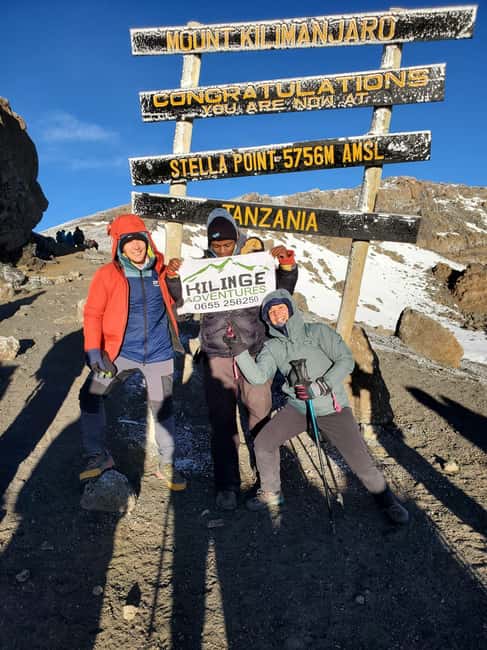
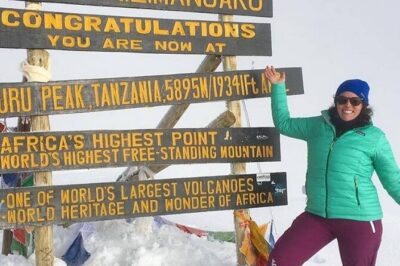
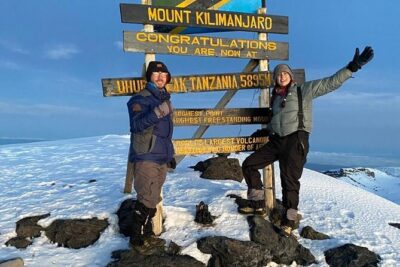
Summit day begins around midnight. You climb from Barafu Camp at 4,640 meters toward Stella Point at 5,756 meters, then continue to Uhuru Peak at 5,895 meters.
The full day covers 17 kilometers and takes 11 to 14 hours. The habitat shifts from alpine desert to an arctic summit zone, then all the way down toward rainforest. This is the hardest part of the trip, not simply because of distance, but because of darkness, cold, altitude, and limited rest.
Stella Point is a major checkpoint on the crater rim. From there, Uhuru Peak is still ahead, and the terrain remains demanding. The reward is reaching the highest point in Africa and seeing the broad upper slopes of Kilimanjaro.
After time at the summit, you descend to Barafu Camp for lunch and a rest. That break is welcome, but the day is not finished. You continue down to Mweka Camp at 3,080 meters for the night.
This descent is easy to underestimate. Going down can be hard on knees and feet, especially after the summit climb. Use trekking poles if you bring them, keep your pace controlled, and protect your toes with well-fitting hiking shoes and socks.
Day 6: Mweka Camp to the gate
The final day is a 10-kilometer descent from Mweka Camp at 3,080 meters to Mweka Gate at 1,640 meters. The walk takes three to four hours and returns you to the rainforest.
After the exposed upper mountain, the trees and warmer air should feel welcome. The descent is shorter than the previous day, but tired legs can make even a moderate walk feel long. Keep your footwear tied securely and take care on wet or uneven ground.
At Mweka Gate, you collect your summit certificates. The trip then ends with transport back to Moshi or Arusha for a celebratory rest. This final transfer is useful because you will likely want a shower, a proper bed, and a quiet meal after the summit effort.
What is included for $900
At $900 per person, the package includes several major practical items:
- Accommodation huts
- A professional mountain guide
- Transfer from a Moshi hotel to the gate
- Transportation
- Meals
- Drinking water
- Camping equipment
- A sleeping mattress
That is a useful collection of services for a six-day mountain trip. Having a guide and organized transport removes some of the planning burden. Meals and water are also important because carrying and arranging mountain supplies can be difficult.
Still, do not assume $900 is the final price. National park fees are excluded, and those can make a major difference to your overall budget. Travel insurance is also your responsibility. Alcoholic drinks are not included, though that is hardly a priority on summit day.
There is a small point worth clarifying before booking. The package lists accommodation huts and camping equipment together. Ask what type of sleeping arrangement you will have each night and exactly what equipment is supplied. The listing specifically includes a mattress, but it also asks you to bring a sleeping bag.
What you need to bring
The recommended gear list is sensible for a high-altitude trek. You should bring:
- A hat and headscarf
- Snacks
- Hiking shoes
- A jacket
- Gloves
- A sleeping bag
- Warm socks
- A flashlight
- A daypack
- Hiking pants
- Trekking gear
- A power bank
The list includes both a jacket and gloves because temperatures change sharply as you climb. Rainforest conditions on Day 1 are very different from the cold, exposed summit zone on Day 5.
Snacks deserve special attention. The included meals cover the main food arrangements, but small personal snacks can help during long walking hours. Keep them in your daypack rather than buried in larger luggage.
Your power bank is useful because the itinerary does not promise charging facilities. A flashlight is required for the midnight start, and you should make sure it works before leaving Barafu Camp.
Safety, guide support, and the altitude question
The trip is described as placing strong attention on safety and personal care. A professional mountain guide is included, which is essential on a route with major altitude changes and a long summit day.
The itinerary itself also includes sensible acclimatization planning. Day 3 takes you to Lava Tower and then down to Barranco Camp, while the following day continues gradually to Barafu. These choices help, but no itinerary guarantees a summit.
You should tell the guide about any symptoms at once. The most important rule is not to hide how you feel in order to reach Uhuru Peak. A summit attempt is a serious physical challenge, and turning back can be the correct decision.
The six-day schedule suits someone who wants a relatively direct climb with a strong route profile, but it is not the easiest possible Kilimanjaro plan. You should be comfortable walking for many hours, sleeping at altitude, and handling a midnight start.
Who should choose this trek?
I would recommend this trip to you if you want Kilimanjaro’s major scenery in a compact six-day schedule. It suits active hikers who value a guide, organized meals, transport, and equipment rather than arranging every part independently.
It is also a good match if you enjoy changing terrain. The rainforest, Shira Plateau, Lava Tower, giant groundsels, Barranco Wall, and summit zone each give the climb a different feel.
I would be more cautious if you want a relaxed mountain holiday. The 17-kilometer summit day and the 11 to 14 hours of walking make this a demanding trip. You should also think twice if you need a fully all-inclusive price, since park fees and insurance are extra.
The experience has a 5 rating, but that rating comes from only one review. Take it as an encouraging sign, not a broad measure of long-term service. Before booking, confirm the guide-to-group arrangement, the exact park fee total, the pickup plan from Arusha, and the sleeping setup.
Booking value and final advice
At first glance, $900 looks attractive for six days of guided trekking with meals, water, transport, equipment, and a mattress. The value depends on what the extra national park fees add to the final bill and what the phrase camping equipment covers.
You can reserve now and pay later, which keeps your plans flexible. Cancellation is available up to 24 hours before the start for a full refund. Those terms are useful, but they do not replace travel insurance, which is not included.
Book this trek if you want a scenic, structured Kilimanjaro climb and you accept a tough summit schedule. Before committing, get the full price and equipment details in writing. If the added park fees fit your budget and you are prepared for the long summit day, the Machame Route offers a strong mix of scenery, acclimatization, and mountain challenge.
FAQ
Where does the Kilimanjaro trek begin?
The trip departs from Moshi or Arusha. The included transfer is specifically described as transport from a Moshi hotel to the gate, so confirm the pickup details if you are staying in Arusha.
How long is the trek?
The trek lasts six days. It begins at Machame Gate and ends at Mweka Gate, followed by transport back to Moshi or Arusha.
How high is Uhuru Peak?
Uhuru Peak reaches 5,895 meters, or 19,341 feet. It is the highest point on Mount Kilimanjaro and the summit reached on Day 5.
How long is the summit day?
Day 5 takes about 11 to 14 hours of hiking. The route runs from Barafu Camp to Uhuru Peak, back toward Barafu Camp for lunch and rest, and then onward to Mweka Camp.
Are national park fees included?
No. National park fees are not included in the $900 price. You should confirm the additional amount before booking.
What accommodation is provided?
Accommodation huts are listed as included. Camping equipment and a sleeping mattress are also included, while you are asked to bring your own sleeping bag. Ask the provider to clarify the exact sleeping setup.
Are meals and drinking water included?
Yes. Meals and drinking water are included in the trip price.
What languages are available?
English is listed as the available language for the experience.
More Treks in Moshi
- Private Kilimanjaro Hike 7 Day Lemosho Route
★ 5.0 · 60 reviews - Best Kilimanjaro hiking day trip tour with Kilinge Adventures
★ 4.5 · 54 reviews - Best Kilimanjaro Adventure 7 days Machame route Trekking
★ 5.0 · 42 reviews - Kilimanjaro 7 Day Private Trekking Experience
★ 5.0 · 40 reviews
Just added in Moshi
- THE BEST 2 DAYS ON TREK – MARANGU ROUTE TOUR ADVENTURES★ 5.0 · 1 review
- Mount Kilimanjaro National Park Day Trip★ 5.0 · 7 reviews
- Mount Kilimanjaro Climbing in Tanzania Full-Day Trip★ 5.0 · 1 review
- Mount Kilimanjaro Day Hike – All-Inclusive, No Hidden Fees★ 4.0 · 7 reviews
- Mount Kilimanjaro Trekking Tour – Climb with Local Guides★ 5.0 · 1 review
- Mount Kilimanjaro: 7 Days Hike Lemosho Route★ 5.0 · 1 review
- Moshi:Chemka Hot Springs, Materuni Waterfalls & Coffee Tour★ 5.0 · 1 review
- Moshi Town: Walking Tour: Theme Urban lifestyle★ 3.1 · 4 reviews
Machame Route Climbs, compared.
Climbing Kilimanjaro through 7 days Machame Route
Read our review →
7-Day Machame Kilimanjaro Summit Tour from Arusha
Read our review →
7 Days Kilimanjaro via Machame route affordable price
Read our review →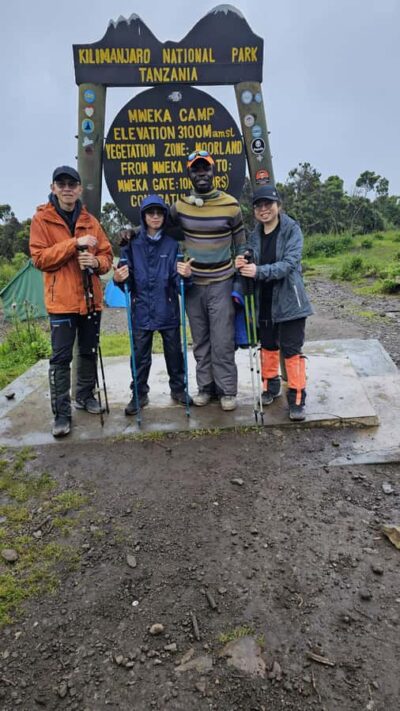
#1. Best Kilimanjaro Day hike Tour-Machame Route-ISMANI
Read our review →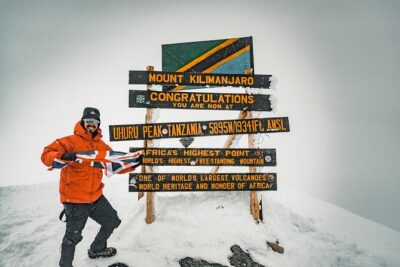
The Best of Machame Route in 6 Days: Your World’s Summit Guide
Read our review →Browse the lists this tour appears in