
Reviewed · LEMOSHO ROUTE CLIMBS
Mount Kilimanjaro: 7 Days Hike Lemosho Route
Kilimanjaro saves its hardest lesson for sunrise. This seven-day Lemosho trek earns its appeal through forest trails, the wide Shira Plateau, alpine desert, and a summit push timed for Uhuru Peak at dawn. I especially like the gradual route profile and the built-in climb to Lava Tower before descending to Barranco, both useful for altitude adjustment. I also like that the $1,960 price covers park fees, tents, meals, guides, porters, rescue fees, airport transfers, and two nights in a Moshi hotel.
The main consideration is the final summit day. You leave Barafu Camp around midnight, climb through the cold and darkness to 5,895 meters, then descend to Mweka Camp the same day. That is a serious physical test, even with good acclimatization. You should also confirm the wheelchair policy before booking, since the details describe the activity as wheelchair accessible but also say it is not suitable for wheelchair users.
In This Review
- Key points to know before booking
- Why the Lemosho Route is a strong choice
- Day 1: Londorossi Gate to Mti Mkubwa Camp
- Day 2: Mti Mkubwa to Shira Camp 2
- Day 3: Shira Camp 2 to Barranco via Lava Tower
- Day 4: Barranco Wall to Karanga Camp
- Day 5: Karanga Camp to Barafu Camp
- Day 6: Midnight summit attempt and descent to Mweka
- Day 7: Mweka Camp to Mweka Gate
- What the $1,960 price really covers
- Food, crew care, and the human side of the climb
- Who should choose this seven-day climb?
- Should you book the Lemosho Route with Nafika Tours?
- FAQ
- How long is the Kilimanjaro Lemosho Route experience?
- What is the highest point reached?
- Is the summit climb really at midnight?
- What meals are included?
- What accommodation is included?
- Is airport transportation included?
- What costs are not included?
Key points to know before booking
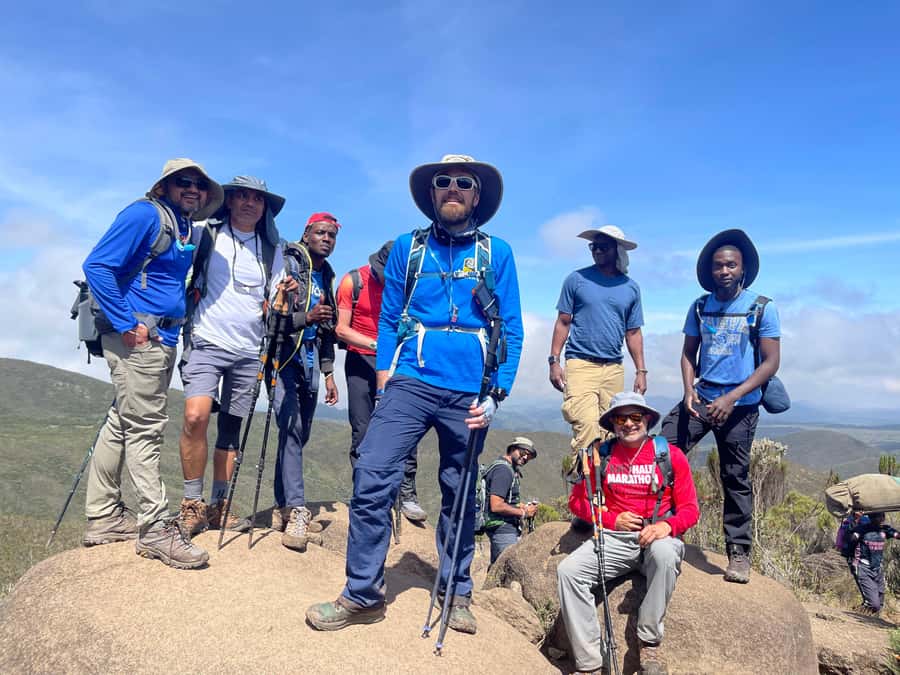
- Lemosho gives you Kilimanjaro’s biggest change in scenery: You move from rainforest to moorland, open plateau, high desert, and rocky summit country.
- The Lava Tower day is the route’s smart acclimatization feature: You climb to 4,600 meters, then sleep lower at Barranco Camp.
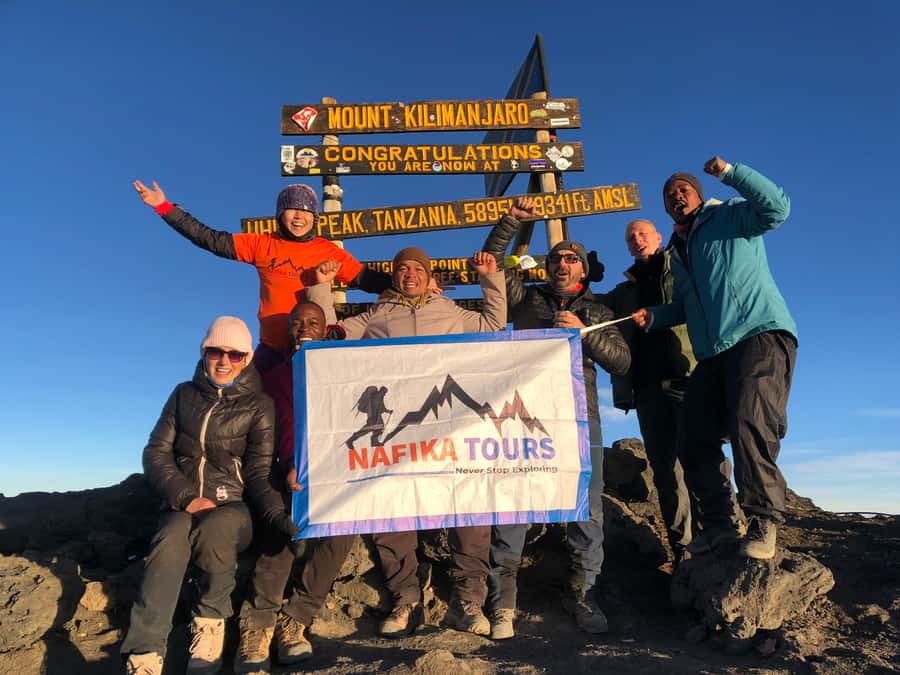
- The summit begins at midnight: Expect a slow, cold climb to Stella Point and Uhuru Peak, with sunrise as the reward.
- The price covers more than the hike itself: Hotel nights, airport transport, park charges, mountain meals, tents, rescue fees, and treated water are included.
- Guide and crew support matters: Walter and Max guide the climb, while the mountain crew handles camp needs and carries supplies.
- Personal service can be a real advantage: Nafika Tours director Elias helped one climber recover delayed baggage and sent medicine and clothing to camp.
Why the Lemosho Route is a strong choice
Lemosho is popular for two practical reasons: scenery and time. Instead of beginning high on a bare slope, you start at Londorossi Gate and walk through the rainforest. The route then changes zone by zone, giving your body time to adjust as the trail rises.
This seven-day plan is not a sightseeing walk with a mountain in the background. You spend long hours on foot, sleep in tents, and climb to an altitude where ordinary tasks become tiring. Still, the schedule uses a sensible pattern: climb higher to Lava Tower, descend to Barranco, then continue upward in stages.
The route reaches 5,895 meters at Uhuru Peak. That number matters more than the total distance. Altitude affects people differently, and fitness alone does not guarantee an easy summit. The included pulse oximeter, first aid kit, emergency oxygen, rescue fees, and trained mountain crew offer useful support, but they do not remove the risks of high altitude.
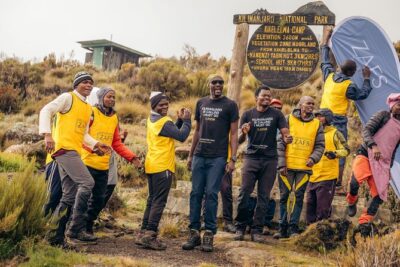
Your guides are Walter and Max. Their role is more than pointing out the path. They provide information about local plants, wildlife, nature, and culture, which gives the long walking days more meaning. The supplied details also praise the food service, with the chef adjusting cooking style and ingredients to suit personal preferences. That kind of flexibility is valuable when your appetite changes at altitude.
More Kilimanjaro climbs:
- Kilimanjaro climb by Lemosho Route (7-day)
★ 5.0 · 651 reviews - Kilimanjaro climb, Machame Route (7-day)
★ 5.0 · 262 reviews - Kilimanjaro Climbing Lemosho Route 8 Days.
★ 5.0 · 186 reviews
Day 1: Londorossi Gate to Mti Mkubwa Camp
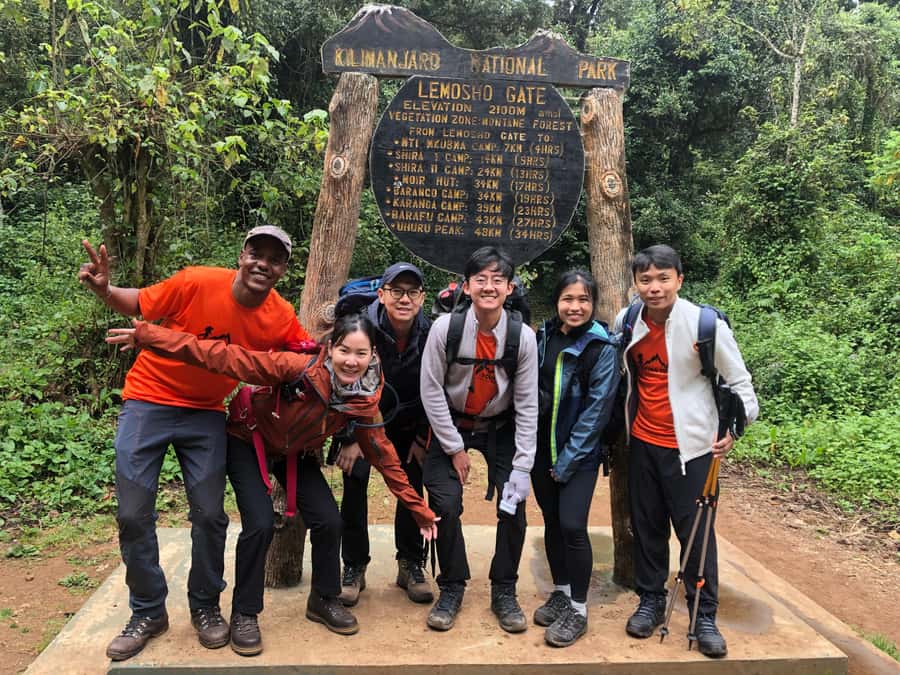
The trek begins at Londorossi Gate, at about 2,100 meters. After registration, you ride through the rainforest toward the trailhead, then start walking beneath thick vegetation.
This is one of the most pleasant sections of the route. The forest is lush, and you may spot wildlife and unusual plants along the way. The walking is not yet about dramatic summit views. It is about settling into a steady pace, meeting your crew, and getting used to the rhythm of hiking, eating, and camping.
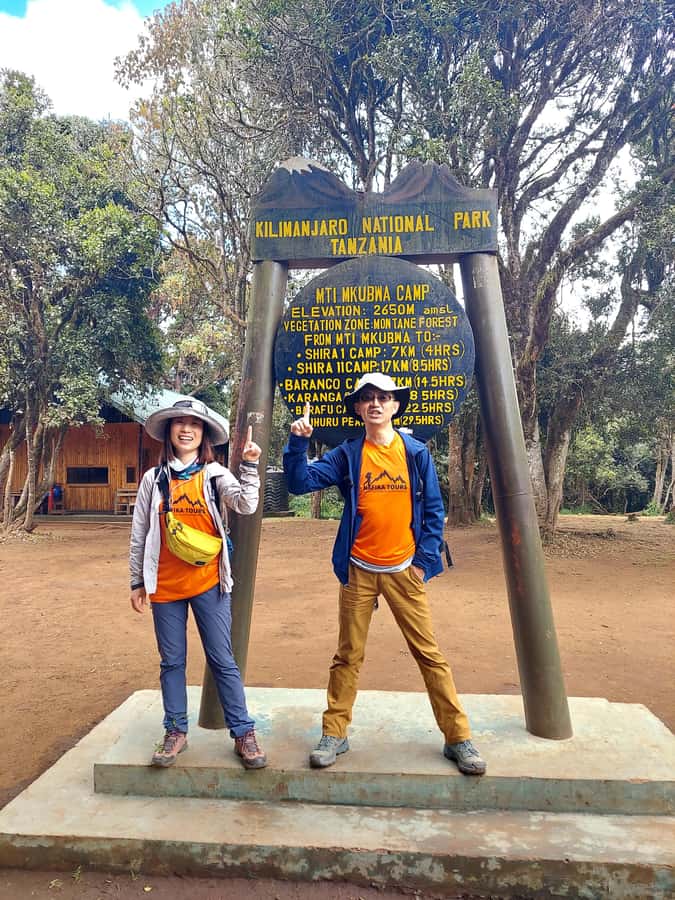
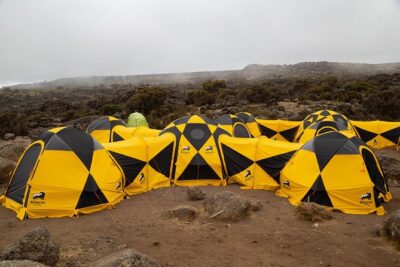
Mti Mkubwa Camp sits at about 2,750 meters. The first night is a useful test of your equipment. You will want comfortable clothing, a warm sleeping bag, gloves, and footwear that is already broken in. The tour includes mountain tents and sleeping mats, but you still need to bring suitable personal gear.
Breakfast, lunch, and dinner are included. That is important on a route where carrying enough food would add weight and where a hot meal can make the evening far easier.
Day 2: Mti Mkubwa to Shira Camp 2
The trail leaves the forest and enters moorland. You notice the change in vegetation first, then the views open toward the Shira Plateau and Kilimanjaro’s upper peaks.
Shira Camp 2 is at approximately 3,850 meters. The route across the plateau is described as gentle, but the altitude makes the day more demanding than the walking distance alone suggests. Keep your pace slow. There is no prize for reaching camp early if you arrive exhausted.
This is a good day for learning how your body reacts. Headaches, poor sleep, and reduced appetite can occur at altitude, so tell your guide how you feel rather than trying to hide symptoms. The gradual gain from 2,750 to 3,850 meters is part of the route’s acclimatization plan.
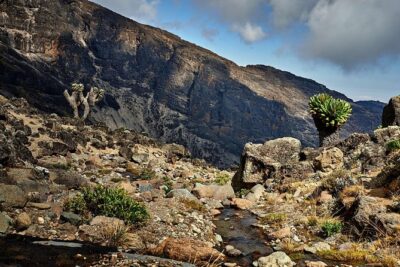
The Shira Plateau also gives you one of the trip’s best visual changes. The forest feels enclosed and humid. Here, the terrain is open, broad, and exposed, with long views across the mountain’s upper slopes.
Day 3: Shira Camp 2 to Barranco via Lava Tower
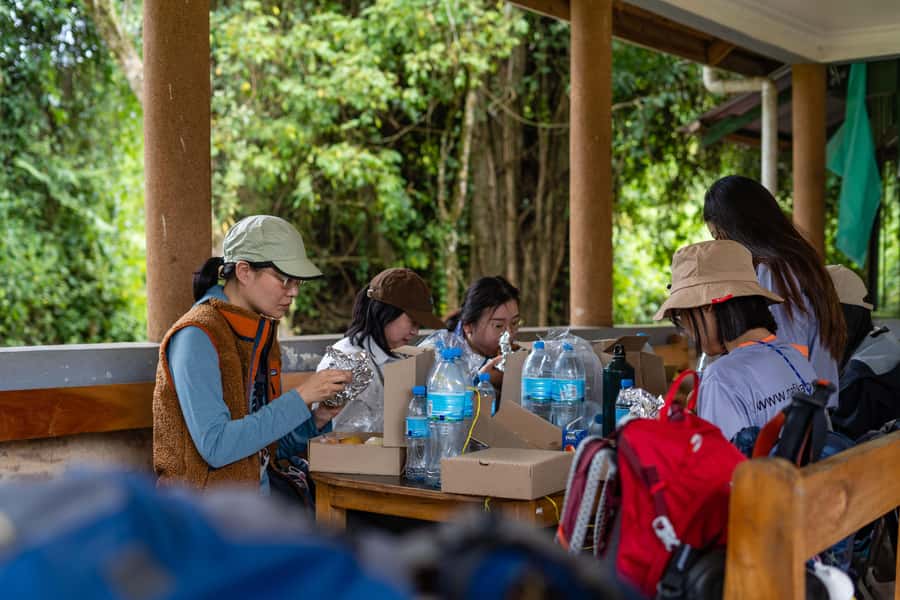
Day three is the key altitude-adjustment day. You climb from Shira Camp 2 to Lava Tower at about 4,600 meters, then descend to Barranco Camp at roughly 3,960 meters.
This is the classic climb-high, sleep-lower idea. You gain altitude during the day without spending the night at the highest point reached. It can feel strange to work hard uphill only to lose height later, but this is one of the most useful parts of the schedule.
Lava Tower also marks a clear shift into alpine desert. Trees disappear, the air feels thinner, and the surroundings become more stark. You should keep layers close because temperatures and wind can change quickly.
The descent to Barranco Valley brings relief, but it does not make the day easy. This is one of the longer and more tiring walking days, and the combination of altitude and uneven ground can test your legs. At Barranco Camp, you get dramatic views of the valley and the mountain walls around it.
More Lemosho Route climbs:
- Kilimanjaro climb, Lemosho Route (8-day)
★ 5.0 · 148 reviews - Kilimanjaro climb, Lemosho Route (6-day)
★ 5.0 · 129 reviews - Kilimanjaro Lemosho Route
★ 5.0 · 71 reviews - Private Kilimanjaro Hike 7 Day Lemosho Route
★ 5.0 · 60 reviews
Day 4: Barranco Wall to Karanga Camp
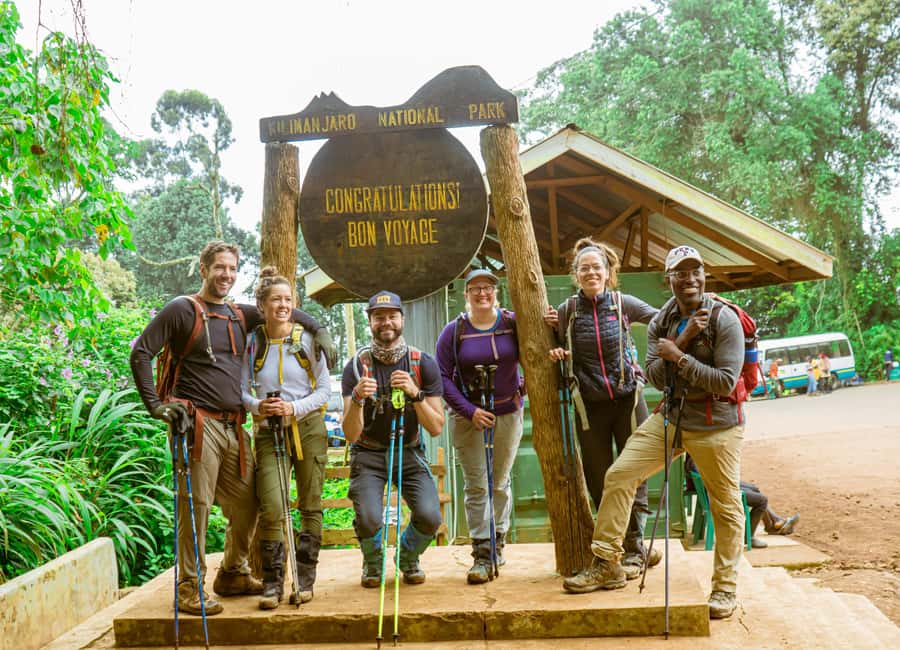
The morning begins with the Barranco Wall. It looks steep, but the climb is described as non-technical. You do not need mountaineering skills, though you should expect a hands-on, careful ascent in places.
This section rewards patience. The trail rises and falls across valleys and ridges, so the day is not a simple straight climb. The repeated changes in height can be tiring, especially after the Lava Tower day.
Karanga Camp lies at about 4,035 meters in the alpine desert zone. The camp is only modestly higher than Barranco, which gives your body another chance to adjust instead of forcing a large overnight altitude jump.
By now, your daily routine should feel familiar: walk slowly, drink treated water, eat even if your appetite is weak, and follow your guide’s advice. Treated drinking water is included throughout the trek, so you do not need to plan for every day’s supply yourself.
Day 5: Karanga Camp to Barafu Camp
The route climbs steadily from Karanga to Barafu Camp, at approximately 4,673 meters. The vegetation is sparse, and the summit route becomes easier to see.
Barafu is the final base camp before Uhuru Peak. The day is shorter than the summit day, but it is not a day to spend casually exploring. Your main task is to rest, eat, organize your clothing, and prepare your small summit pack.
You need warm layers, gloves, comfortable hiking pants, and reliable climbing gear. The supplied packing advice also calls for hand sanitizer or tissues, which are simple items but useful during a multi-day camp routine.
The camp’s altitude can make resting difficult. Try to sleep, even if it is not deep. Your midnight departure comes soon, and the final ascent will demand concentration as much as strength.
Day 6: Midnight summit attempt and descent to Mweka
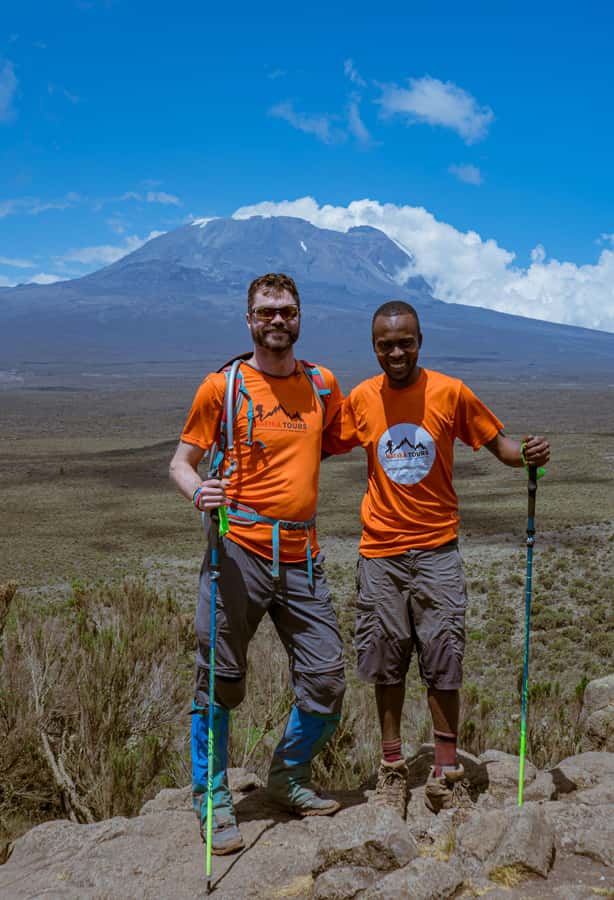
This is the hardest day by far. You leave Barafu Camp around midnight and climb under the stars toward Stella Point, then continue to Uhuru Peak at 5,895 meters.
The pace is slow. The cold, darkness, thin air, and steep path combine into a demanding few hours. Your guide sets the rhythm, and the mountain crew helps with camp and equipment. One particularly useful detail is that Walter and the camp manager carried a climber’s day bag on summit day, making the climb easier. You should not assume this service is automatic for every person, so ask the operator what support is available for your group.
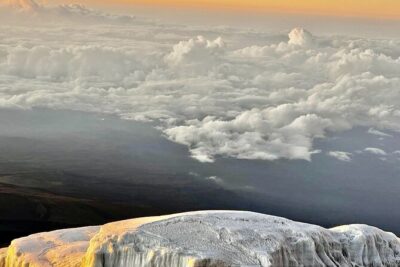
Reaching Stella Point is a major achievement, but Uhuru Peak is still ahead. The final section can feel long because of the altitude. Sunrise at the summit is the great payoff: you can celebrate, take photographs, and look across the high volcanic terrain before beginning the descent.
The descent to Mweka Camp, at about 3,100 meters, happens on the same day. That means the summit is not the end of the work. Your knees and feet may be more uncomfortable on the way down than during the climb up. Take care, drink water, and keep your pace controlled.
The tour includes breakfast, lunch, and dinner on this demanding day. A reliable meal plan matters here because you need energy before the summit and food after the descent.
Day 7: Mweka Camp to Mweka Gate
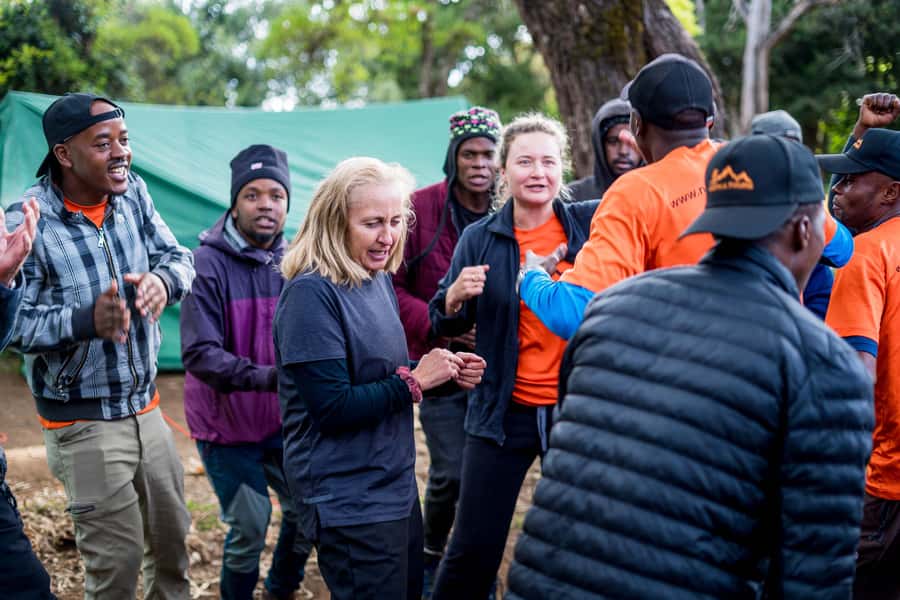
The final walk takes about three hours and covers approximately 10 kilometers through montane forest. After the dry, exposed upper mountain, the return to trees feels like a change of world.
At Mweka Gate, you complete park formalities and receive a certificate. The vehicle then takes you back to your hotel in Moshi for a warm shower and a proper celebration.
Two nights in Moshi are included on a bed-and-breakfast basis. Airport transfers to and from Kilimanjaro International Airport are also included, which removes two awkward transport tasks at the beginning and end of the trip. At the airport, look for a driver holding a sign with your name or the tour company name and logo. The driver is scheduled to be there before your arrival time.
What the $1,960 price really covers
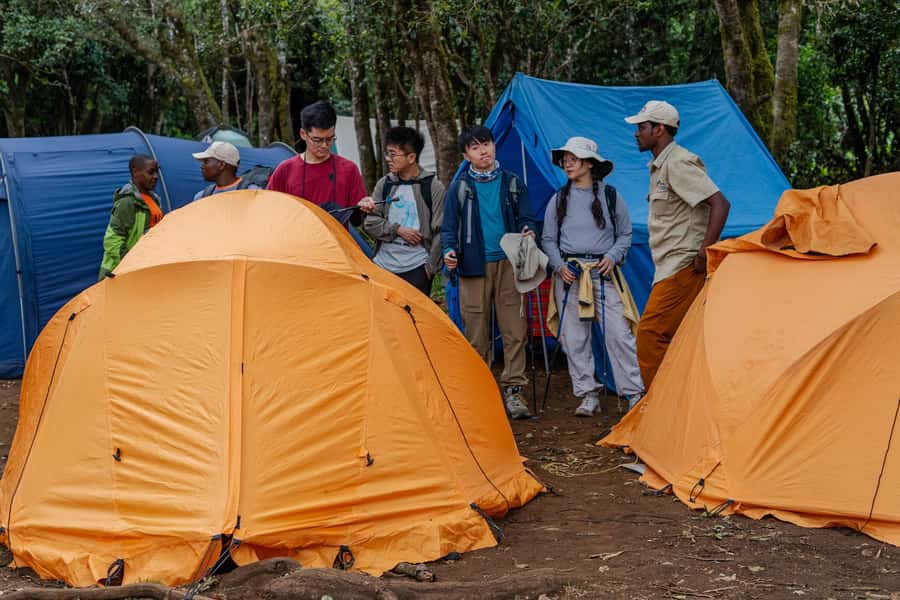
At $1,960 per person, the value depends on what you would otherwise need to arrange separately. This is not simply a guide and a trail permit. The package includes:
- Two Moshi hotel nights with breakfast
- Private airport transfers
- National Park fees
- Mountain tents and camping accommodation
- Breakfast, lunch, and dinner on the mountain
- Qualified guides and mountain crew
- Guide and porter park entry and accommodation fees
- Rescue fees
- Treated drinking water
- Sleeping mats
- Pulse oximeter
- First aid kit and emergency oxygen
- Transport connected with the climb
- 18 percent VAT on tour fees and services
Fair wages for guides and porters are also included according to the stated Kilimanjaro National Park authority standards. That is an important point. A low price is not a bargain if it depends on poor treatment of the people carrying equipment and running camp.
You still pay for flights, a Tanzanian visa, and travel insurance. Insurance should specifically cover high-altitude trekking and medical evacuation. A normal holiday policy may not cover a climb to 5,895 meters.
Food, crew care, and the human side of the climb
The mountain scenery gets the attention, but crew support often decides how manageable the week feels. You eat three meals a day on the mountain, and the chef can adjust cooking style and ingredients to personal preferences.
That matters because appetite can change as you gain altitude. If you have dietary needs or strong food preferences, explain them before departure and again to the crew.
Nafika Tours also showed practical support when one climber’s airline baggage failed to arrive. Elias, the company director, helped contact the baggage service and hotel, then arranged for medicine and clothing to be sent to camp on the fourth day. You should not treat this as a guaranteed airline-recovery service, but it shows the value of having an operator who responds when travel plans go wrong.
Guides Walter and Max were praised for their experience with the mountain, local nature, and culture. That combination makes the route more than a physical challenge. You get useful context during the quieter walking hours, when the trail itself can become repetitive.
Who should choose this seven-day climb?
I would recommend it to a fit hiker who wants Kilimanjaro’s varied scenery and prefers a route with a clear acclimatization structure. It suits you if you can handle several consecutive days on foot, basic camping, cold conditions, and a midnight summit attempt.
It is less suitable if you want a relaxed holiday, dislike camping, or expect the guide to do all the work. You must prepare physically, get medical clearance if you have existing health concerns, and bring proper waterproof boots, layered clothing, gloves, hiking pants, climbing gear, and a suitable sleeping bag.
The route information says seven to nine days is ideal for acclimatization, while Lemosho itself can take seven or eight days. This seven-day schedule includes important altitude work, but you should ask whether an eight-day version is available if you prefer a slower pace.
The activity is described as available with small groups and multilingual guide or audio-guide options. English, French, German, Spanish, Italian, Chinese, Arabic, Japanese, Portuguese, Russian, and several other languages are listed. Confirm the exact language and guide arrangement before paying, since a long mountain trip is easier when safety instructions are fully clear.
Should you book the Lemosho Route with Nafika Tours?
Book it if you want a well-supported Kilimanjaro climb with strong scenery, a structured altitude plan, and many major costs already handled. The combination of the Shira Plateau, Lava Tower, Barranco Wall, alpine desert, and sunrise at Uhuru Peak gives you a varied week rather than a single repetitive uphill trail.
Before booking, confirm the exact group size, the wheelchair policy, the available guide language, the sleeping bag requirements, and whether you can choose an eight-day schedule. If you are physically prepared and accept the hard summit day, $1,960 looks like a solid package value. If your priority is comfort or a gentle pace, choose a longer itinerary or a different kind of Tanzania holiday.
FAQ
How long is the Kilimanjaro Lemosho Route experience?
The scheduled hike lasts seven days. The Lemosho route can also be arranged over eight days, and the provided guidance says seven to nine days is ideal for acclimatization.
What is the highest point reached?
The summit is Uhuru Peak at 5,895 meters. The route also climbs to Lava Tower at approximately 4,600 meters on day three.
Is the summit climb really at midnight?
Yes. The summit attempt leaves Barafu Camp around midnight, continues to Stella Point and Uhuru Peak, and aims to reach the summit around sunrise.
What meals are included?
Breakfast, lunch, and dinner are included throughout the mountain trek. Two nights in Moshi include bed and breakfast.
What accommodation is included?
The package includes two hotel nights in Moshi and all camping accommodation on the mountain. Mountain tents and sleeping mats are provided.
Is airport transportation included?
Yes. Private transport to and from Kilimanjaro International Airport and the Moshi hotel is included. At the airport, look for a driver holding a sign with your name or the tour company name and logo.
What costs are not included?
Flights, a Tanzanian visa, and travel insurance are not included. Your insurance should cover high-altitude trekking and medical evacuation.
More Treks in Moshi
- Best Kilimanjaro hiking day trip tour with Kilinge Adventures
★ 4.5 · 54 reviews - #1. Best Kilimanjaro Day hike Tour-Machame Route-ISMANI
★ 4.2 · 47 reviews - Best Kilimanjaro Adventure 7 days Machame route Trekking
★ 5.0 · 42 reviews - Kilimanjaro 7 Day Private Trekking Experience
★ 5.0 · 40 reviews
Just added in Moshi
- THE BEST 2 DAYS ON TREK – MARANGU ROUTE TOUR ADVENTURES★ 5.0 · 1 review
- Mount Kilimanjaro National Park Day Trip★ 5.0 · 7 reviews
- Mount Kilimanjaro Climbing in Tanzania Full-Day Trip★ 5.0 · 1 review
- Mount Kilimanjaro Day Hike – All-Inclusive, No Hidden Fees★ 4.0 · 7 reviews
- Mount Kilimanjaro Trekking Tour – Climb with Local Guides★ 5.0 · 1 review
- Moshi:Chemka Hot Springs, Materuni Waterfalls & Coffee Tour★ 5.0 · 1 review
- Moshi Town: Walking Tour: Theme Urban lifestyle★ 3.1 · 4 reviews
- Moshi/Arusha kikuletwa Hot Springs Tour★ 5.0 · 1 review
Lemosho Route Climbs, compared.
8-Day Small-group Lemosho Kilimanjaro Summit Trekking
Read our review →
Climbing Kilimanjaro through 8 days Lemosho Route
Read our review →Browse the lists this tour appears in