
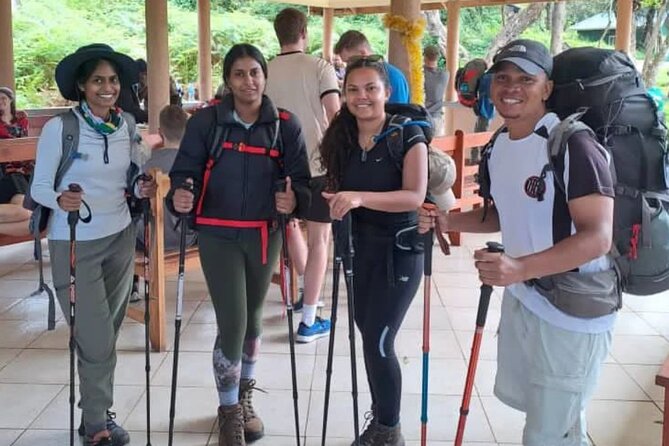
Reviewed · KILIMANJARO CLIMBS
Mount Kilimanjaro via Umbwe Route 6 days Climb
This is Kilimanjaro the hard way. The six-day Umbwe Route gives you a steep, direct approach to Uhuru Peak, with low trail traffic and striking changes from cloud forest to alpine desert. I like the quiet route and the close look at giant senecios, lobelias, glaciers, and both Kibo and Mawenzi peaks. The drawback is serious: six days allows little time to adjust to altitude, so this climb suits only very strong hikers with confidence at high elevation.
I also like that the small group limit of 15 keeps the operation from becoming a crowd on the trail. The porters, cooks, and guides travel with you for the full climb, and a vehicle returns you to Moshi after the final forest walk. Still, the midnight summit push can last about 15 hours, and the Umbwe Route has a lower success rate than slower routes.
In This Review
- Key facts about the six-day Umbwe climb
- Is the Umbwe Route right for you?
- Day one: Umbwe Gate to Cave Bivouac Camp
- Day two: Open moorland and Barranco Camp
- Day three: Climbing the Barranco Wall
- Day four: Karanga to Barafu Camp
- Day five: Uhuru Peak and the 15-hour summit push
- Day six: Mweka Gate and the return to Moshi
- What the support team and group size mean
- Fitness, altitude, and sensible preparation
- Pickup, meeting details, and cancellation
- Should you pay $2,435.90 for this climb?
- FAQ
- Where does the six-day Kilimanjaro climb take place?
- How long is the Umbwe Route climb?
- What time does the first day begin?
- How difficult is the Umbwe Route?
- How fit do I need to be?
- How many people can join the climb?
- Is the summit hike started at night?
- Which camps are included in the route?
- Are meals included?
- What costs are not included?
Key facts about the six-day Umbwe climb
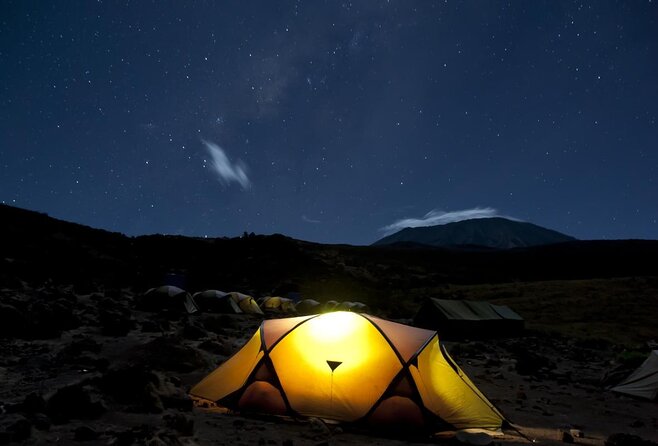
- The steepest opening: Your first day climbs through slippery, moss-covered cloud forest toward Cave Bivouac Camp.
- The scenic Barranco stop: Giant senecios and lobelias surround Barranco Camp, widely regarded as the prettiest camp on this route.
- A hands-on climb: The 1.5-hour ascent of the Barranco Wall may require you to use your hands.
- A short acclimatization window: You move from Umbwe Gate to high camps quickly, which makes altitude the main concern.
- A long summit day: Day five begins around midnight and includes roughly 15 hours of hiking before you reach Mweka Camp.
Is the Umbwe Route right for you?
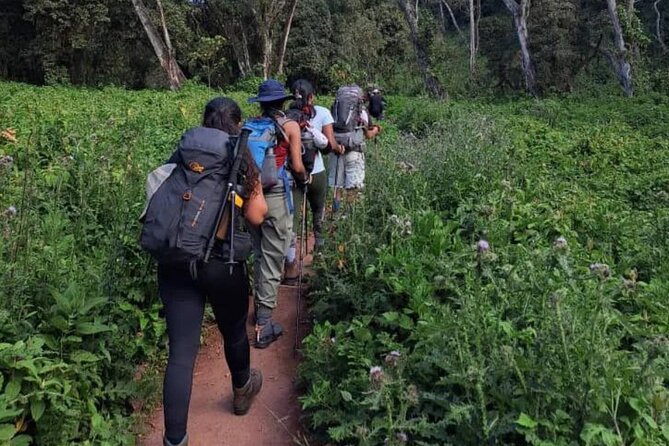
Umbwe is short, steep, and direct. That sounds efficient, but on Kilimanjaro, faster is not always better. Your body needs time to adjust as the air gets thinner, and this six-day plan gives you fewer gradual stages than many other routes.
I would consider this route only if you already have excellent hiking fitness and feel confident with long, steep days. The operator itself recommends seven days when possible, which tells you something important: the six-day version is the minimum, not the comfortable choice.
The route’s main reward is solitude. Traffic is described as very low, so you are less likely to spend the climb in a long line of hikers. The price is also easier to judge when you consider what is included: porters, cooks, guides, park access, meals during the climb, camp arrangements, and transport back to Moshi.
At $2,435.90 per person, this is not a casual mountain outing. Yet a Kilimanjaro climb requires a large support team and several days of food, transport, park access, and camp logistics. The value is reasonable for someone who wants a supported ascent, but the price does not remove the route’s physical and altitude risks.
More Kilimanjaro climbs:
- Kilimanjaro climb by Lemosho Route (7-day)
★ 5.0 · 651 reviews - Kilimanjaro climb, Machame Route (7-day)
★ 5.0 · 262 reviews - Kilimanjaro Climbing Lemosho Route 8 Days.
★ 5.0 · 186 reviews
Day one: Umbwe Gate to Cave Bivouac Camp
The day begins at about 8 a.m. with the trip from Moshi to Umbwe Gate. At the gate, your climb is registered while the porters, guides, and cooks organize the equipment needed for the next six days.
This pause is more than paperwork. It is your chance to check that you have water, warm layers, rain protection, and a headlamp before the path becomes serious. The first destination is Cave Bivouac Camp, about six hours away.
The trail rises sharply from the beginning. Expect slippery sections as you pass through moss-covered trees in Kilimanjaro’s cloud forest. Later, the forest thins and heathers, tall grasses, and wildflowers appear, giving you a clear sense of how quickly the mountain’s plant zones change.
The support crew moves ahead to prepare camp, which lets you walk at a pace suited to your fitness. That arrangement is practical, but do not mistake it for an easy start. A six-hour climb on a steep trail is a demanding first day, especially if rain makes the ground slick.
Day two: Open moorland and Barranco Camp
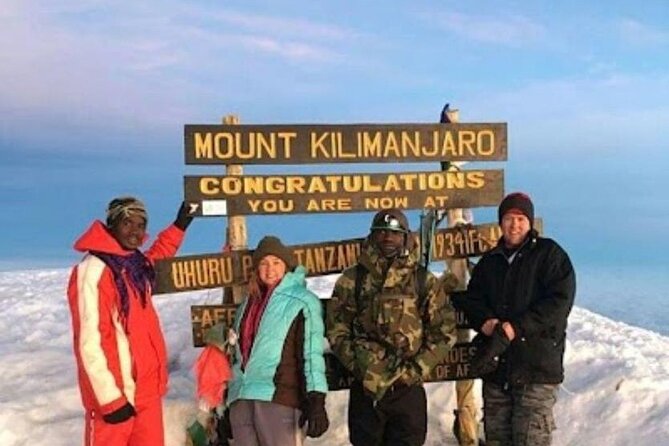
Day two follows the ridge before leaving the forest behind. The route opens into moorland, and you continue toward Barranco Camp for about seven hours.
This is one of the longer ordinary hiking days, and it comes before the summit effort. You should treat it as a steady endurance day, not a race. The quick gain in height makes it especially important to watch for signs of altitude trouble and tell your guide promptly if you feel unwell.
Barranco Camp is the scenic payoff. Giant senecios and lobelias surround the camp, creating a strange, memorable setting that feels far removed from the forest below. Because Barranco sits in a valley, the sun reaches it later than other camps, so the morning may feel cool and shaded.
That late sunlight also adds a small practical point: keep warm layers close at breakfast and do not expect the camp to heat quickly. After seven hours on the trail, the chance to rest in such a distinctive setting is welcome.
Day three: Climbing the Barranco Wall
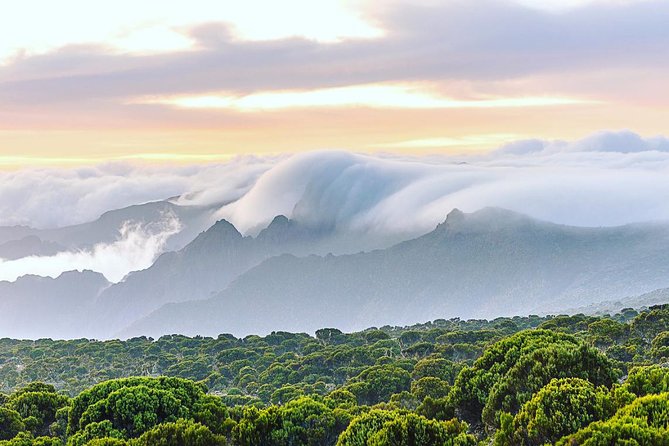
After breakfast, you leave Barranco for Karanga Valley. The day is shorter at about five hours, but it begins with the most technical section so far: a 1.5-hour scramble up the Barranco Wall.
You may need to use your hands in places. This is not described as technical climbing with ropes, but it is more than a simple walk. A sure step, patience, and a willingness to move carefully matter more here than speed.
Once above the wall, the path crosses fairly level ground before dropping steeply into the green Karanga River Valley. The contrast is sharp: hard rock and exposed scrambling give way to a greener hollow.
This day has a useful rhythm. The Barranco Wall demands concentration early, then the route gives you a shorter hiking schedule before the push to Barafu. Still, the descent into the valley means your legs do not get an entirely easy day. Trekking poles may help, though the supplied details do not confirm that they are provided, so you should check before departure.
A few more options to weigh up in Moshi
- Safari Serengeti And Ngorongoro
★ 5.0 · 288 reviews - Climbing Kilimanjaro – Machame Route
★ 5.0 · 170 reviews - Climbing Kilimanjaro through 7 days Machame Route
★ 5.0 · 151 reviews - Kilimanjaro climb, Lemosho Route (8-day)
★ 5.0 · 148 reviews
Day four: Karanga to Barafu Camp
The route to Barafu Camp takes about five hours. Along the way, you pass the junction linking the Mweka descent route with the Machame trail, then continue through alpine desert with very little plant life.
The route passes the Heim, Kersten, and Decken Glaciers. These views are a major reason to take time to look up, even when the trail feels tiring. You also get views of Kibo and Mawenzi peaks from Barafu, a dramatic setting for the night before your summit attempt.
Barafu means a shift in mood. The camp is high, exposed, and spare, with little vegetation to soften the surroundings. After dinner, the plan is to sleep, but your rest will be short because the summit hike begins around midnight.
That early start is designed to get you to the crater rim and Uhuru Peak during the summit schedule. It also creates a practical challenge: you need to organize your clothing, headlamp, water, and daypack before trying to sleep. Small delays can feel large when you are waking in the middle of the night.
Day five: Uhuru Peak and the 15-hour summit push
Day five is the test. Around midnight, you begin the final ascent by headlamp, hiking for roughly six hours toward the crater rim at Stella Point.
The trail is very steep until Stella Point. This is the hardest part of the entire trek, and altitude makes every step feel slower. The supplied schedule lists about 15 hours for the day, so you should not think of reaching the summit as the end of the work.
From Stella Point, the route to Uhuru Peak is more gradual. The walking is easier in terms of steepness, but you still have the crater rim to cross, which takes about an hour. The altitude remains the main problem, and fatigue can make this apparently gentler section feel long.
At Uhuru Peak, you have time for photos with your guide and group. The view includes the crater, clouds, mountain slopes, and glaciers. That moment is the emotional center of the climb, but you still need to descend safely.
You return from Uhuru to Barafu Camp, then continue to Mweka Camp. The supplied description is cut off after Barafu, but it clearly places Mweka Camp as the night’s destination. This is why the summit day requires honest preparation: you are not simply climbing up and stopping at the top. You ascend from midnight and keep moving down for many more hours.
Day six: Mweka Gate and the return to Moshi
After breakfast at Mweka Camp, you finish with about four hours through the forest to Mweka Gate. Rain can make this final trail slippery, so do not pack away your careful footing just because the summit is behind you.
A vehicle meets you at the lower station of Mweka Gate and returns you to Moshi. The ride gives you a clean break from the mountain and brings you back to your hotel for a well-earned celebration.
This is also when you say goodbye to the guides, cooks, and porters. Tips are not included, so bring money for the customary gratuities. The price includes breakfast, lunch, and dinner during the climb, although the booking information labels these inclusions as optional, so confirm exactly how meals are handled before paying.
What the support team and group size mean
The climb is limited to a maximum of 15 people. That is large enough to provide a social experience but small enough to avoid the feel of a mass procession. On a route known for low traffic, the group limit should help preserve the quiet atmosphere.
Your guides, cooks, and porters stay with the climb for six days. Porters move ahead to set up camp, while cooks prepare meals, allowing you to concentrate on walking and altitude management. This support is a major part of the price and also a reminder that the climb depends on a sizable working crew.
You should budget for tips to guides, porters, and cooks. They are specifically excluded, along with drinks at your hotel before and after the climb and travel insurance. Those costs are easy to overlook when you focus on the $2,435.90 headline price.
The only named person in the supplied information is Oscar Swai, who responded on behalf of Exceed Expectations Tours and Safari. No individual guide names are provided, so you should ask for the names and roles of your mountain crew before departure.
Fitness, altitude, and sensible preparation
The operator requires a strong physical fitness level, and that wording is justified. The route includes six-hour and seven-hour hiking days, steep scrambling, a midnight start, and a summit day of about 15 hours.
Fitness alone does not guarantee success. Umbwe’s quick ascent gives you fewer stages for acclimatization, and the route is specifically described as having lower chances of success. If you have the option, ask about the recommended seven-day version. One extra day may make the schedule more manageable, though the supplied price applies to the six-day climb.
You should take altitude symptoms seriously and tell your guide early. The information provided does not state a medical protocol or evacuation plan, so ask the operator about both before booking. Travel insurance is not included, and you should verify that your policy covers trekking at Kilimanjaro’s elevation.
Pickup, meeting details, and cancellation
Pickup is offered, which is useful after arriving in Tanzania or when leaving your Moshi hotel for the gate. The listed meeting point is Kilimanjaro Airport, Kilimanjaro National Park, Tanzania, while the tour location is given as Moshi.
The listed start time is 12 a.m., yet the first hiking day says to leave Moshi at 8 a.m. Confirm the exact pickup place and time directly with Exceed Expectations Tours and Safari. This small check can prevent a very early airport meeting from being confused with the actual departure for Umbwe Gate.
Confirmation is provided at booking. Free cancellation is available up to 24 hours before the local start time, with no refund for cancellations or changes made inside that window.
Should you pay $2,435.90 for this climb?
I would book this six-day Umbwe climb only if you want the most direct route and accept that the route is genuinely difficult. The low trail traffic, scenic Barranco Camp, glacier views, and organized support make it appealing for a strong hiker seeking a demanding mountain experience.
I would not choose it simply because six days sounds efficient. The short schedule leaves little room for altitude adjustment, and the midnight summit day is long enough to humble even a fit person. If your priority is the best chance of reaching Uhuru Peak, ask about the seven-day option before committing.
For the right person, this is a serious, well-supported attempt at Africa’s highest summit, not a sightseeing walk. Confirm the meeting details, meal arrangements, tip expectations, insurance requirements, and acclimatization plan. If those answers are clear and you are prepared for the physical cost, the Umbwe Route can offer a quieter and more memorable path to the roof of Africa.
FAQ
Where does the six-day Kilimanjaro climb take place?
The climb takes place on Mount Kilimanjaro in Tanzania, with the tour associated with Moshi.
How long is the Umbwe Route climb?
The climb lasts approximately six days.
What time does the first day begin?
The itinerary says to leave Moshi at 8 a.m. for Umbwe Gate. The listed meeting information gives a 12 a.m. start time, so you should confirm the exact pickup time with the operator.
How difficult is the Umbwe Route?
It is considered very difficult and is described as the most challenging way up Mount Kilimanjaro. The route is steep and direct, with limited stages for altitude adjustment.
How fit do I need to be?
You should have a strong physical fitness level. The route includes steep hiking, a scramble up the Barranco Wall, and a summit day lasting about 15 hours.
How many people can join the climb?
The maximum group size is 15 people.
Is the summit hike started at night?
Yes. The final ascent to Uhuru Peak begins around midnight on day five.
Which camps are included in the route?
The route uses Cave Bivouac Camp, Barranco Camp, Karanga Valley, Barafu Camp, and Mweka Camp before finishing at Mweka Gate.
Are meals included?
Breakfast, lunch, and dinner are listed for the climb, although the booking information marks them as optional. Confirm the meal arrangements with the operator before departure.
What costs are not included?
Drinks at your hotel before and after the climb, travel insurance, and tips for guides, porters, and the cook are not included.
Just added in Moshi
- Zanzibar: Stone Town tour and Nakupenda beach with Lunch★ 5.0 · 1 review
- day trip lake manyara★ 5.0 · 2 reviews
- Mt Kilimanjaro 6 days Marangu route hike★ 5.0 · 3 reviews
- machame route★ 5.0 · 16 reviews
- Private Cycle to Kilimanjaro Bike Park Safari★ 5.0 · 6 reviews
- West Kilimanjaro cycling Adventures★ 4.5 · 8 reviews
- Wildlife Extravaganza: Manyara, Tarangire & Ngorongoro in 3 Days★ 5.0 · 3 reviews
- 3 Days Private E-Bike Tour in West Kilimanjaro★ 5.0 · 3 reviews
Kilimanjaro Climbs, compared.






Chagga Villages in Mount Kilimanjaro Cycling Day Trip
Read our review →
Browse the lists this tour appears in