
Reviewed · LEMOSHO ROUTE CLIMBS
7 Days Lemosho Route
The mountain saves its best views for patient walkers. This seven-day Lemosho Route climb approaches Kilimanjaro from the west, where quiet forest trails, high moorland, broad Shira Plateau views, and a carefully paced ascent create a strong introduction to Africa’s highest mountain. I especially like the gradual route profile and the fact that the first two days are usually quieter before the trail joins the busier Machame route.
I also like the way the schedule includes a shorter acclimatization day at Barranco Camp before the summit push. The drawback is clear: summit night is a hard, cold, overnight effort, followed by a long descent on the same day. You need moderate fitness, patience, and a willingness to sleep in tents for nearly a week.
Golden Summit Adventures charges $2,050 per person. That price includes airport transfers, six breakfasts, six dinners, and seven lunches, along with the mountain program. Hotel meals before and after the climb, drinks, insurance, laundry, and personal items cost extra. The company receives a five-star rating from nine published customer ratings, with especially strong praise for coordination, guides, porters, the cook, and the quality of the meals.
In This Review
- Key Points to Know Before You Book
- Why the Seven-Day Lemosho Route Works Well
- Day 1: Forest Trails to Mti Mkubwa Camp
- Day 2: Shira Ridge and the Open Moorland
- Day 3: Lava Tower, Western Breach Views, and Barranco
- Day 4: Climbing Barranco Wall
- Day 5: Barafu Hut and Summit Preparation
- Day 6: Stella Point, Uhuru Peak, and Mweka Camp
- Day 7: Mweka Gate and the End of the Trek
- Guides, Porters, Meals, and Trip Support
- Is $2,050 a Fair Price?
- Who Should Choose This Climb?
- FAQ
- How long is the Lemosho Route experience?
- What is included in the price?
- Are hotel meals included before and after the climb?
- What fitness level is required?
- How large can the group be?
- What time does the experience start?
- Should You Book the Seven-Day Lemosho Route?
Key Points to Know Before You Book
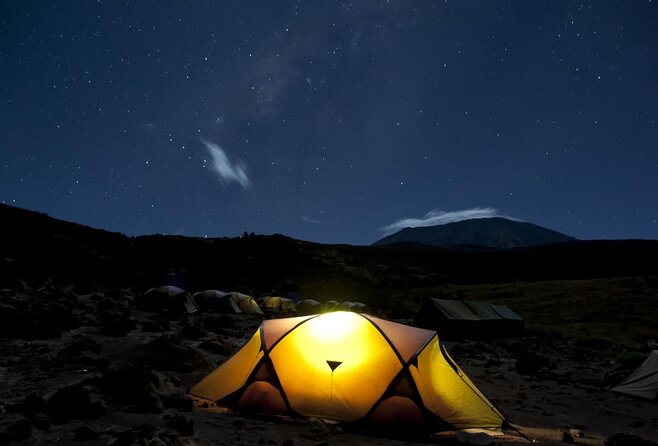
- Lemosho begins quietly from the western side of Kilimanjaro, giving you forest and moorland scenery before the route meets the popular Machame path.
- The route reaches Shira Ridge at 3,600 meters, then crosses open high ground toward Lava Tower and Barranco Camp.
- Barranco Wall looks tougher than it is, but the climb still requires steady footing and comfort with a steep rocky path.
- Summit night begins around 11:30 p.m., with about six hours to Stella Point before the final push toward Uhuru Peak.
- The longest day combines the summit and descent, taking you from night hiking at high altitude down to Mweka Camp.
- Golden Summit Adventures is praised for planning and staff care, with Elly handling coordination and Laraha named as an outstanding guide.
Why the Seven-Day Lemosho Route Works Well
Lemosho is a good choice if you want scenery and a steadier climb rather than the shortest possible Kilimanjaro itinerary. The western approach gives you two relatively quiet days before you meet the Machame route, which helps the early part of the trip feel less crowded and more remote.
The schedule also gives your body time to adjust. You sleep at Mti Mkubwa, then Shira Camp 1, then Barranco Camp at 3,950 meters. The route rises toward Lava Tower before dropping to Barranco, a useful high-altitude acclimatization pattern. That rise and fall is tiring, but it gives you time at greater height before sleeping lower.
The seven-day format is still demanding. You will walk for roughly three to eight hours on most days, and summit day is the real test. The itinerary is not a casual mountain holiday. It is a serious trek with a well-planned rhythm.
Group size can reach 20 people. That is small enough to retain a guided feel, but large enough that walking speeds and energy levels may vary. Ask how your group will be organized if you prefer a smaller party or need a slower pace.
More Lemosho Route climbs:
- Kilimanjaro climb by Lemosho Route (7-day)
★ 5.0 · 651 reviews - Kilimanjaro Climbing Lemosho Route 8 Days.
★ 5.0 · 186 reviews - Kilimanjaro climb, Lemosho Route (8-day)
★ 5.0 · 148 reviews
Day 1: Forest Trails to Mti Mkubwa Camp
The climb begins from the Glades, followed by about three hours of walking through forest to Mti Mkubwa, meaning Big Tree, Camp. This is a gentle first day by Kilimanjaro standards, though the trail may still feel rough after the airport transfer and pre-climb arrangements in Moshi.
The forest is the first reminder that Kilimanjaro is not simply a barren rock peak. You begin among trees and shaded paths, with the mountain experience changing as you gain height. The short walking time is useful because it lets you settle into your boots, daypack, and walking rhythm.
Your first night is at camp, with dinner included. You should use this evening to check your clothing, organize your sleeping gear, and make sure the items you need during the day are easy to reach. The small effort now saves fuss later, especially when mornings become colder and the trail gets steeper.
Day 2: Shira Ridge and the Open Moorland
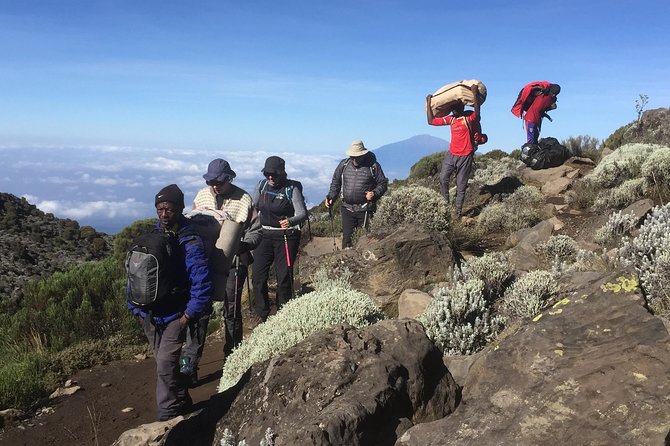
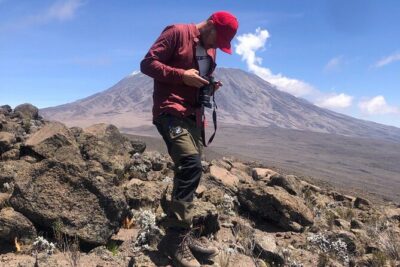
Day two takes about five hours. The trail gradually steepens, leaving the forest for giant heather and high moorland. You cross Shira Ridge at 3,600 meters, or 11,810 feet, before dropping gently to Shira Camp 1 beside a stream on the Shira Plateau.
This is one of the most memorable parts of Lemosho. The trees fall away, the air feels thinner, and Kilimanjaro’s scale becomes easier to grasp. The open setting gives you long views and a sense of space that the forest cannot provide.
The gain in height may affect you here. Do not treat this as a race simply because the day is relatively short. Walk slowly, drink regularly, and tell your guide if you develop symptoms that concern you. The itinerary places value on a steady incline, but altitude affects each person differently.
Shira Camp 1 is an important stop because you sleep high enough to continue the acclimatization process, while the walking distance remains manageable. This combination is one reason the route appeals to climbers who want more than a rushed ascent.
Day 3: Lava Tower, Western Breach Views, and Barranco
Day three is listed at about seven hours and is one of the most varied days on the route. After breakfast, you climb east through sparse high-altitude terrain toward Kilimanjaro’s main mass. The path grows steeper as vegetation becomes scarce.
You stop for lunch near Lava Tower. This is a major altitude point in the itinerary, and it can be a tiring section even before the day is halfway finished. After lunch, the route descends for about two hours below the cliffs of the Western Breach and Breach Wall.
The descent is not wasted effort. It brings you to Barranco Camp at 3,950 meters, or 12,960 feet, where you sleep lower than the highest point reached during the day. This is a classic climb-high, sleep-lower pattern, and it gives the schedule real acclimatization value.
Barranco sits in a valley below the Great Barranco Wall and the Breach. The setting is dramatic, especially at sunset. You may be tired by the time you arrive, but this is a good place to slow down, eat dinner, and let the mountain scenery do some of the work.
A few more options to weigh up in Moshi
- Safari Serengeti And Ngorongoro
★ 5.0 · 288 reviews - Kilimanjaro climb, Machame Route (7-day)
★ 5.0 · 262 reviews - Climbing Kilimanjaro – Machame Route
★ 5.0 · 170 reviews - Climbing Kilimanjaro through 7 days Machame Route
★ 5.0 · 151 reviews
Day 4: Climbing Barranco Wall
After breakfast, you head up a steep ridge toward the Great Barranco Wall. It looks imposing from camp, but the route description is right to suggest that it is easier than it first appears. You still need to use your hands at points, watch your footing, and follow the guide’s instructions carefully.
The climb takes about four hours. It is shorter than the previous day, and that matters. After two longer walks, your body needs time to recover before the summit effort.
From camp, you can look east toward the sharp peaks of Mawenzi. After a hot lunch, the afternoon is available for rest or exploring nearby. Do not feel guilty about spending most of it in your tent. Rest is part of the climb, not a sign that you are falling behind.
This is one of the strongest features of the schedule. A short day before summit preparation gives you a better chance to reach Barafu with some energy left. The route remains hard, but it does not force every day into the same exhausting pattern.
Day 5: Barafu Hut and Summit Preparation
Day five takes about four hours as you cross ridges and valleys to join the Mweka Route, which becomes your descent path. You then turn toward the mountain and climb for another hour through sparse high ground to Barafu Hut.
Barafu means ice, and the camp’s setting feels suitably severe. Your tent is pitched on a narrow, stony, wind-exposed ridge. You need to learn where your gear is before darkness, since moving around camp can be awkward and the ground is not forgiving.
A hot lunch is provided at Barafu. After eating, organize your summit clothes, headlamp if you have one, water, snacks, and other personal items. The schedule advises drinking plenty of fluids, and this is practical advice. You do not want to discover at midnight that your warmest clothing or essential supplies are buried in a large bag.
Dinner comes early, followed by a few hours of sleep. Many people find this rest difficult because of excitement, cold, altitude, or the unusual timing. Still, lying down in a warm sleeping bag is worthwhile, even if you do not sleep deeply.
Day 6: Stella Point, Uhuru Peak, and Mweka Camp
Summit day begins around 11:30 p.m. with tea and biscuits. You set off into the night for the hardest section of the climb, a roughly six-hour ascent northwest through heavy scree between the Rebmann and Ratzel glaciers to Stella Point.
This is where the seven-day schedule earns its keep, but it is also where the trip becomes genuinely strenuous. The footing can be loose, the air is thin, and progress may feel slow. The dark hides the scale of the slope, which can be a blessing. You focus on the next step rather than the full climb above you.
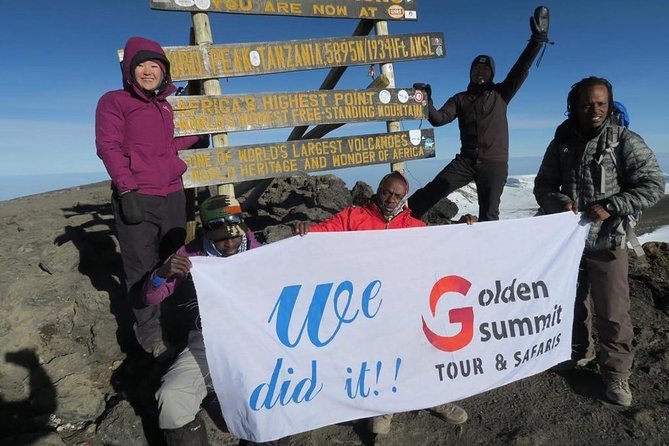
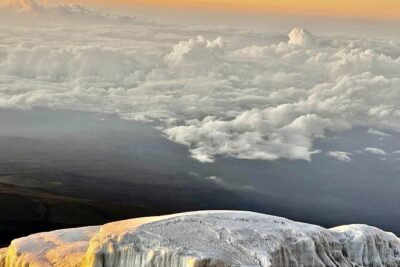
At Stella Point, 5,685 meters or 18,650 feet, you can stop briefly and watch the sunrise. Climbers who reach Stella Point receive green summit certificates. Those who continue to Uhuru Peak receive gold certificates. The certificate detail is small, but it gives the finish a tangible marker after a difficult night.
From the summit area, the descent to Barafu takes about three hours. You rest briefly, collect your equipment, and continue down through rock and scree toward the moorland and forest. The day ends at Mweka Camp at 3,100 meters, or 10,170 feet.
This is the itinerary’s biggest drawback. Summit day combines an overnight ascent, the highest altitude of the trip, a descent from the summit, and several more hours down to camp. You should expect fatigue. The reward is that you finish the high-altitude work in one major push and sleep much lower that night.
Day 7: Mweka Gate and the End of the Trek
After breakfast, you walk for about three hours toward Mweka Gate. The route is scenic and easier than the summit day, but tired legs can make even a modest descent feel long.
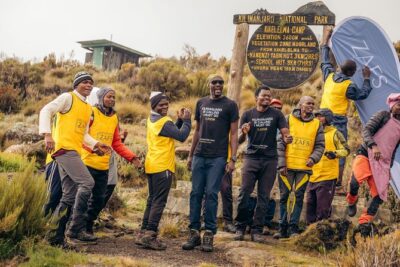
At the gate, you can sign the register and receive your summit certificate if you reached Stella Point or Uhuru Peak. The itinerary also notes a practical tip about porter tipping: keep final tips until you and your gear have reached the gate safely, then tip the staff at the gate as appropriate.
From Mweka Gate, you continue to Mweka Village. If the road is too muddy for vehicles, the final three-kilometer walk may take about an hour. This is a useful warning because the end of a mountain trek does not always mean smooth transport right away.
Lunch is served in the village before the onward transfer. Airport transport to and from your Moshi accommodation is included, which simplifies the start and finish of the trip.
Guides, Porters, Meals, and Trip Support
The strongest praise for Golden Summit Adventures centers on organization and the mountain team. Elly is identified as the coordinator who helped with planning, packing information, vaccinations, timing, and trip details. Fast replies matter here because a Kilimanjaro climb involves many small decisions before you arrive.
Laraha is named as a guide who brought professionalism, humor, pride in the work, and care to the trek. Other feedback gives similar credit to the guides, porters, and cook. The porters are described as fast and effective with carrying and packing, while the cook is praised for hearty, nutritious meals and snacks.
Food is included throughout the climb: six breakfasts, six dinners, and seven lunches. That is good value at $2,050 because meals on a seven-day mountain trip are not a minor extra. You still need to budget for hotel meals and drinks before and after the climb, plus personal snacks if you want them.
The porter system also deserves respectful attention. Porters make the route possible for many climbers, but their work is demanding. Ask the operator for current tipping guidance and follow the practical instruction to wait until all your equipment has arrived safely at the gate.
Is $2,050 a Fair Price?
At $2,050 per person, this is not a bargain-basement climb, nor is it priced as a luxury expedition. The value comes from the seven-day route, airport transfers, included mountain meals, guides, porters, and a route known for strong scenery and better acclimatization than shorter options.
The cost is easier to justify if you value planning support. Elly’s role in answering questions and organizing the trip can reduce the uncertainty that comes with a first high-altitude climb. You also avoid arranging transport and meals on the mountain yourself.
Budget separately for travel insurance, hotel food and drinks, laundry, toiletries, and personal equipment. The trip is non-refundable and cannot be changed after booking, so confirm your dates, fitness, insurance, and equipment plans before paying.
Who Should Choose This Climb?
I would recommend this route to a reasonably fit first-time Kilimanjaro climber who wants scenery and a steady schedule. It also suits people who prefer a guided trip with included food, transfers, and a coordinator who can help before arrival.
You should think twice if you dislike camping, struggle with long downhill walks, or need flexible dates. The summit night is cold, late, and physically demanding. The maximum group size of 20 may also feel larger than expected if you imagined a private mountain experience.
Still, the route has a sensible rhythm. Quiet beginnings, a high point near Lava Tower, a descent to Barranco, a shorter acclimatization day, and a planned summit night all work together. You pay for a demanding experience, but the structure gives you a fair shot at reaching the top.
FAQ
How long is the Lemosho Route experience?
The climb takes approximately seven days, beginning at the Glades and ending at Mweka Gate and Mweka Village.
What is included in the price?
The price includes private transport to and from Kilimanjaro International Airport to accommodations in Moshi, six dinners, seven lunches, and six breakfasts.
Are hotel meals included before and after the climb?
No. Lunches, dinners, and drinks at your hotel before and after the climb are not included.
What fitness level is required?
The experience is intended for people with a moderate physical fitness level.
How large can the group be?
The maximum group size is 20 people.
What time does the experience start?
The stated start time is 8:30 a.m.
Should You Book the Seven-Day Lemosho Route?
Book it if you want one of Kilimanjaro’s more scenic approaches, a quieter first couple of days, and a schedule that gives acclimatization real attention. The praise for Elly, Laraha, the porters, cooks, and mountain support adds confidence, especially for first-time climbers.
Do not book it casually. You need insurance, suitable personal gear, moderate fitness, and a firm understanding that summit day is a long overnight effort. If you accept that challenge, the seven-day Lemosho Route offers strong scenery, useful pacing, and solid practical value for the price.
Just added in Moshi
- Zanzibar: Stone Town tour and Nakupenda beach with Lunch★ 5.0 · 1 review
- day trip lake manyara★ 5.0 · 2 reviews
- Mt Kilimanjaro 6 days Marangu route hike★ 5.0 · 3 reviews
- machame route★ 5.0 · 16 reviews
- West Kilimanjaro cycling Adventures★ 4.5 · 8 reviews
- Wildlife Extravaganza: Manyara, Tarangire & Ngorongoro in 3 Days★ 5.0 · 3 reviews
- Private Cycle to Kilimanjaro Bike Park Safari★ 5.0 · 6 reviews
- 3 Days Private E-Bike Tour in West Kilimanjaro★ 5.0 · 3 reviews
Lemosho Route Climbs, compared.

8-Day Small-group Lemosho Kilimanjaro Summit Trekking
Read our review →


Climbing Kilimanjaro through 8 days Lemosho Route
Read our review →Browse the lists this tour appears in