
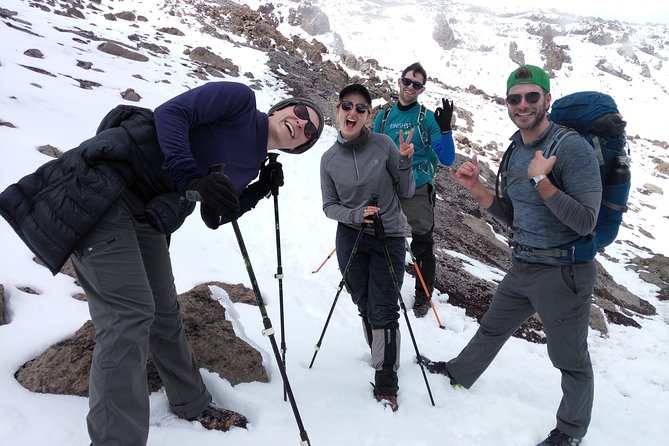
Reviewed · LEMOSHO ROUTE CLIMBS
7 days Lemosho route Climbing Mt.Kilimanjaro
Kilimanjaro rewards patience, not speed. This 7-day Lemosho climb gives you a scenic approach through rainforest, moorland, volcanic rock, and alpine desert before the long push to Uhuru Peak. I especially like the gradual route profile, which gives your body time to adjust, and the strong support system of guides, porters, a cook, treated water, and rescue coverage.
The route also includes a full acclimatization day on the Shira Plateau, followed by the useful climb-high-and-sleep-lower day through Lava Tower and down to Barranco. That is smart mountain planning. The main drawback is the summit schedule: you begin around 2 a.m. after a demanding day at Barafu, so you need solid fitness, patience, and a willingness to spend seven days camping.
In This Review
- Key points before you book
- Why Lemosho is a strong seven-day choice
- Day 1: Moshi to Londorossi Gate and the rainforest
- Day 2: Moorland, Shira Ridge, and the first big Kibo view
- Day 3: Shira Plateau and the value of a full acclimatization day
- Day 4: Lava Tower, Arrow Glacier junction, and Barranco
- Day 5: Barranco Wall, Karanga Valley, and Barafu Camp
- Day 6: Stella Point, Uhuru Peak, and the long descent
- Day 7: Mweka Gate, certificates, and the return to Moshi
- What the $2,850 price really covers
- The human side of the Kilisa team
- Who should book this climb?
- Should you book the 7-day Lemosho route?
- FAQ
- How long is the Kilimanjaro experience?
- Where does the climb begin?
- What time does the experience start?
- Is airport pickup included?
- Are meals included?
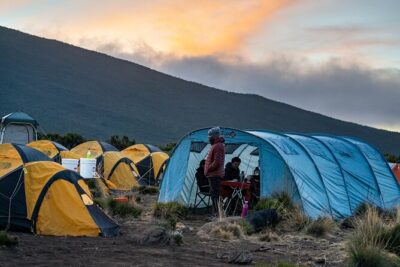
- Is camping included?
- What is not included in the price?
Key points before you book
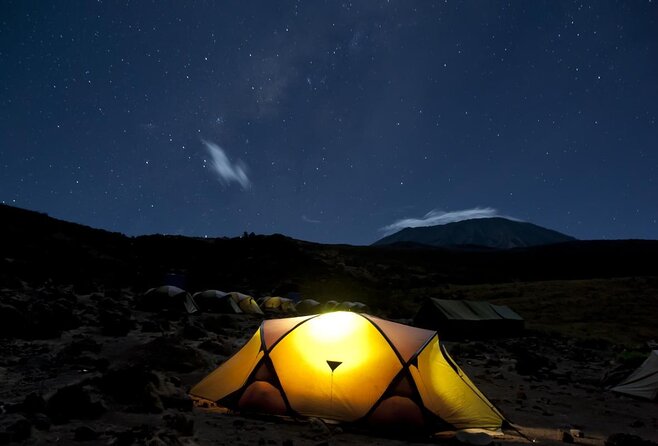
- Lemosho begins in quiet rainforest: The first day starts at the western side of Kilimanjaro and feels more remote than a direct approach from Moshi.
- Shira Plateau provides extra acclimatization: Day three is a gentle but long 14-kilometer outing, with walks toward Moir Hut and Lent Hills.
- Lava Tower is used for altitude practice: You climb to about 16,000 feet before descending to Barranco Camp at roughly 13,000 feet.
- The summit day is a serious endurance test: You leave Barafu around 2 a.m., reach Stella Point, continue to Uhuru Peak, then descend to Mweka Camp.
- The $2,850 price covers major essentials: Park fees, rescue fees, airport transfers, two Moshi hotel nights, meals, water, guides, porters, and a cook are included.
- The company receives strong praise for personal care: Guides named in past trips include Goodluck, Abraham, Oscar, Bakari, Nickson, Joseph, Matthew, FC, Bariki, and Tammy.
Why Lemosho is a strong seven-day choice
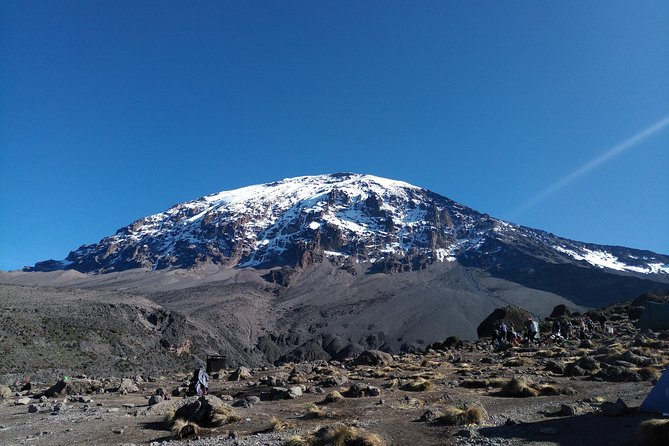
Lemosho is a good fit if you want more than a quick uphill march. The route approaches Kilimanjaro through forest and across the Shira Plateau before joining the southern circuit. That creates changing scenery and gives you several days to settle into the slow rhythm needed at altitude.
The seven-day length matters. Kilimanjaro is not simply a tall hiking hill. The summit reaches 19,345 feet, and your body needs time to respond to thinner air. This schedule includes steady gains, a full day on Shira, and the Lava Tower descent before the Barranco night.
You still need to be realistic. A strong physical fitness level is required, and day five is listed at eight to ten hours. Summit day combines a midnight-style start, a major ascent, the summit itself, and a long descent. The mountain may be nontechnical, but it is not easy.
The maximum group size is 15 people. That is large enough to share the experience but small enough to keep the group organized, especially if the guide team is well staffed. The exact number of guides and porters depends on the group, so confirm the support arrangement before departure.
More Lemosho Route climbs:
- Kilimanjaro climb by Lemosho Route (7-day)
★ 5.0 · 651 reviews - Kilimanjaro Climbing Lemosho Route 8 Days.
★ 5.0 · 186 reviews - Kilimanjaro climb, Lemosho Route (8-day)
★ 5.0 · 148 reviews
Day 1: Moshi to Londorossi Gate and the rainforest
Your first day begins with transport from Moshi toward Londorossi Gate, a drive of about four hours. At the gate, the team handles entry formalities, then continues for about another hour to the Lemosho trailhead.
This is a long transport morning before you even start walking. Once you arrive, lunch comes before the trail begins, so keep your expectations sensible. The first hike covers about six kilometers in three to four hours, rising from approximately 7,800 feet to 9,500 feet.
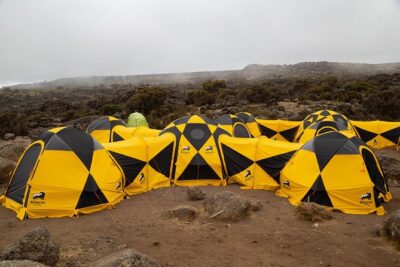
The forest is the reward. The trail passes through undisturbed rainforest, a cool and shaded start compared with the exposed upper mountain. You finish at a campsite, with dinner and your first night under canvas.
The practical challenge is that the day combines a lengthy drive, administrative time, lunch, and hiking. Pack water and a small snack in your day bag, even though treated and filtered drinking water is supplied during the trek. You will want rain protection close at hand because rainforest conditions can be wet.
Day 2: Moorland, Shira Ridge, and the first big Kibo view
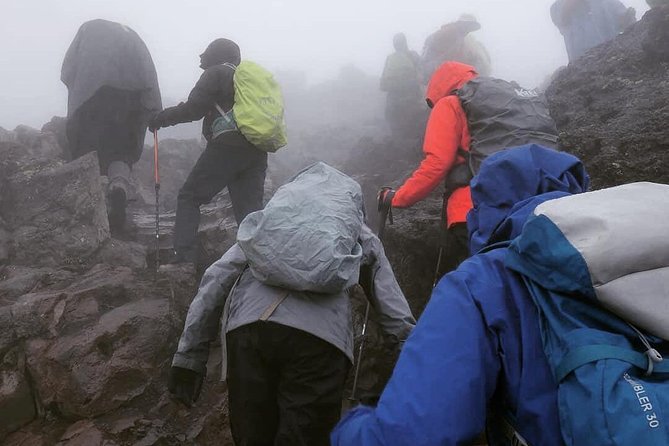
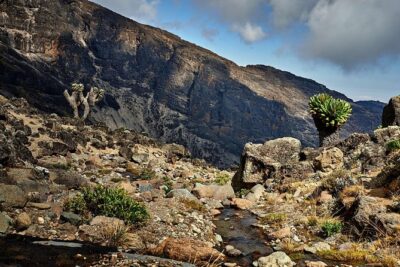
The forest thins as you climb into moorland. Tall grasses, heather, volcanic rock, and lichen-covered formations replace the dense trees. The route rises through rolling ground and crosses several streams before reaching Shira Ridge.
From there, you drop gently toward Shira 1 Camp. The day covers eight kilometers and takes about five to six hours, with an ascent from 9,500 to 11,500 feet.
This is where the mountain begins to feel wide open. Kibo, Kilimanjaro’s main summit cone, comes into view across the plateau. The sight is one of the trip’s best early rewards because it shows the height still ahead without putting the summit within easy reach.
The elevation gain is moderate on paper, but the air is already thinner than at Moshi. Walk slowly and avoid treating the broad trail like a race. Breakfast, lunch, and dinner are provided, and you camp again.
Day 3: Shira Plateau and the value of a full acclimatization day
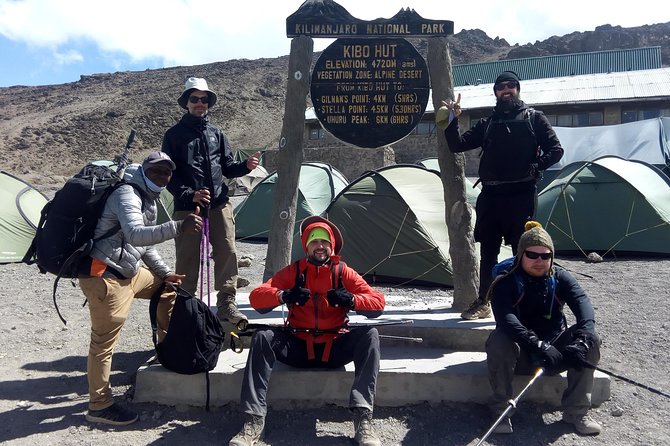
Day three is listed as a full day exploring the Shira Plateau. The route moves gently east toward Kibo, crossing moorland meadows and reaching Shira 2 Camp near a stream. It then continues toward Moir Hut at the base of Lent Hills.
At around 14 kilometers and five to seven hours, this is not a short rest day. It is better understood as a controlled acclimatization day. The route allows you to gain height gradually, take optional walks around Lent Hills, and spend time on one of the world’s highest plateaus.
The open setting gives you a very different experience from day one. There is less shelter from sun, wind, and weather, so a hat, sunscreen, warm layers, and rain gear belong in your daypack. The itinerary lists moorland habitat and camping accommodation.
I like this day because it breaks up the climb before the tougher southern circuit. The possible downside is fatigue. If you arrive at camp feeling tired, use the afternoon to eat, drink, and rest rather than trying to turn every available walk into another achievement.
A few more options to weigh up in Moshi
- Safari Serengeti And Ngorongoro
★ 5.0 · 288 reviews - Kilimanjaro climb, Machame Route (7-day)
★ 5.0 · 262 reviews - Climbing Kilimanjaro – Machame Route
★ 5.0 · 170 reviews - Climbing Kilimanjaro through 7 days Machame Route
★ 5.0 · 151 reviews
Day 4: Lava Tower, Arrow Glacier junction, and Barranco
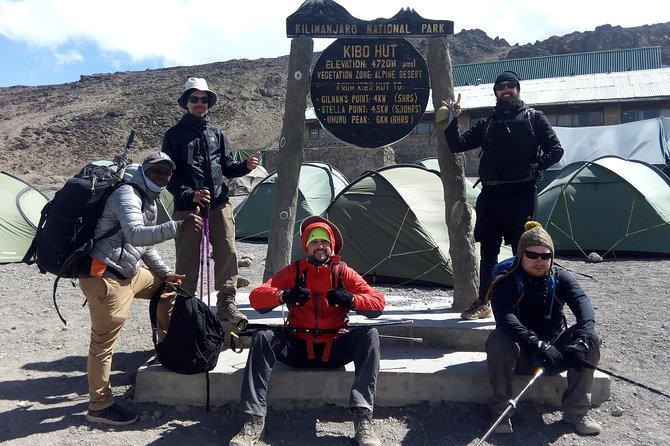
This is the route’s most carefully designed altitude day. From Shira, you climb east along a ridge, pass the junction toward Kibo, and continue southeast to Lava Tower, known here as the Shark’s Tooth. The trail reaches roughly 16,000 feet near the Arrow Glacier junction before descending to Barranco Camp at about 13,000 feet.
You cover only about seven kilometers and spend four to six hours hiking, but the height makes the day demanding. You finish close to the elevation where you started, yet the climb-high-and-descend pattern gives your body useful exposure to altitude.
The descent into the semi-desert zone brings a change in color and texture. Vegetation becomes sparse, and volcanic ground dominates. Barranco is not merely a place to sleep. It positions you for the next morning’s climb over the Barranco Wall.
This day may be uncomfortable for anyone who expects distance alone to measure difficulty. At 16,000 feet, a short walk can feel surprisingly slow. Follow the guide’s pace, tell the guide how you feel, and do not hide symptoms to protect your summit hopes.
Day 5: Barranco Wall, Karanga Valley, and Barafu Camp
After breakfast, you tackle the steep ridge beside the Barranco Wall. The route then descends and rises through Karanga Valley before joining the Mweka Trail and continuing to Barafu Hut.
The total distance is about nine kilometers, but the estimated hiking time is eight to ten hours. That tells you more than the distance does. The day involves repeated climbing and descending at high altitude, followed by a final ascent to Barafu at about 15,000 feet.
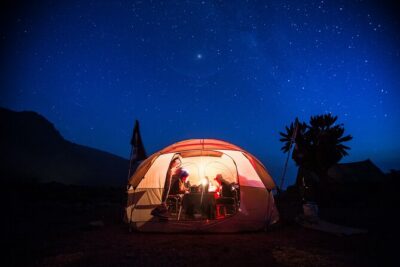
You have now completed the South Circuit, with views of Kibo and Mawenzi from different angles. Barafu is the staging point for the summit, not a place for a relaxed evening. After dinner, you should organize warm clothing, headlamp, water, snacks, and any trekking poles you plan to use.
The schedule gives you camping accommodation and three meals. The cook is an important part of the experience here. Several accounts praise the food as plentiful, which matters when you are eating hard-earned calories in cold conditions.
The main issue is limited recovery time. A long day ends at Barafu, then the summit attempt begins around 2 a.m. You should regard day five as part of summit preparation, not as an ordinary hiking day.
Day 6: Stella Point, Uhuru Peak, and the long descent
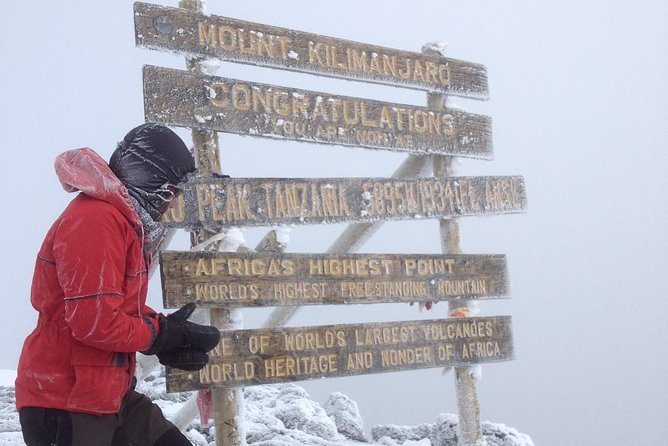
Summit day begins around 2 a.m. You climb between the Rebmann and Ratzel glaciers, moving northwest through heavy scree toward Stella Point on the crater rim at approximately 18,600 feet.
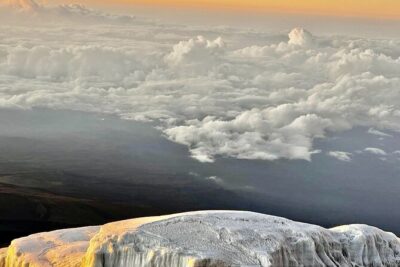
Scree is loose volcanic stone, and progress can feel slow. The early start helps you reach Stella Point around sunrise, weather permitting. From there, the final hour to Uhuru Peak may include snow, and the summit sits at 19,345 feet, the highest point on Kilimanjaro and in Africa.
The view from Stella Point can be extraordinary, but you should not count on clear skies. Weather changes quickly at the summit, and the cold, darkness, and altitude can make the last section feel much harder than the route profile suggests.
After Uhuru Peak, you descend toward Mweka Hut, stopping at Barafu for lunch. The supplied schedule is cut off in its elevation line, but it clearly describes a major descent from the summit area to a much lower camp. This is a very long day, and the descent can be rough on knees and legs even after the main objective is complete.
You need to judge success sensibly. Reaching Stella Point is a major accomplishment, and guides should make safety decisions based on your condition. The included first-aid kit and Team Kilimanjaro Rescue fees provide useful support, but they do not replace travel insurance or careful preparation.
Day 7: Mweka Gate, certificates, and the return to Moshi
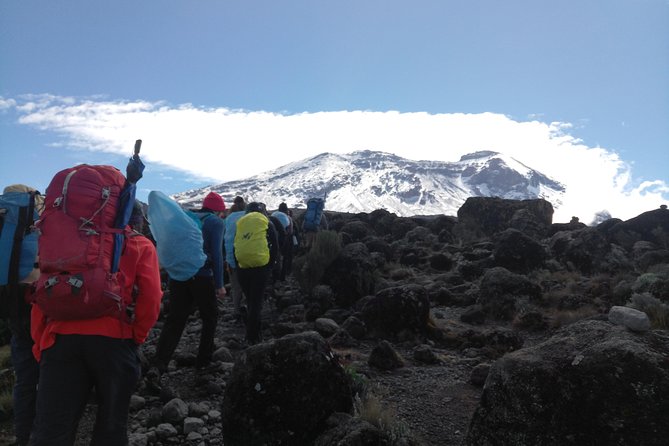
The final hiking day descends through rainforest from about 10,000 feet to 5,400 feet. The distance is listed as 10 kilometers, with three to four hours of walking.
The lower trail can be wet and muddy. Gaiters and trekking poles are specifically useful here, while shorts and a T-shirt may be comfortable once the temperature rises. Keep rain gear and warmer clothing easy to reach, since conditions can change before you reach the gate.
At Mweka Park Gate, you receive summit certificates. You then continue for about an hour to Mweka Village, where a vehicle meets you and returns you to your Moshi hotel.
The trip includes two nights of accommodation in Moshi, though the schedule does not specify exactly which nights. Confirm the hotel details and the timing of the post-climb night before you book flights or plan an immediate onward connection.
The following departure day is left open for your next destination. Kilisa can arrange transport to the airport at your required time, and the information also allows for a safari, a flight to Zanzibar, or a flight home.
What the $2,850 price really covers
At $2,850 per person, the price is not just for a guide walking beside you. It includes park entry fees, rescue fees, private airport transfers, two Moshi hotel nights, mountain guides, a cook, porters, treated and filtered drinking water, an emergency first-aid kit, and all listed meals during the trek.
That package gives you a clear base for judging value. Park and rescue charges alone are significant parts of a Kilimanjaro climb, while the porters and kitchen team make a seven-day camp schedule possible. Six lunches, seven breakfasts, and six dinners are included, although the formatting of the meal section is repetitive.
The cost does not include flights, travel insurance, or tips for guides, porters, and the cook. Tips are not a minor afterthought in a supported mountain climb, so include them in your budget. You should also arrange insurance that covers trekking at Kilimanjaro’s elevation.
The inclusion of private airport transport is helpful, especially after a long international flight. Pickup is offered, and the experience uses mobile tickets. Confirmation is provided at booking, with a stated start time of 8:30 a.m. for the initial arrangements.
The human side of the Kilisa team
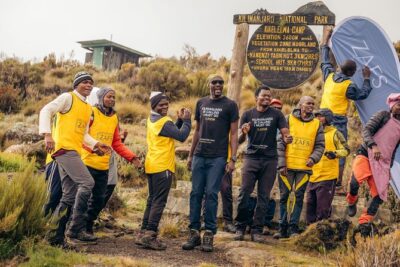
The most consistent praise is directed at the staff. Guides named across different climbs include Goodluck Mwanga, Abraham, Oscar, Bakari, Nickson, Joseph, Bariki, Tammy, FC, and Matthew. Goodluck is singled out for making a demanding hike feel fun, while Abraham and Oscar are praised for encouragement and steady support.
That personal care matters on Kilimanjaro. You spend seven days with the same mountain team, and their pacing, communication, and attention to your condition shape the experience as much as the views do.
The cook also receives specific praise, especially for serving generous portions. One account highlights the food as a surprise strength, while another describes the crew as friendly and professional from the driver through to the porters.
I would still ask practical questions before arrival. Confirm who your lead guide will be, how many porters support your group, what luggage weight is allowed, and how the company handles a change in summit plans. The safety information emphasizes planning and local experience, but a direct pre-trip conversation is the best way to understand the actual system assigned to you.
Who should book this climb?
This route suits you if you want scenic variety, a slower approach than the shortest Kilimanjaro options, and a company that provides a full mountain team. It is also a good match for a solo climber who wants organized support, since past solo participants describe feeling well cared for.
You should be comfortable with camping, long walking days, early starts, changing weather, and basic mountain discomfort. A strong fitness level is required, but fitness alone does not solve altitude problems. Patience, hydration, slow pacing, and honest communication with your guide are just as important.
A group of up to 15 may not suit someone seeking a private, quiet climb. On the other hand, it can make the trip more social and may offer reassurance during the difficult days.
The route is not ideal if you want a short holiday with a guaranteed summit. Weather can cancel or alter the experience, and the operator states that poor weather may lead to a new date or full refund. You can cancel for a full refund up to 24 hours before the start time, but late cancellations and late changes are not refunded or accepted.
Should you book the 7-day Lemosho route?
I would consider this a strong-value Kilimanjaro package for a fit hiker who wants a scenic route and substantial logistical support. The best reasons to book are the Shira acclimatization day, the Lava Tower descent, the included rescue fees, and the repeated praise for guides, food, and personal care.
Before paying, ask for the precise hotel names, porter baggage rules, group size for your date, insurance requirements, and the complete summit-day camp schedule. If you understand that the final ascent is cold, early, steep, and exhausting, this seven-day Lemosho climb offers a thoughtful way to take on Africa’s highest mountain.
FAQ
How long is the Kilimanjaro experience?
The climb lasts approximately seven days, followed by an open departure day for a safari, Zanzibar, airport transfer, or your flight home.
Where does the climb begin?
The experience is based in Moshi. You travel from Moshi to Londorossi Gate, complete entry formalities, and continue to the Lemosho trailhead.
What time does the experience start?
The stated start time is 8:30 a.m.
Is airport pickup included?
Yes. Private transport to and from Kilimanjaro International Airport and your Moshi accommodation is included.
Are meals included?
Yes. The package includes seven breakfasts, six lunches, and six dinners during the listed climb.
Is camping included?
Yes. Camping accommodation is provided on the mountain, along with two nights of accommodation in Moshi.
What is not included in the price?
Flights, travel insurance, and tips for guides, porters, and the cook are not included.
Just added in Moshi
- THE BEST 2 DAYS ON TREK – MARANGU ROUTE TOUR ADVENTURES★ 5.0 · 1 review
- Mount Kilimanjaro National Park Day Trip★ 5.0 · 7 reviews
- Mount Kilimanjaro Climbing in Tanzania Full-Day Trip★ 5.0 · 1 review
- Mount Kilimanjaro Day Hike – All-Inclusive, No Hidden Fees★ 4.0 · 7 reviews
- Mount Kilimanjaro Trekking Tour – Climb with Local Guides★ 5.0 · 1 review
- Mount Kilimanjaro: 7 Days Hike Lemosho Route★ 5.0 · 1 review
- Moshi:Chemka Hot Springs, Materuni Waterfalls & Coffee Tour★ 5.0 · 1 review
- Moshi Town: Walking Tour: Theme Urban lifestyle★ 3.1 · 4 reviews
Lemosho Route Climbs, compared.
8-Day Small-group Lemosho Kilimanjaro Summit Trekking
Read our review →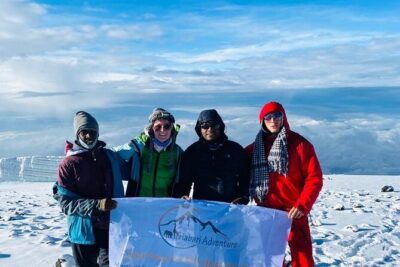
Climbing Kilimanjaro through 8 days Lemosho Route
Read our review →Browse the lists this tour appears in