
Reviewed · LEMOSHO ROUTE CLIMBS
8 Day Climbing Kilimanjaro Via Lemosho Route
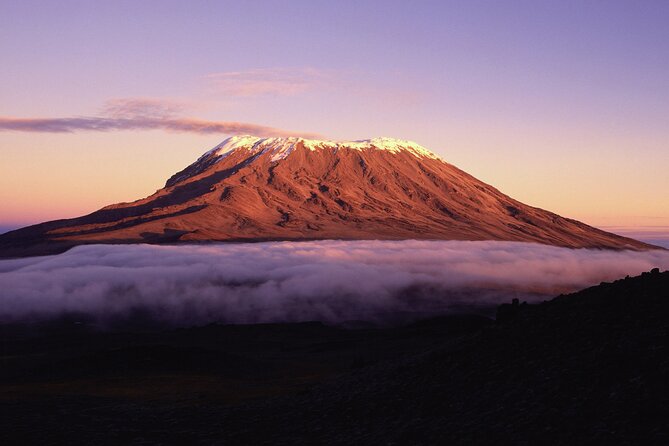
Kilimanjaro rewards patience, not speed. This eight-day climb from Moshi follows the scenic Lemosho Route across rainforest, moorland, alpine desert, and the arctic summit zone. I like the slower schedule, which gives you more time to adjust to altitude, and I like the strong guide support from Spirit of Kilimanjaro, including guides such as Yobu Eliamani Mbwambo, Rama, and Paulo.
The route also delivers real variety, from wildlife-friendly forest to the strange giant senecios around Barranco. The main drawback is the physical demand: you will walk for many hours, sleep at high altitude, and face a cold midnight summit push. The published day-by-day timings also contain some confusing summit and descent figures, so I would confirm the exact schedule before paying.
In This Review
- Key points to know before you book
- Why the Lemosho Route earns eight days
- Day 1: Londorossi Gate to Forest Camp
- Day 2: Forest Camp to Shira 1
- Day 3: Across the Shira Plateau to Moir Camp
- Day 4: Moir Camp, Lava Tower, and Barranco
- Day 5: Barranco Wall to Karanga Camp
- Day 6: Karanga Camp to Barafu Camp
- Day 7: Stella Point, Uhuru Peak, and the long descent
- Day 8: Return to Moshi
- Camping, meals, and guide support
- Is $2,670 a fair price?
- Who should choose this climb?
- Should you book the Lemosho climb?
- FAQ
- Where does the climb start?
- How high is Uhuru Peak?
- How long is the tour?
- What meals are included?
- Are international flights and visas included?
- What fitness level is required?
Key points to know before you book
- Eight days gives you useful acclimatization time: The route pauses at Moir, Barranco, and Karanga rather than racing straight upward.
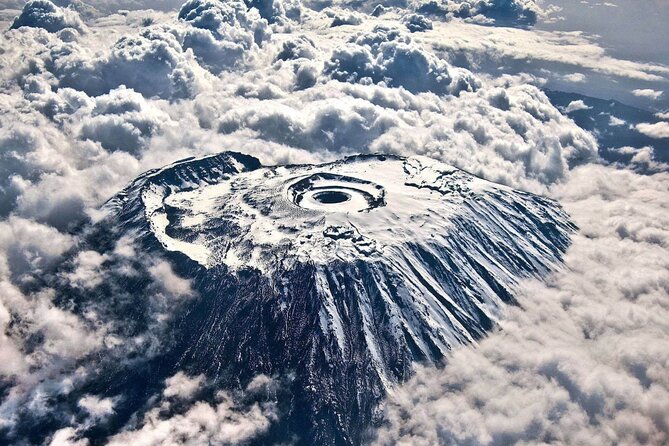
- Lemosho is the scenic choice: You cross six ecological zones, beginning in Afromontane rainforest and finishing in the harsh arctic zone near Uhuru Peak.
- The summit day is long and cold: Expect a pre-midnight departure, Stella Point at 18,652 feet, and Uhuru Peak at 19,341 feet.
- Barranco Wall is a hands-and-feet section: It is not technical climbing, but you should be ready for steep scrambling using all four limbs.
- Comfort comes through Signature Camping: Spacious tents, prepared meals, breakfast, lunch, and dinner are included across the trip.
- The price is $2,670 per person: That is a serious expense, but it covers eight days of guiding, camping, meals, park access arrangements, and transport support.
Why the Lemosho Route earns eight days
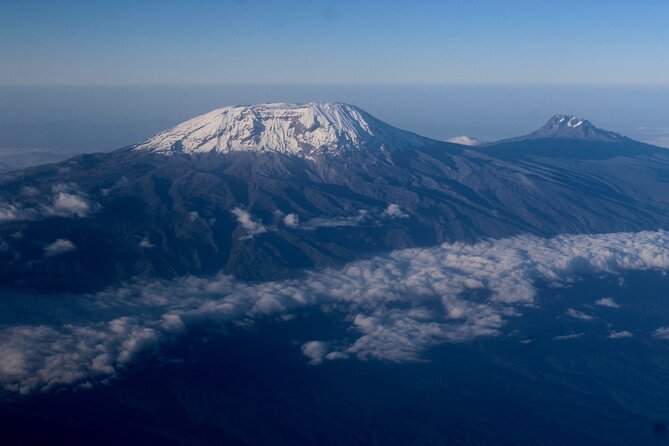
Kilimanjaro is often described as a climb, but most of this trip is a demanding high-altitude hike. You do not need technical climbing skills in the information provided, yet you do need moderate fitness, patience, and the ability to keep moving for long stretches.
Lemosho approaches the mountain from the west through Londorossi Gate. That western start is one of the main reasons to choose it. Instead of beginning in a dry, crowded approach, you enter through forest and gradually move into open moorland and volcanic terrain.
The eight-day format matters. Altitude is the biggest challenge for many people, not the distance alone. The route allows time at Moir Camp, Barranco Camp, and Karanga Camp, with some room for extra acclimatization walks. I would favor this schedule over a shorter plan if your budget and calendar allow it.
The route crosses six ecological zones, moving from Afromontane rainforest to cultivated lower slopes, heath and moorland, alpine desert, and finally the arctic zone near the summit. The changes happen gradually enough that each day feels different.
More Lemosho Route climbs:
- Kilimanjaro climb by Lemosho Route (7-day)
★ 5.0 · 651 reviews - Kilimanjaro Climbing Lemosho Route 8 Days.
★ 5.0 · 186 reviews - Kilimanjaro climb, Lemosho Route (8-day)
★ 5.0 · 148 reviews
Day 1: Londorossi Gate to Forest Camp
Your morning begins with pickup in Arusha and a long vehicle ride to the western trailhead at Londorossi Gate. The climb starts at about 7,742 feet and ends near Forest Camp at 9,498 feet.
The first walking section covers roughly four miles and takes three to four hours. The pace is intentionally gentle. That is good news on day one, when you are still settling into the mountain routine and learning how your body responds to altitude.
The trail enters Afromontane rainforest, a cool and shaded beginning compared with the bare upper mountain. Keep your eyes open for wildlife, though no sightings are promised. Lunch is taken on the trail, and camp is reached in the middle of the afternoon.
I like this first day because it does not try to prove anything. You have time to meet the rest of the crew, walk steadily, and reach camp with energy left. The long drive from Arusha is the less charming part, but it is the necessary price of using Lemosho’s western approach.
Day 2: Forest Camp to Shira 1
The second day climbs from 9,498 feet to about 11,500 feet over five miles. Allow five to six hours, including a trail lunch and the steady change from forest to open mountain country.
You first pass through podocarpus and juniper forest. Higher up, the trees thin out and the route enters heather country, with lichen-covered volcanic rock and broad views toward the Shira Plateau.
Shira was once Kilimanjaro’s third volcanic peak before collapsing. Today it forms one of the mountain’s most memorable high plateaus. From Shira 1 Camp, the view toward Kibo, Kilimanjaro’s main summit, is a major reward.
This is the day when the climb begins to feel less like a forest trek and more like a high mountain journey. The drawback is simple: altitude can begin to affect sleep, appetite, or energy. Walk slowly, drink what your guide recommends, and do not treat a mild headache as something to hide.
Day 3: Across the Shira Plateau to Moir Camp
Day three covers about seven miles, climbing from 11,500 feet to 13,800 feet. The walking time is listed at five to seven hours, with three to four hours crossing the Shira Plateau before lunch.
The plateau is one of the highest broad plateaus on Earth. The route passes through moorland meadows and open volcanic country, with fewer trees and more sky. This is one of the prettiest stretches of the climb, especially if the weather is clear.
After lunch, you continue upward to Moir Camp, also called Moir Hut in the schedule. If you still feel strong, an optional late-afternoon walk into the Lent Hills provides extra time at altitude. That makes this a useful acclimatization day, not just a transfer from one camp to the next.
The optional walk should be treated as optional. Feeling good at 11,500 feet does not guarantee that you will feel good at 13,800 feet. I would save energy rather than chase every extra viewpoint, particularly if your breathing, sleep, or appetite has changed.
A few more options to weigh up in Moshi
- Safari Serengeti And Ngorongoro
★ 5.0 · 288 reviews - Kilimanjaro climb, Machame Route (7-day)
★ 5.0 · 262 reviews - Climbing Kilimanjaro – Machame Route
★ 5.0 · 170 reviews - Climbing Kilimanjaro through 7 days Machame Route
★ 5.0 · 151 reviews
Day 4: Moir Camp, Lava Tower, and Barranco
This is one of the most carefully designed days. You climb from about 13,800 feet to 15,223 feet at Lava Tower, then descend to Barranco Camp at approximately 13,044 feet.
The route crosses Kibo’s upper slopes, where temperature swings and harsh conditions leave little room for plants or animals. Lunch is usually taken near Lava Tower, a volcanic rock formation. A stronger hiker can make an optional ascent of the roughly 300-foot Lava Tower before beginning the descent.
The climb high and sleep lower pattern is useful for acclimatization. It can feel odd to work hard uphill only to lose altitude later, but that rhythm gives your body more exposure to thin air without making you sleep at the day’s highest point.
The descent leads through the Garden of the Senecios, filled with giant groundsels and giant lobelias. These plants look almost out of place in such a severe setting. Barranco Valley is described as one of the prettiest areas on the route, and it is easy to see why: the valley combines unusual vegetation, steep volcanic walls, and high glacial views.
This is also a tiring day. The elevation gain is real, even with the descent, and the optional Lava Tower climb should be skipped if you are struggling.
Day 5: Barranco Wall to Karanga Camp
Day five is shorter in distance, about three miles, but it has one of the route’s most memorable obstacles: Barranco Wall.
You should expect to use your hands and feet while working upward over the wall. It is intimidating from below, but the schedule presents it as a scrambling section rather than technical rock climbing. Your guide will be important here, especially in helping set a calm pace and choose the easiest line.
After the wall, the path rises and falls through the Karanga Valley before reaching camp at about 13,123 feet. The day takes around four to five hours, though the uneven ground can make it feel longer than the mileage suggests.
Karanga Camp is selected for acclimatization value, giving you meaningful time at altitude before the final ascent. Sunset views toward the southern glacial valleys and ice fields can be spectacular, with the ice rising more than 3,000 feet above you.
Do not let the short distance fool you. Barranco Wall uses muscles you may not expect, and the repeated inclines and declines keep the day active. Still, this is a well-placed rest-and-adjustment day before Barafu.
Day 6: Karanga Camp to Barafu Camp
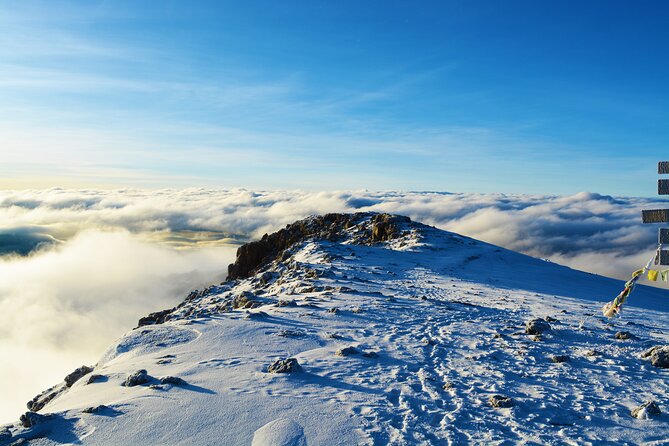
The next half-day takes you to Barafu Camp, at roughly 15,288 feet. The terrain becomes alpine desert, with sparse vegetation, exposed ground, and winds that can cut through your layers.
Lunch is taken at the high camp, followed by time to rest before the summit attempt. Views of Mawenzi Peak can be excellent in the evening, but conditions at Barafu are often severe. This is not a scenic picnic stop. It is a staging camp for the hardest part of the trip.
Dinner is served early, and you rest before the midnight or near-midnight departure. Your sleep may be short or poor. That is normal for the schedule, but it makes the quality of your pacing and preparation even more important.
The supplied itinerary has a confusing line on this day that includes summit and descent elevations, even though the written description places you at Barafu for the night. I would ask Spirit of Kilimanjaro to confirm the exact day assignment, summit route, and descent camp before departure.
Day 7: Stella Point, Uhuru Peak, and the long descent
The summit bid begins just before midnight. This is the coldest and windiest portion of the climb, and patience matters more than speed.
You climb through the darkness toward Stella Point at 18,652 feet. By dawn, the first light should spread across Tanzania, with sunrise over Mawenzi Peak. Reaching Stella Point is a major achievement, but the route continues along the rim to Uhuru Peak, the summit at 19,341 feet.
The final section is relatively short compared with the full ascent, yet at this altitude every step can feel expensive. After a brief celebration at Uhuru Peak, you descend. The schedule indicates a descent of about six miles and three to four hours to an elevation near 5,380 feet, but its figures appear inconsistent with the separate summit-day description. Confirm how much descent is planned on day seven and where you will sleep.
The key practical point is that summit day is not finished at the top. You still need to walk down while tired, cold, and short on sleep. I would focus on steady movement, warm layers, and listening closely to your guide’s instructions.
Day 8: Return to Moshi
The final day brings breakfast, another descent through montane forest, farewell time with the crew, and a transfer back to your hotel in Moshi. A celebratory dinner and a long shower are exactly the sort of small comforts that matter after a week on the mountain.
The schedule lists about ten hours for this final day, which again suggests that the published timing may combine more walking and transfer time than the short description shows. Ask for the expected pickup time, final trailhead, and hotel transfer details.
This is also the moment to remember the crew. The strongest praise connected with this operator focuses on friendly, adaptable guides. Yobu Eliamani Mbwambo received particularly warm recognition for leading an eight-day climb in June 2024. Rama and Paulo were also praised for reading the group’s mood and adjusting the pace, while Rama was named again in connection with a well-organized Lemosho trip.
One important lesson comes from a family experience: altitude sickness affected one mother who could not summit, even though the rest of the trip remained positive. A successful Kilimanjaro trip is not measured only by standing at Uhuru Peak. Good guides also help you descend safely when your body says no.
Camping, meals, and guide support
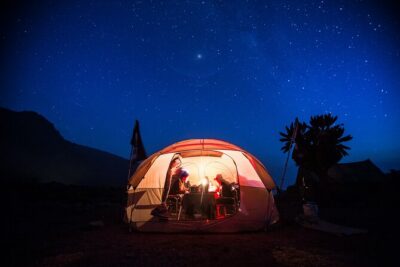
The Signature Camping setup promises spacious tents, greater comfort than basic mountain camping, and prepared meals. Breakfast, lunch, and dinner are included for the trip, with eight breakfasts, nine lunches, and eight dinners listed.
Meals matter more than you might expect. At altitude, appetite can fade, and a reliable hot meal helps you keep going. Lunch is generally taken on the trail, while camp meals give you a more settled routine at the end of the day.
The guide team is one of the strongest reasons to consider this package. Specific accounts praise Spirit of Kilimanjaro for friendly, smiling staff and for adapting to the group rather than forcing one rigid pace. William is also noted for offering preparation advice and an equipment list before the climb.
Still, you should not assume a guide can remove the risks of high altitude. Guides can monitor your condition and help with decisions, but you remain responsible for honest communication about symptoms.
Is $2,670 a fair price?
At $2,670 per person, this is not a budget outing. The price needs to be judged against eight days on Kilimanjaro, guide and crew support, camping, meals, park access arrangements, and pickup and return transport support.
I see the value mainly in the route length and the extra acclimatization time. A shorter climb may cost less, but a rushed schedule can make the summit attempt harder. The Lemosho route also gives you more scenery than a simple upward push, moving from forest to plateau to volcanic desert.
International flights and visas are not included. You should also confirm exactly what hotel nights, equipment, tips, transfers, and any emergency arrangements are covered, since those details are not specified here.
The maximum group size is listed as 100 people. That is a large possible number, although your actual climbing group may be smaller. Ask how groups are divided and how many climbers each guide supports. Personal attention matters most during the summit attempt and when someone shows signs of altitude sickness.
Free cancellation is available if you cancel at least 24 hours before the local start time. Changes or cancellations inside that window are not accepted for a refund.
Who should choose this climb?
I would recommend it to you if you want a scenic route, can commit to eight days, and prefer a patient ascent over a quick summit attempt. It is also a good fit if you value full meal service, spacious tents, and a guide team that can adjust to different moods and fitness levels.
You should think twice if you dislike cold camping, long walks, steep scrambling, or uncertain sleep. Moderate fitness is required, and the summit day will test far more than your ordinary walking routine.
Families can take part, but the altitude risk is serious. The experience of a parent who did not summit shows why the group must accept different outcomes. Reaching Uhuru Peak is wonderful, but a safe return is the real goal.
Should you book the Lemosho climb?
I would book this trip if the eight-day pace, the Lemosho scenery, and the $2,670 cost fit your plans. The strongest points are the gradual route, the changing ecological zones, the extra acclimatization time, and the positive attention given to guides including Yobu, Rama, and Paulo.
Before booking, get the summit and descent schedule clarified in writing. Ask about the likely group size, guide-to-climber ratio, exact camping arrangements, and what the price covers beyond meals and park access. If those answers are clear, Spirit of Kilimanjaro offers a practical way to attempt Africa’s highest summit without treating the mountain like a race.
FAQ
Where does the climb start?
The route starts at Londorossi Gate in Kilimanjaro National Park, after pickup and a drive from Arusha.
How high is Uhuru Peak?
Uhuru Peak is listed at 19,341 feet. The route reaches Stella Point first, at approximately 18,652 feet, before continuing along the rim.
How long is the tour?
The experience lasts approximately eight days.
What meals are included?
Breakfast, lunch, and dinner are included. The package lists eight breakfasts, nine lunches, and eight dinners.
Are international flights and visas included?
No. International flights and visas are not included in the price.
What fitness level is required?
The tour states that you should have a moderate physical fitness level. The route includes long walking days, high-altitude camping, the Barranco Wall, and a cold summit attempt beginning just before midnight.
Just added in Moshi
- Zanzibar: Stone Town tour and Nakupenda beach with Lunch★ 5.0 · 1 review
- day trip lake manyara★ 5.0 · 2 reviews
- Mt Kilimanjaro 6 days Marangu route hike★ 5.0 · 3 reviews
- machame route★ 5.0 · 16 reviews
- Private Cycle to Kilimanjaro Bike Park Safari★ 5.0 · 6 reviews
- West Kilimanjaro cycling Adventures★ 4.5 · 8 reviews
- Wildlife Extravaganza: Manyara, Tarangire & Ngorongoro in 3 Days★ 5.0 · 3 reviews
- 3 Days Private E-Bike Tour in West Kilimanjaro★ 5.0 · 3 reviews
Lemosho Route Climbs, compared.

8-Day Small-group Lemosho Kilimanjaro Summit Trekking
Read our review →


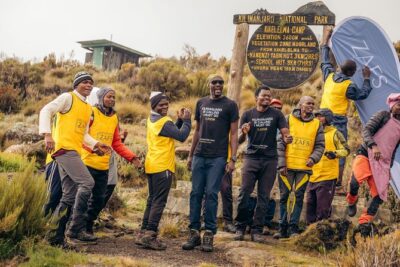
Climbing Kilimanjaro through 8 days Lemosho Route
Read our review →Browse the lists this tour appears in