
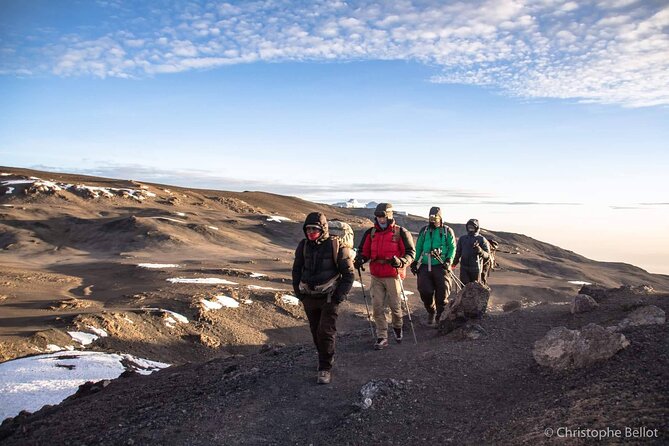
Reviewed · LEMOSHO ROUTE CLIMBS
8 Day Kilimanjaro Private Climb via Lemosho Route
The mountain saves its biggest test for last. This 8-day private climb with Kilimanjaro Heroes Adventures uses the scenic Lemosho route, a gradual approach with varied scenery, high camps, and a carefully timed acclimatization schedule. You begin with rainforest and monkeys, cross open moorland and rocky high country, then make the midnight push to Uhuru Peak at 5,895 meters.
I like the extra acclimatization time built into the plan, especially the high walk to Lava Tower followed by a lower night at Barranco. I also like the private format, since your own group can move at a comfortable pace and receive more personal attention from the guide team. The main consideration is the physical demand: summit day lasts about 12 hours, and the cold, altitude, exposed camps, and long descent are serious tests.
In This Review
- Key points at a glance
- Why the Lemosho route is a smart choice
- Arrival in Moshi and the first briefing
- Day 2: From Londorossi Gate to Mti Mkubwa
- Day 3: Moorland, streams, and Shira 2 Camp
- Day 4: Lava Tower at 4,630 meters, then Barranco
- Day 5: The Barranco Wall and Karanga Valley
- Day 6: Barafu Camp and preparation for the summit
- Day 7: Uhuru Peak and the long descent
- Day 8: Mweka Gate and a welcome shower
- The guides, porters, and personal service
- Is $3,250 good value?
- Who should choose this climb?
- Should you book the 8-day Lemosho climb?
- FAQ
- Where does the climb begin?
- How long is the Kilimanjaro climb?
- Is this a private tour?
- What level of fitness do I need?
- How high is Uhuru Peak?
- What happens after reaching the summit?
- What is the cancellation policy?
Key points at a glance
- Lemosho begins in remote rainforest: The first hiking day reaches Mti Mkubwa Camp through forest, with a chance to spot colobus monkeys.
- Lava Tower helps with acclimatization: You climb to 4,630 meters, then sleep lower at Barranco Camp, a smart altitude pattern.
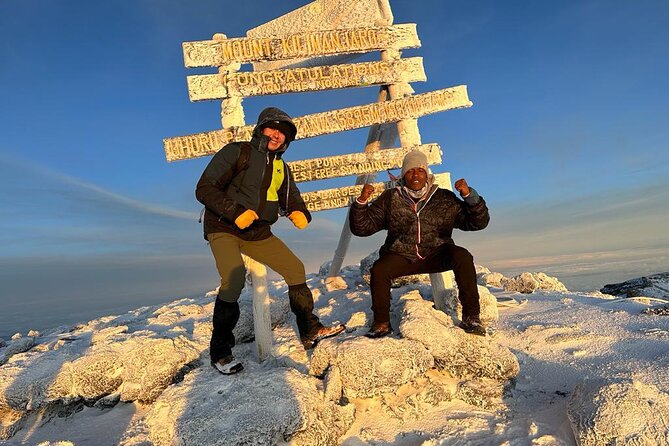
- Summit night starts just after midnight: Expect a dark, cold climb of about six hours to Stella Point, then another hour or two to Uhuru Peak.
- The final day ends with a proper reset: After Mweka Gate, you return to Keys Hotel in Moshi for a shower, drink, debrief, and certificate.
- The private setup feels personal: Only your group participates, and past climbers praised guides and crew members including Emanuel, Wence, Nyokaa, Mality, and Tammy.
- The $3,250 price buys a full mountain program: Airport pickup, hotel night, guiding, porters, camps, meals described in the itinerary, and park access are part of the overall arrangement, but confirm the exact inclusions before paying.
Why the Lemosho route is a smart choice
Kilimanjaro is not a technical climbing mountain on this route, but it is a high-altitude trek with a demanding summit day. The route you take matters because your body needs time to adjust as you gain height.
Lemosho is appealing because it begins away from the busier lower approaches. The first days move through rainforest, heather, moorland, semi-desert, and volcanic rock. You get changing scenery instead of one long uphill slog through the same type of country.
The schedule also uses a useful climb-high, sleep-lower pattern. On Day 4, you reach Lava Tower at 4,630 meters, then descend to Barranco Camp at 3,950 meters. That descent gives your body time to respond to the altitude before you move higher again.
I would choose this eight-day version over a shorter plan if you can spare the time and cost. The extra day is not wasted. It gives you a gentler rate of ascent and a short hiking day at Karanga before the summit attempt.
More Lemosho Route climbs:
- Kilimanjaro climb by Lemosho Route (7-day)
★ 5.0 · 651 reviews - Kilimanjaro Climbing Lemosho Route 8 Days.
★ 5.0 · 186 reviews - Kilimanjaro climb, Lemosho Route (8-day)
★ 5.0 · 148 reviews
Arrival in Moshi and the first briefing
Your trip begins with a meet-and-greet at Kilimanjaro International Airport. A driver takes you to Keys Hotel in Moshi, where you have a briefing, dinner, and overnight stay.
The hotel is on Uru Road, about 300 meters from the YMCA Hotel premises. That detail is useful because it prevents a small arrival-day headache if you are trying to find the correct property.
This first night gives you a chance to meet the guide, ask questions, and prepare for the mountain. You can also use the briefing to check your equipment and clarify the pace, camping arrangements, meals, and summit plan.
The start time is listed as 8:00 a.m. at Kilimanjaro Airport. Since airport arrivals vary, confirm the pickup details directly before your flight. Pickup is offered, and the activity provides a mobile ticket, which is convenient when you are moving between airport, hotel, and park gate.
Day 2: From Londorossi Gate to Mti Mkubwa
After breakfast, you drive toward the Lemosho starting point. Near the village by Londorossi Gate, you receive a packed lunch and can buy mineral water before entering the park.
The final 45 minutes of driving takes place on a rough forest track. A four-wheel-drive vehicle is needed for this section, so do not expect a smooth transfer right to the trailhead.
At the gate, guides and porters organize supplies and register with the Tanzania National Parks Authority. Then the walking begins with roughly three hours through rainforest to Mti Mkubwa, or Big Tree, Camp at 2,750 meters.
This is a pleasant first hike because the forest gives you shade and a gradual introduction to the mountain. Keep an eye out for colobus monkeys. The camp is reached in the early evening, with tents already set up and the mountain crew handling drinking and washing water.
The day takes about seven hours including the drive and park formalities. It is not an all-out test, but you should still conserve energy. The point is to begin slowly, not to prove anything on the first afternoon.
Day 3: Moorland, streams, and Shira 2 Camp
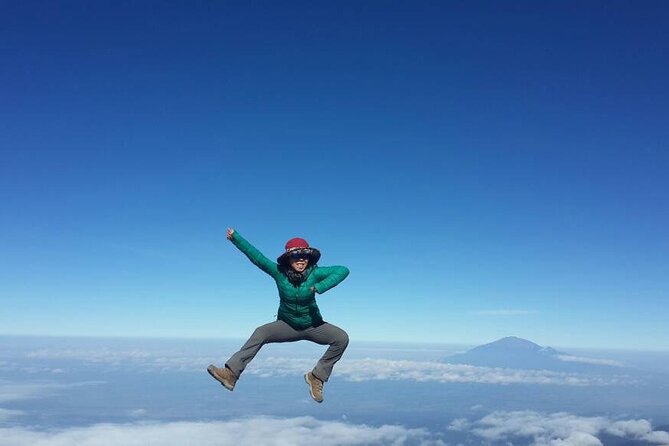
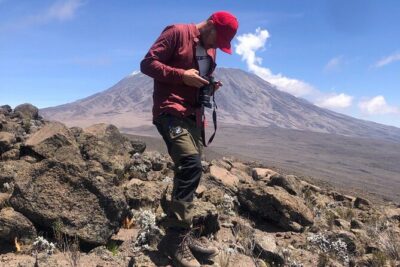
The trail leaves the rainforest and enters the heather moorland zone. This change in vegetation is one of the pleasures of Lemosho, since the scenery opens up and you begin to feel the scale of Kilimanjaro.
You cross streams and walk across a plateau toward Shira 2 Camp at 3,840 meters. The route takes about nine hours, making this a longer day than the first.
Shira 2 sits beside a stream with views toward the Western Breach and its glaciers. It is an exposed camp, and temperatures can fall below freezing at night. The tents are prepared before you arrive, while the porters bring water for drinking and washing.
This is where simple comforts become important. Dry socks, warm layers, and a good sleeping bag matter more than fancy extras. You should also keep your water close and follow the guide’s advice about drinking and pacing.
The combination of a longer walking day and a cold night makes Day 3 a real step up. Still, it puts you in a good position for the high-altitude acclimatization walk that follows.
A few more options to weigh up in Moshi
- Safari Serengeti And Ngorongoro
★ 5.0 · 288 reviews - Kilimanjaro climb, Machame Route (7-day)
★ 5.0 · 262 reviews - Climbing Kilimanjaro – Machame Route
★ 5.0 · 170 reviews - Climbing Kilimanjaro through 7 days Machame Route
★ 5.0 · 151 reviews
Day 4: Lava Tower at 4,630 meters, then Barranco
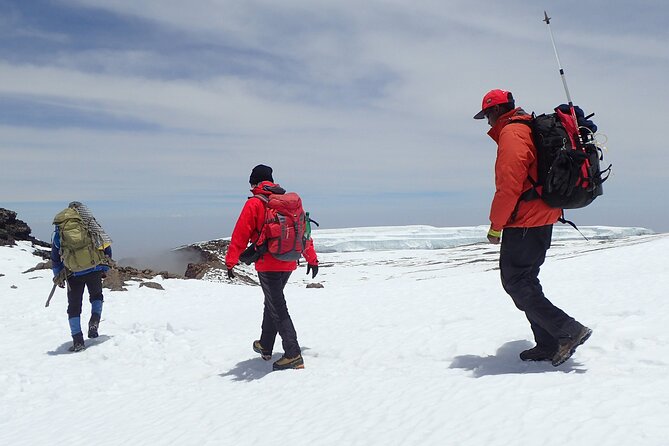
Day 4 is the route’s key acclimatization day. You leave the moorland and enter a rocky, semi-desert zone, walking east for about five hours toward Lava Tower.
At 4,630 meters, Lava Tower is high enough for many people to notice the altitude. Headaches and shortness of breath can begin here. That does not automatically mean something is wrong, but you must report symptoms to your guide and avoid treating the climb as a race.
Packed lunch is served at the tower. If weather allows, you may have the option to climb the massive Lava Tower itself, though the itinerary makes clear that this is optional.
After lunch, you descend to Barranco Camp at 3,950 meters. The change in elevation is roughly 680 meters, and sleeping lower after reaching Lava Tower is the important part of the day. This is a good example of why the eight-day route earns its place on your shortlist.
Barranco is not simply a place to sleep. It prepares you for the next morning’s Great Barranco Wall, which can look alarming from below.
Day 5: The Barranco Wall and Karanga Valley
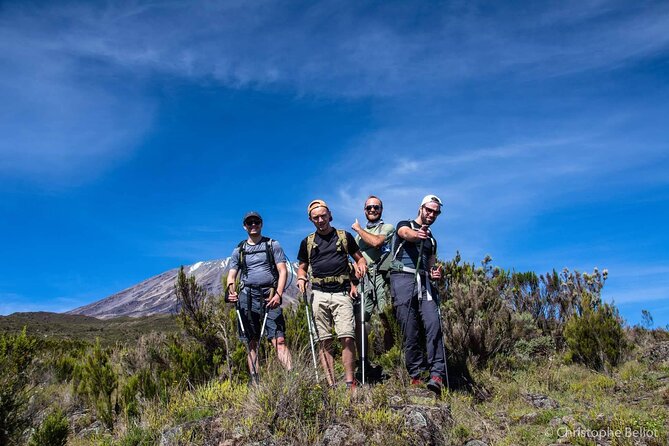
This is a shorter hiking day, about five hours, and it exists mainly to help with acclimatization. After breakfast, you tackle the Great Barranco Wall.
The wall looks steep and intimidating, but the route is described as a Class 2 hike and is generally easier than it first appears. You should still use care, follow the guide’s instructions, and keep your hands free as much as possible.
At the top, you can see Heim Glacier and look out over the clouds. The trail then rises and falls through Karanga Valley before reaching Karanga Camp at 3,950 meters.
The distance may be shorter, but this day is not effortless. The wall involves uneven ground and some hands-on movement, while the repeated ups and downs through the valley can tire your legs.
I like the placement of this day. You gain an exciting section of trail without being forced into another long march. You also spend another night at nearly the same elevation before moving toward Barafu.
Day 6: Barafu Camp and preparation for the summit
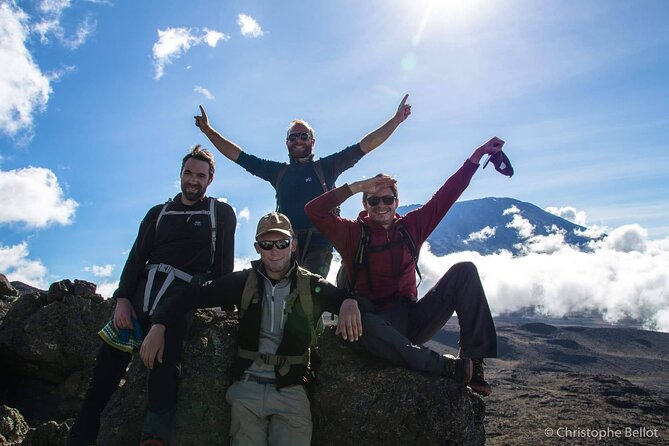
After breakfast, you climb toward Barafu Camp at 4,550 meters. The trail joins the Mweka Route, which you will use for the descent during the final two days.
After about an hour beyond the junction, you reach Barafu Hut. This is the last water stop for the porters because there is no accessible water at Barafu Camp. The camp sits on a rocky, exposed ridge, and the tents are subject to wind and rough ground.
Arrive before dark if possible so you can understand the camp layout and organize your gear. A headlamp is essential for this reason, as well as for the summit attempt.
Dinner is served early, followed by a guide briefing. The plan is to sleep by about 7:00 p.m. before setting out just after midnight. That early bedtime can be difficult, especially at altitude, but even a short rest helps.
This is not a sightseeing afternoon. Treat it as a recovery period. Eat, drink, organize your summit layers, and rest.
Day 7: Uhuru Peak and the long descent
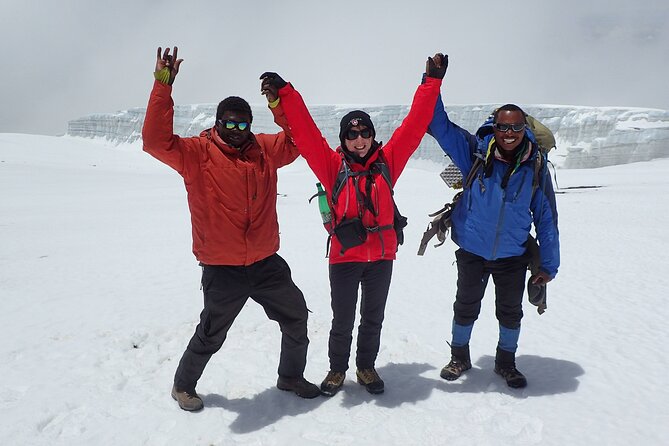
Summit day begins in darkness and cold. You climb volcanic dust by headlamp toward Stella Point on the crater rim, a journey of about six hours.
The sun should rise around the time you reach Stella Point. From there, you continue for another hour or two to Uhuru Peak, the highest point on Kilimanjaro at 5,895 meters.
The summit moment is likely to be brief. You have a short break for photos and congratulations, then begin the descent. The downhill section can be steep and dusty, and the volcanic ash may have thawed by then, making the footing different from the frozen surface you climbed earlier.
You stop at Barafu for tea, then continue for about three hours to Mweka Camp at 3,080 meters. The full day takes roughly 12 hours, so the descent is not a minor add-on. It is a major part of the effort.
Drink plenty of fluids and eat a solid supper at Mweka. Your legs will have worked hard, and the lower elevation should help you recover, but do not expect to feel fresh immediately.
Day 8: Mweka Gate and a welcome shower
The final morning begins with a traditional farewell ceremony from the porters. You then walk for about three hours through the forest to Mweka Gate.
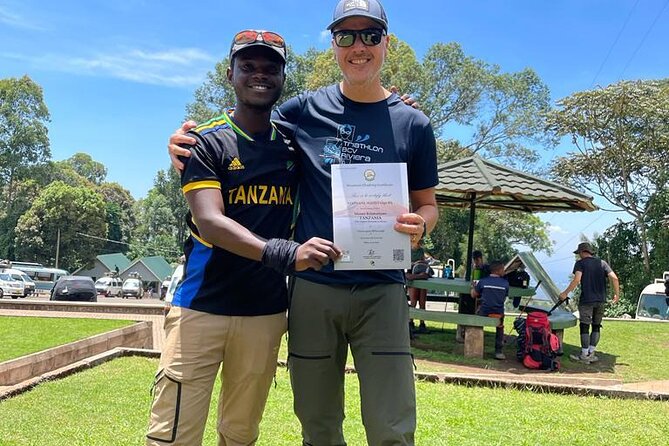
At the gate, your driver takes you back to Keys Hotel in Moshi. A hot shower, cold drink, debrief, and achievement certificate are waiting there.
This finish matters. After a summit day and a night at Mweka, returning to a hotel gives you a clear transition from mountain life back to town. It is also a useful time to discuss the climb with the team and make sure you have everything before leaving.
The guides, porters, and personal service
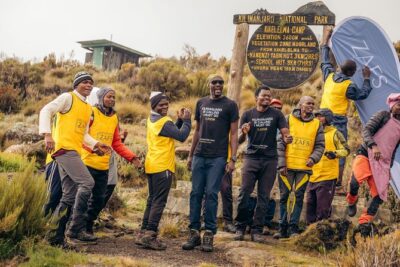
The strongest theme from the available feedback is the care shown by the guides and porters. Several crew members receive specific praise, including Emanuel, Wence, Nyokaa, Mality, Tammy, Good Luck, David, Siza, Manu, and others.
You should not assume a particular guide will be assigned to you, but the repeated names give you a useful sense of the company’s staff culture. The comments describe a small Tanzanian company, personal service, cheerful support, attention to comfort, and a strong sense of teamwork.
That matters on Kilimanjaro. A guide is not just someone who points toward the trail. Your guide controls the pace, watches for altitude problems, explains the route, and helps you make sensible decisions when you are tired.
The private format should also help if your group has a particular pace or needs more time at breaks. It does not make the mountain easy, but it can make the day feel less hurried.
Is $3,250 good value?
At $3,250 per person, this is a significant purchase. The value depends on what you want from a Kilimanjaro climb and what the final price includes in your booking agreement.
The package includes airport pickup, a Moshi hotel night, park entry tickets, guides, porters, camps, and meals described throughout the route. You also receive transport back to Keys Hotel, a debrief, and a certificate after the climb.
The eight-day length is part of the value. A slower ascent usually gives you more time to adjust than a compressed schedule, and the Lava Tower to Barranco section shows that the plan is designed around acclimatization rather than speed.
Before booking, ask for a written list of inclusions. Confirm the hotel arrangements, meals, drinking water, equipment support, transfers, park fees, and any costs not covered by the $3,250 price. Also ask how tips are handled, since the mountain crew is central to the experience and tipping arrangements can vary.
The tour has a five-star rating with 100 percent recommendation from 17 ratings, but a small sample is still a small sample. I would treat that as encouraging evidence of strong service, not as a guarantee that every climb will go perfectly.
Who should choose this climb?
This route suits you if you have moderate physical fitness, can walk for several hours on consecutive days, and are prepared for a long summit night. The route is especially suitable for first-time Kilimanjaro climbers who prefer a gradual schedule.
It also fits solo climbers or couples who want private attention rather than a large shared group. One solo climber originally expected to join a group and ended up alone, finding the personal format especially helpful.
You may want a different plan if you dislike cold camping, rough roads, steep descents, or early starts. The summit day is the key warning: setting out after midnight and walking for about 12 hours is a serious challenge even for fit people.
Free cancellation is available up to 24 hours before the experience start time for a full refund. Cancellations or changes made within 24 hours are not accepted for a refund, so check the local cutoff time before finalizing plans.
Should you book the 8-day Lemosho climb?
I would choose this trip if you want a private, carefully paced route with strong scenery and a full acclimatization schedule. The rainforest start, Shira plateau, Lava Tower, Barranco Wall, and Mweka descent give you a varied week rather than a simple uphill route.
The best reason to book is the combination of route design and personal service. The main reason to hesitate is the cost and the physical strain, especially the cold summit night and long descent.
Ask detailed questions about inclusions, request the latest pickup instructions, and prepare properly for altitude and cold. If you can handle those demands and value a smaller Tanzanian-led operation, this eight-day Lemosho plan is a strong choice for reaching Uhuru Peak.
FAQ
Where does the climb begin?
The experience begins with pickup at Kilimanjaro International Airport in Tanzania. You then go to Keys Hotel in Moshi for a briefing, dinner, and overnight stay.
How long is the Kilimanjaro climb?
The full experience lasts approximately eight days, including the arrival night in Moshi and the return to Keys Hotel after the descent.
Is this a private tour?
Yes. Only your group participates in the activity, which allows for a more personal format than a large shared departure.
What level of fitness do I need?
A moderate level of physical fitness is required. The route includes several hiking days, high-altitude camps, a midnight summit start, and a summit day lasting about 12 hours.
How high is Uhuru Peak?
Uhuru Peak is 5,895 meters above sea level. The climb reaches Stella Point first, then continues for another hour or two to the summit.
What happens after reaching the summit?
After a short break for photos and congratulations, you descend to Barafu for tea and then continue to Mweka Camp at 3,080 meters for the night.
What is the cancellation policy?
You can cancel at least 24 hours before the experience start time for a full refund. Cancellations or changes made less than 24 hours before the start time are not refunded.
Just added in Moshi
- Zanzibar: Stone Town tour and Nakupenda beach with Lunch★ 5.0 · 1 review
- machame route★ 5.0 · 16 reviews
- day trip lake manyara★ 5.0 · 2 reviews
- Mt Kilimanjaro 6 days Marangu route hike★ 5.0 · 3 reviews
- Private Cycle to Kilimanjaro Bike Park Safari★ 5.0 · 6 reviews
- West Kilimanjaro cycling Adventures★ 4.5 · 8 reviews
- Wildlife Extravaganza: Manyara, Tarangire & Ngorongoro in 3 Days★ 5.0 · 3 reviews
- 3 Days Private E-Bike Tour in West Kilimanjaro★ 5.0 · 3 reviews
Lemosho Route Climbs, compared.


8-Day Small-group Lemosho Kilimanjaro Summit Trekking
Read our review →



Climbing Kilimanjaro through 8 days Lemosho Route
Read our review →Browse the lists this tour appears in