
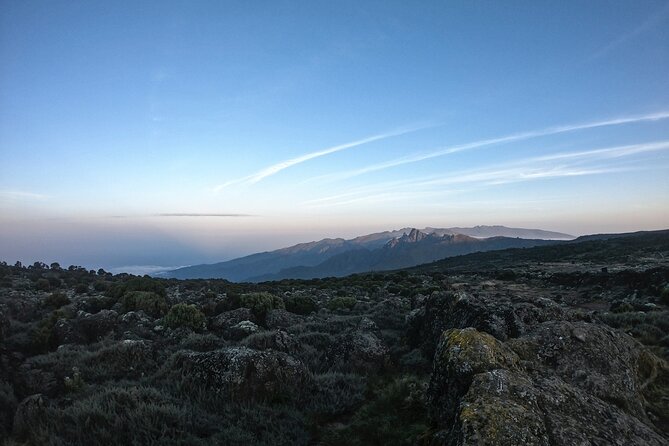
Reviewed · LEMOSHO ROUTE CLIMBS
8 Days Climbing Mt.Kilimanjaro (Lemosho Route)
Kilimanjaro rewards patience, not speed. This 8-day Lemosho Route climb gives you a gradual approach to Uhuru Peak, with changing vegetation, broad views across the Shira Plateau, and a full support crew handling tents, meals, water, and camp duties.
I like the route’s careful acclimatization pattern, especially the high Lava Tower section followed by a descent to Barranco Camp. I also like the small private-group format, which lets you walk at your own pace instead of being tied to a large crowd.
The main consideration is that this is still a demanding high-altitude climb, not a comfortable walking holiday. The advertised price is $2,300 per person, but you should confirm every inclusion in writing, including hotel nights, rental gear, tips, and the exact crew arrangement.
In This Review
- Key points to know before you book
- Why the Lemosho Route earns eight days
- Day 1: Lemosho Gate to Mti Mkubwa Camp
- Day 2: Mti Mkubwa to Shira 1
- Day 3: Shira 1 to Shira 2
- Day 4: Shira 2, Lava Tower, and Barranco
- Day 5: Climbing the Barranco Wall to Karanga
- Day 6: Karanga to Barafu Camp
- Day 7: Barafu to Uhuru Peak and Mweka Camp
- Day 8: Mweka Camp to the gate and Moshi
- What the $2,300 price really covers
- Guides, porters, meals, and camp comfort
- Gear, altitude, and practical preparation
- Who should book this private climb
- Should you book the Lemosho Route climb?
- FAQ
- How long is the Kilimanjaro climb?
- What route does the climb use?
- Is accommodation included?
- Are meals included?
- Is climbing gear provided?
- Is this a private activity?
Key points to know before you book
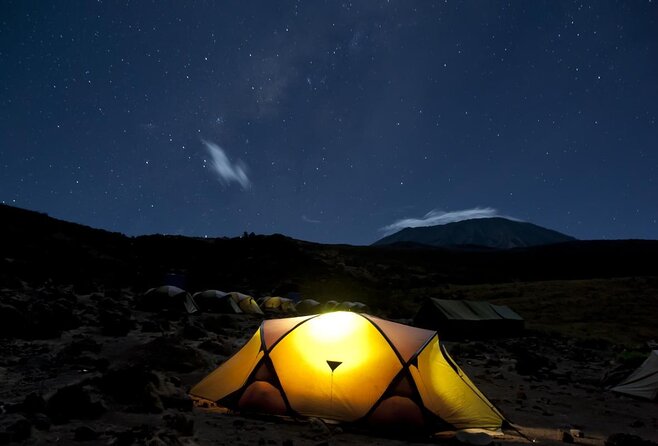
- Eight days gives your body more time to adjust: The route climbs gradually and includes a high-altitude day at Lava Tower before descending to Barranco.
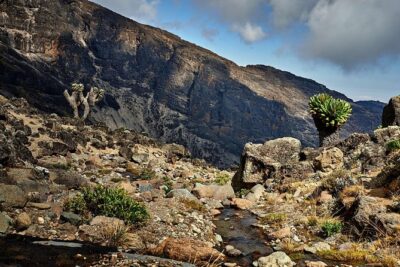
- The scenery changes dramatically: You move from montane forest to giant heather, moorland, semi-desert, alpine desert, and back to forest.
- The support setup is substantial: Guides, porters, a cook, waiter, tents, mattresses, meals, boiled water, first aid, rescue fees, and pulse oximeters are included.
- Summit day is the real test: You leave Barafu Camp around midnight to 2 a.m., reach Stella Point, then continue toward Uhuru Peak.
- The climb is private: Only your group participates, with small groups intended to keep the pace flexible.
- Extra costs need attention: Tips, personal gear, visas, emergency oxygen, unspecified drinks, and two hotel nights are not included.
Why the Lemosho Route earns eight days
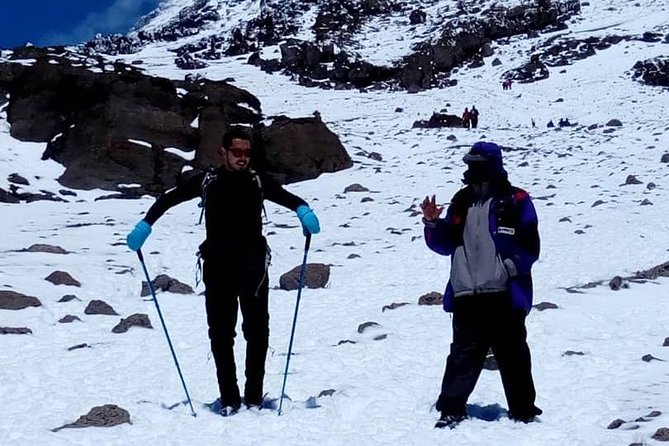
Lemosho is a strong choice if you want more than the shortest possible path to the summit. The early stages pass through forest and moorland, while the route later crosses the Shira Plateau and joins the southern circuit toward Barranco, Karanga, and Barafu.
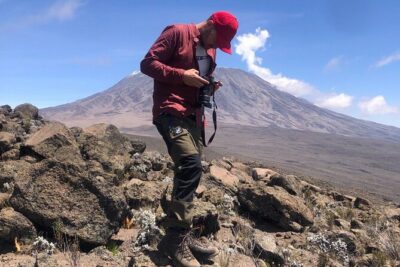
That variety matters. You are not staring at the same trail for a week. The vegetation changes with altitude, and the route offers different views of Kibo, Kilimanjaro’s main volcanic cone, from several angles.
The eight-day schedule also helps with pacing. You gain height in measured stages rather than rushing upward. Day 4 is especially useful: you climb toward Lava Tower at about 4,650 meters, then descend to Barranco Camp at roughly 4,000 meters. That climb high, sleep lower pattern is valuable preparation for summit night.
The route is not easy simply because it takes eight days. Altitude can affect anyone, regardless of fitness. You will need to walk slowly, listen to your guide, drink the supplied boiled water, and report symptoms early.
More Lemosho Route climbs:
- Kilimanjaro climb by Lemosho Route (7-day)
★ 5.0 · 651 reviews - Kilimanjaro Climbing Lemosho Route 8 Days.
★ 5.0 · 186 reviews - Kilimanjaro climb, Lemosho Route (8-day)
★ 5.0 · 148 reviews
Day 1: Lemosho Gate to Mti Mkubwa Camp
After breakfast and a briefing, the trip begins with a drive toward Lemosho Park Gate. A 4WD vehicle takes you along a forest track to the Lemosho Glades, where you begin walking.
The first hike is short by Kilimanjaro standards: about 6 kilometers, taking two to three hours. You rise from 1,830 meters to 2,650 meters and sleep at Mti Mkubwa, which means Big Tree Camp.
This is a pleasant introduction to the trek. The montane forest gives you shade, and the walking time leaves room to settle into the rhythm of the mountain. Lunch and dinner are provided.
You should not treat this day as a warm-up to ignore. Use it to check your boots, layers, water system, and daypack. A small problem with footwear or clothing is easier to fix near the start than above 4,000 meters.
Day 2: Mti Mkubwa to Shira 1
The trail steepens as you leave the forest behind and enter the giant heather moorland zone. Several stream crossings lead toward Shira Ridge, followed by a gentler descent to Shira 1 Camp beside a stream on the plateau.
The day covers about 8 kilometers and takes four to five hours. Elevation rises from 2,650 meters to 3,500 meters.
This is where the climb begins to feel properly alpine. The trees thin out, the air becomes cooler, and the views open. You gain a meaningful amount of height, so the correct pace is slow and steady.
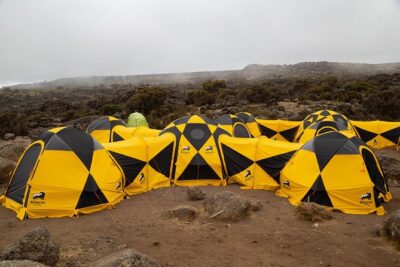
Breakfast, lunch, and dinner are included. The presence of a cook and waiter means you are not preparing food after a tiring walk, but remember that camp life remains basic. Tents, a dining tent, small camping chairs, tables, and candles are supplied.
Day 3: Shira 1 to Shira 2
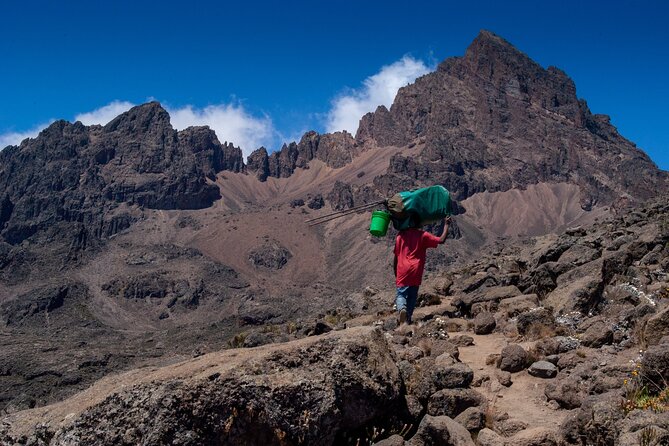
Day 3 is a gentle traverse across the Shira Plateau to Shira 2 Camp. The distance is again about 8 kilometers, with four to five hours of walking, and the camp sits around 3,850 meters.
The plateau is one of the most appealing parts of the route. It gives you open mountain views and a sense of space that is missing in the forest. You can also take one of several optional hikes across the plateau, making this a useful acclimatization day rather than a simple transfer between camps.
I would use this day conservatively. You may feel strong because the walking is manageable, but the altitude is already significant. A relaxed pace, warm clothing at camp, and a good dinner will help more than trying to prove your fitness.
A few more options to weigh up in Moshi
- Safari Serengeti And Ngorongoro
★ 5.0 · 288 reviews - Kilimanjaro climb, Machame Route (7-day)
★ 5.0 · 262 reviews - Climbing Kilimanjaro – Machame Route
★ 5.0 · 170 reviews - Climbing Kilimanjaro through 7 days Machame Route
★ 5.0 · 151 reviews
Day 4: Shira 2, Lava Tower, and Barranco
This is the route’s key acclimatization day. From Shira 2, you climb east along a ridge, pass the junction toward Kibo, and continue southeast toward Lava Tower, also called Shark’s Tooth, at about 4,650 meters.
The trail then passes a junction toward Arrow Glacier before descending to Barranco Camp. The day covers roughly 8 kilometers and takes five to six hours. You finish near 4,000 meters, close to where you began in altitude, but the high point gives your body useful exposure before the summit attempt.
The habitat changes to semi-desert, with a stark, rocky feel. This is a day to follow the guide’s rhythm and avoid racing uphill. Headaches, nausea, unusual tiredness, and poor coordination should be reported immediately.
Barranco is also the point where the mountain feels more serious. You are high, the weather can turn cold, and the next morning brings the Barranco Wall.
Day 5: Climbing the Barranco Wall to Karanga
The route leaves Barranco Camp by climbing the Barranco Wall. The trail continues to the Karanga Valley and reaches the junction connecting with the Mweka Trail.
This is a short day, about 5 kilometers and three to four hours, with camp around 4,050 meters. The terrain is classified as alpine desert.
The Barranco Wall can look intimidating from camp, but the practical challenge is less about distance than careful movement. You should keep both hands available when needed, follow the guide’s line, and take your time. The short schedule is welcome because you need energy for the next stage.
Karanga is part of the southern circuit and helps position you for Barafu. Meals remain included, and the crew’s work becomes especially useful here. You can finish the walk, eat, organize your summit clothing, and rest without having to manage a full camp kitchen.
Day 6: Karanga to Barafu Camp
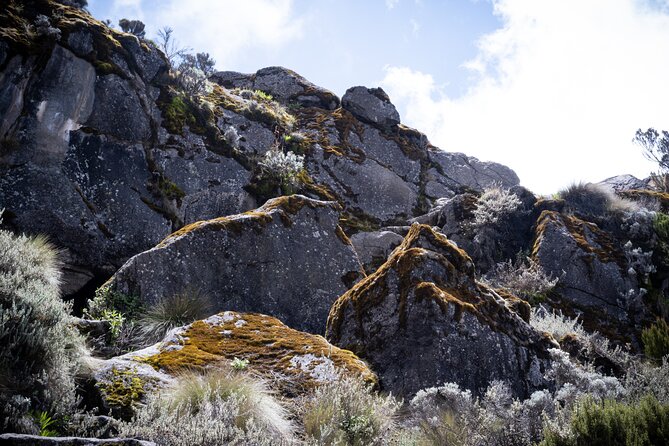
The trail climbs from Karanga to Barafu Camp, covering only about 4 kilometers in three to four hours. The elevation rises from 4,050 meters to approximately 4,700 meters.
You have now completed the South Circuit, which provides views of the summit from different directions. Barafu is the launch point for the summit attempt, so the day is less about sightseeing than preparation.
After arriving, you rest, eat dinner, and organize your clothes and equipment for a midnight to 2 a.m. departure. Keep your headlamp, warm layers, gloves, water, snacks, and trekking poles easy to reach.
This is often an awkward afternoon. You may not feel sleepy, yet you need to rest before the hardest walking of the trip. Follow the guide’s instructions and do not spend the evening wandering around camp.
Day 7: Barafu to Uhuru Peak and Mweka Camp
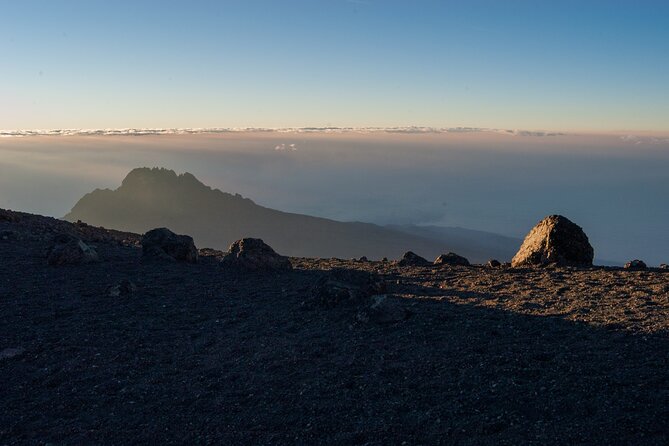
Summit day is the demanding centerpiece. You leave very early and climb northwest between the Rebmann and Ratzel glaciers, moving over heavy scree toward Stella Point on the crater rim.
The ascent is mentally and physically tough. The darkness, cold, thin air, and loose ground can make the distance feel longer than it looks. Your guide’s job is important here, particularly in keeping the pace controlled and watching how you are coping.
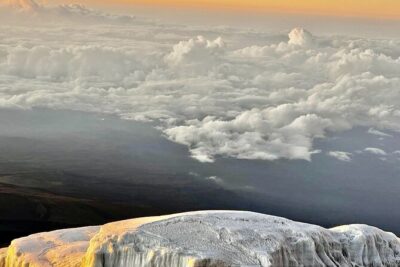
At Stella Point, you get a short rest and, if conditions cooperate, a sunrise over the mountain. From there, the route may have snow, and the final ascent to Uhuru Peak takes about an hour according to the schedule.
The supplied itinerary gives six hours for the summit section, but summit-day timing can vary with pace and conditions. After reaching Uhuru Peak, you descend to Mweka Camp, making this a very long day that combines the climb and a major descent.
Do not save all your energy for the summit photograph. The descent is tiring and can be hard on knees and feet. Trekking poles are useful, and you should keep rain gear and warmer clothing accessible rather than buried in your main luggage.
Day 8: Mweka Camp to the gate and Moshi
The final day is a 10-kilometer descent from about 3,090 meters to 1,680 meters. Walking takes three to four hours through forest habitat.
The lower trail may be wet and muddy. Gaiters and trekking poles are specifically useful, while shorts and a T-shirt may be comfortable at lower elevations. Still, keep rain gear and warmer clothing within reach because mountain weather can change.
At Mweka Gate, you receive your summit certificates. A Monkey Adventures vehicle then takes you back to your Moshi hotel, with the drive listed at about 60 minutes.
This last transfer is included in the practical design of the trip. You finish the climb, collect your certificate, and return to town without arranging separate transport.
What the $2,300 price really covers
At $2,300 per person, the value depends on how much support you want. The package includes national park entry fees, rescue fees, qualified guides, porters, a cook, waiter, tents, sleeping mattresses, a mess tent, camp furniture, meals, cutlery, boiled water, first aid, and pulse oximeters.
That is a substantial list. Park fees alone are a major part of a Kilimanjaro climb, and carrying camping equipment, food, and water requires a sizable mountain crew. For you, the practical benefit is simple: you can focus on walking and recovery.
The price does not include guide, porter, cook, and waiter tips. Meals and drinks not specified, personal items, visas, climbing gear, and emergency oxygen are also excluded.
Two nights of accommodation before and after the trek are listed separately at $50 for a full-body rate at Kili Base Hotel. Confirm whether that $50 figure applies per night, per person, or to another arrangement before paying.
There is also a serious payment warning to handle carefully. One account connected to this operator alleges that $4,600 was taken in advance, while the advertised per-person price is $2,300. That does not establish what happened in that individual case, but it is enough reason to request a written invoice, payment schedule, cancellation terms, hotel details, and a breakdown of the total before sending a large deposit.
Guides, porters, meals, and camp comfort
The crew is central to this experience. The strongest praise centers on personal care, summit support, clear planning, and the effort of guides, cooks, porters, and waiters.
Names associated with particularly positive trips include Edward, Haji, Mariki, Tulzia, Geoffrey, Musa, Jonathan, Adam, Fabian, Moses, Kaniki, Seif, and Teacher. You should confirm your own guide team before departure, since the names connected with past climbs do not guarantee who will lead your group.
The operator supplies meals three times daily on the mountain, along with boiled water. You should still ask how dietary needs are handled, since the supplied details do not specify vegetarian, vegan, allergy, or religious meal arrangements.
The camp equipment is more organized than a simple tent-only setup. You get sleeping mattresses, a dining tent, small camping chairs, tables, candles, and cutlery. A basic toilet arrangement should not be confused with hotel comfort. One account specifically suggested improving toilet facilities, so ask what sanitation setup will be available at each camp.
Gear, altitude, and practical preparation
Rental gear is not included, but the company offers to take you to a local hiking store and help you find rental equipment at good prices. That can be useful if you do not want to buy a complete high-altitude kit.
You should clarify what is available before relying on rental support. The information does not provide a rental list, so ask specifically about sleeping bags, warm jackets, waterproof layers, trekking poles, gaiters, gloves, headlamps, and backpacks.
The route moves from 1,830 meters to 5,895 meters at Uhuru Peak, although the itinerary gives the camp elevations rather than the summit elevation. You need clothing for heat, rain, cold, wind, and possible snow.
The supplied medical setup includes first aid and pulse oximeters. Emergency oxygen is not included. This is an important distinction, and you should ask how altitude illness is assessed and what evacuation procedures apply if you cannot continue.
Who should book this private climb
This trip suits you if you want a private climb with a longer schedule, full mountain support, and a route that changes scenery often. It also suits people who prefer a local operator and want help arranging rental gear in Moshi.
The experience is not a fit if you want private rooms, easy access to showers, predictable weather, or a relaxed walking pace every day. Most participants can take part, but the climb still demands good preparation and the ability to handle several hours of walking at altitude.
A private group can be a real advantage. You can move at your own pace and receive more direct attention than you might in a large departure. At the same time, you should not assume private means solitary. Your group will still rely on a guide and a mountain crew, and the trail has other climbing parties.
Free cancellation is available if you cancel at least 24 hours before the start time. Changes within 24 hours are not accepted, and poor weather may lead to a different date or a full refund.
Should you book the Lemosho Route climb?
I would consider booking this climb if the operator gives you a clear written contract and you are comfortable with the extra costs. The eight-day route has a sensible acclimatization pattern, excellent scenery, and strong support on paper.
Before committing, confirm the full price, deposit, hotel nights, crew names, tipping expectations, rental gear, toilet arrangements, dietary options, and emergency procedures. If those answers are vague, choose a different company.
For a prepared climber who values scenery, a gradual route, and attentive local support, this is a promising way to approach Kilimanjaro. For anyone hoping to simply arrive and be carried through the hard parts, the mountain will quickly correct that plan.
FAQ
How long is the Kilimanjaro climb?
The experience lasts approximately eight days, including the final descent from Mweka Camp to the park gate and the transfer back to the Moshi hotel.
What route does the climb use?
The climb uses the Lemosho Route, beginning near Lemosho Park Gate and continuing through Mti Mkubwa, Shira 1, Shira 2, Barranco, Karanga, Barafu, Uhuru Peak, and Mweka Camp.
Is accommodation included?
Tents and sleeping mattresses on the mountain are included. Two hotel nights before and after the trek are listed separately at $50 for a full-body rate at Kili Base Hotel.
Are meals included?
Breakfast, lunch, and dinner are included on the mountain. The final day includes breakfast. Drinks and meals not specifically listed are not included.
Is climbing gear provided?
Personal climbing gear is not included. The operator offers to take you to a local hiking store to arrange rental equipment at local prices.
Is this a private activity?
Yes. Only your group participates, and the climb is offered in small groups so you can walk at your own pace.
Just added in Moshi
- THE BEST 2 DAYS ON TREK – MARANGU ROUTE TOUR ADVENTURES★ 5.0 · 1 review
- Mount Kilimanjaro National Park Day Trip★ 5.0 · 7 reviews
- Mount Kilimanjaro Climbing in Tanzania Full-Day Trip★ 5.0 · 1 review
- Mount Kilimanjaro Day Hike – All-Inclusive, No Hidden Fees★ 4.0 · 7 reviews
- Mount Kilimanjaro Trekking Tour – Climb with Local Guides★ 5.0 · 1 review
- Mount Kilimanjaro: 7 Days Hike Lemosho Route★ 5.0 · 1 review
- Moshi:Chemka Hot Springs, Materuni Waterfalls & Coffee Tour★ 5.0 · 1 review
- Moshi Town: Walking Tour: Theme Urban lifestyle★ 3.1 · 4 reviews
Lemosho Route Climbs, compared.
8-Day Small-group Lemosho Kilimanjaro Summit Trekking
Read our review →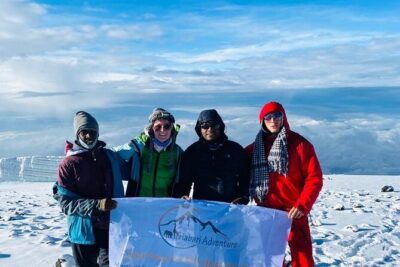
Climbing Kilimanjaro through 8 days Lemosho Route
Read our review →Browse the lists this tour appears in