
Reviewed · LEMOSHO ROUTE CLIMBS
Mt.kilimanjaro Lemosho Route
Kilimanjaro rewards patience more than speed. This seven-day Lemosho Route climb takes you from the western side of Kilimanjaro National Park across the Shira Plateau, past Lava Tower and Barranco Wall, and finally to Uhuru Peak at 5,895 meters. I like the careful altitude plan, which sends you high for acclimatization before bringing you down to sleep. I also like the strong guide support, with guides such as Ayubu, Qamrish, Edwin, Panta, and Fred praised for safety, encouragement, food, and good judgment.
The main caution is simple: this is a serious high-altitude trek, not a long walk with a scenic finish. Several days run for around 12 hours, the summit attempt starts at night, and weather can change quickly. You need a moderate level of fitness, patience, and a willingness to walk slowly when the mountain demands it.
In This Review
- Key points to know before booking
- Why the Lemosho Route works well in seven days
- Day 1: Londorossi Gate and the Shira Plateau
- Day 2: Shira 1 to Shira 2, with a Lava Tower practice walk
- Day 3: Lava Tower and the descent to Barranco
- Day 4: Barranco Wall and Karanga Camp
- Day 5: Barafu Camp and the quiet before summit night
- Day 6: Uhuru Peak at 5,895 meters
- Day 7: Millennium Camp, Mweka Gate, and the finish
- Guides, food, and the human side of the climb
- Is $2,256.42 a fair price?
- Who should book this climb?
- FAQ
- How long is the Mt. Kilimanjaro Lemosho Route experience?
- Where does the experience begin?
- What is the highest point reached?
- Is the climb private?
- What level of fitness is required?
- Is the Barranco Wall a technical climb?
- Do guides provide special support during the summit attempt?
- Can I cancel for a full refund?
- Should you book it?
Key points to know before booking
- The route begins high: An off-road transfer reaches about 3,500 meters on the first day, giving you quick access to the Shira Plateau but also making early acclimatization important.
- Lava Tower is the key altitude test: You climb to 4,630 meters for lunch, then descend to Barranco Camp at 3,960 meters.
- Barranco Wall looks worse than it is: The climb takes about an hour and follows a simple hiking trail, though early departure helps avoid crowds.
- Summit support is personal: Each pair of climbers receives a personal guide during the night ascent to monitor physical and mental condition.
- The final day brings fast relief: After Uhuru Peak, you descend through Millennium Camp to Mweka Gate and finish with certificates at the company office.
- The price reflects a private climb: At $2,256.42 per person, the cost includes a private group format, pickup, permits and park procedures, mountain staff, camps, meals mentioned in the schedule, and summit support.
Why the Lemosho Route works well in seven days
The Lemosho Route is a smart choice for climbers who want a gradual approach rather than a rushed march toward the summit. The first days cross the Shira Plateau, then the route makes a broad arc toward Lava Tower, Barranco, Karanga, and Barafu. That pattern gives you repeated chances to climb higher during the day and sleep lower at night.
The seven-day schedule is still demanding, but it is sensibly arranged. Day two includes a short acclimatization hike toward Lava Tower. Day four adds another hike toward Barafu. Day five includes a climb toward Kosovo Summit Camp before returning to Barafu. These extra uphill walks may sound tiring, but they help your body adjust before summit night.
I especially value the route’s use of altitude practice rather than simply adding distance. Kilimanjaro’s main challenge is not technical climbing. The company describes the summit route as technically simple, but the thin air can make every step feel important. A good schedule and a guide who watches your pace can make a real difference.
More Lemosho Route climbs:
- Kilimanjaro climb by Lemosho Route (7-day)
★ 5.0 · 651 reviews - Kilimanjaro Climbing Lemosho Route 8 Days.
★ 5.0 · 186 reviews - Kilimanjaro climb, Lemosho Route (8-day)
★ 5.0 · 148 reviews
Day 1: Londorossi Gate and the Shira Plateau
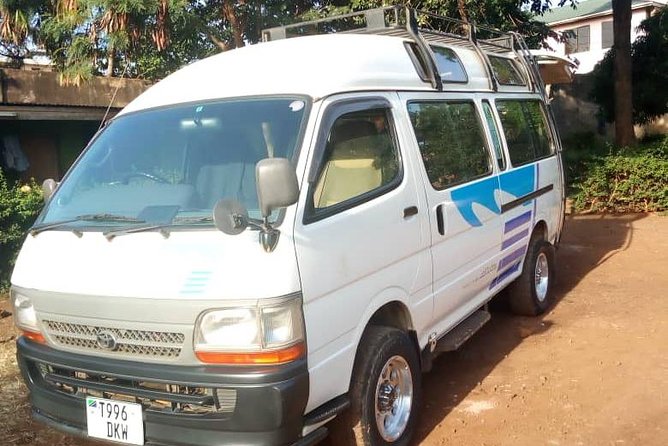
Your guide and mountain support crew meet you at your hotel in the morning for another briefing. You then travel by vehicle for roughly three to four hours to Londorossi Gate, the western entrance to Kilimanjaro National Park.
The gate formalities include permits and registration with the search and rescue service. After that, off-road vehicles carry the group farther uphill, reaching about 3,500 meters. This unusual start means you do not spend the first day walking from low elevation through every vegetation zone. Instead, you quickly reach the western high country and see the Shira Plateau.
The walk to Shira 1 Camp is relatively gentle, with only a small gain in height from the vehicle drop-off. That sounds easy, but arriving at around 3,500 meters on your first trekking day can still feel unusual. I would treat this as a testing day, not a free pass. Walk slowly, drink as advised by your guides, and pay attention to how your body responds.
The appeal here is the sense of space and the first clear mountain views. The drawback is the long approach by road, followed by a high starting point. If you are sensitive to altitude, this day may feel more demanding than its walking distance suggests.
Day 2: Shira 1 to Shira 2, with a Lava Tower practice walk
You leave Shira 1 Camp at about 3,505 meters and walk to Shira 2 Camp at 3,900 meters. The route is described as light trekking, so this should be one of the more manageable days in terms of effort.
The scenery and plant life become part of the reward. Weather permitting, Shira 2 is also a good place to see Mount Meru, identified here as Africa’s fifth summit. That view gives the day a useful sense of scale. You are not only climbing one famous mountain. You are moving through a high African setting with another major peak in view.
After lunch and a two-hour rest, you complete an acclimatization hike toward Lava Tower, gaining about 200 meters before returning to camp. This is a classic climb high, sleep lower idea. You get your body used to a higher elevation without spending the night there.
The day is listed at roughly 12 hours, though that total includes resting and the additional acclimatization walk. The practical lesson is to keep your energy in reserve. A relaxed pace now is more useful than trying to prove your fitness early in the week.
Day 3: Lava Tower and the descent to Barranco
Day three is one of the most important parts of the climb. After breakfast, you leave Shira 2 and head toward Lava Tower at 4,630 meters. The route rises and falls repeatedly, and the high point can bring discomfort even to fit climbers.
Lunch is taken at Lava Tower, with the group spending one to two hours above 4,600 meters. That time matters for acclimatization. You then descend to Barranco Camp at 3,960 meters, a drop that should feel welcome after the high stop.
This is a long and physically demanding day, but it is well designed. You experience a higher altitude before sleeping lower, and the descent gives your body a break. I would not judge your summit chances by how you feel at Lava Tower. Temporary headache, breathlessness, or tiredness can occur at that height, and your guide’s response is important.
Barranco Camp provides one of the trip’s memorable sights: the Barranco Wall. It looks steep and imposing from below. The next morning, you climb it, but the route is described as simple hiking rather than technical climbing. That distinction matters. You need steady feet and a calm attitude, not specialist climbing skills based on the information provided.
A few more options to weigh up in Moshi
- Safari Serengeti And Ngorongoro
★ 5.0 · 288 reviews - Kilimanjaro climb, Machame Route (7-day)
★ 5.0 · 262 reviews - Climbing Kilimanjaro – Machame Route
★ 5.0 · 170 reviews - Climbing Kilimanjaro through 7 days Machame Route
★ 5.0 · 151 reviews
Day 4: Barranco Wall and Karanga Camp
The day begins early, which is sensible. Leaving Barranco Camp sooner helps your group avoid some of the crowding that can develop on the wall. The climb takes around an hour and gives you a close look at the rock face before opening views toward Kibo volcano.
After the wall, the route to Karanga Camp becomes harder. You face repeated ascents and descents rather than one long, steady climb. This kind of trail can be tiring because your legs do not settle into a single rhythm.
The guides are expected to choose a pace suited to the group. That is one of the strongest reasons to use an organized private climb rather than treat Kilimanjaro as a solo challenge. The trip’s praised guide team includes Ayubu and Qamrish, who were credited with careful support and attention to safety and comfort. Edwin is also singled out for helping keep a summit goal alive during changeable weather.
At Karanga Camp, you receive a warm lunch and rest for a couple of hours. The day then adds another acclimatization walk toward Barafu Camp, gaining about 200 meters before returning. It may seem odd to walk uphill after reaching camp, but this practice is part of the route’s careful altitude strategy.
Day 5: Barafu Camp and the quiet before summit night
You leave Karanga after breakfast and climb to Barafu Summit Camp at 4,640 meters. Barafu is the launch point for the night climb to Uhuru Peak, so the mood changes here. The walking is no longer only about reaching the next camp. You are preparing for the most demanding section.
The mountain team sets up the tents and sleeping bags in advance, allowing you to settle in rather than handle camp tasks yourself. After resting, you walk toward Kosovo Summit Camp at about 4,800 meters and then return to Barafu.
This short acclimatization outing adds more time at altitude, but it also uses energy. The schedule sensibly leaves the rest of the day for a hot dinner, sleep, and recovery. I would take that instruction seriously. Save your conversation, photographs, and excitement for later. Summit night comes quickly.
This is also where the quality of the support crew matters most. The experience has been praised for warm meals and thoughtful touches, including pizza prepared by chef Panta during one climb. Food cannot remove altitude sickness, but a hot meal and dependable camp routine can help you keep going when conditions are cold and tiring.
Day 6: Uhuru Peak at 5,895 meters
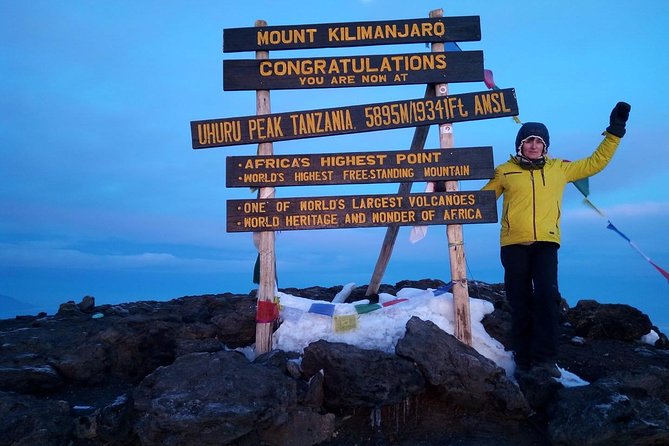
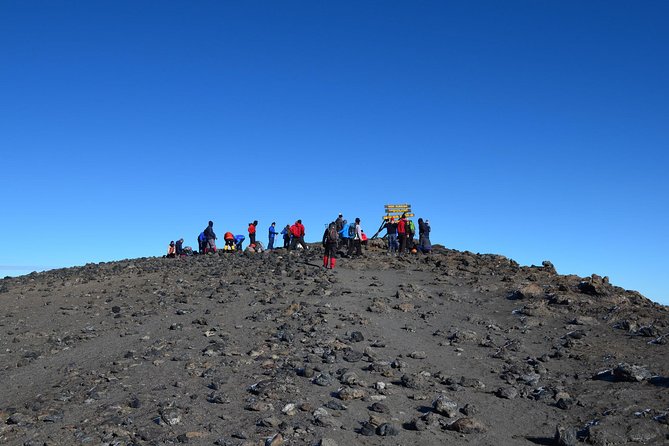
You leave Barafu at night for Uhuru Peak, the highest point on Mount Kilimanjaro. The route is technically straightforward, but the altitude makes it the toughest day by far.
Each pair of climbers receives a personal guide for the ascent. That arrangement is valuable because summit night is not the time to hide how you feel. The guide can watch your physical and mental state, help set a slow pace, and judge when you need a pause. Reaching the top is important, but returning safely is the real goal.
After Uhuru Peak, you can descend to the nearest glacier if desired. The schedule then returns you to Barafu Camp, where you rest for about two hours before continuing to Millennium Camp at 3,820 meters.
This is an exceptionally long day. The schedule gives it around 12 hours, but the combination of a night start, summit climb, return to Barafu, and further descent makes it the day you should prepare for most carefully. The variable weather described by the climbers is another reminder that summit success is never guaranteed. Edwin’s ability to adjust during changing conditions was a notable strength, but no guide can control wind, cloud, or altitude.
Day 7: Millennium Camp, Mweka Gate, and the finish
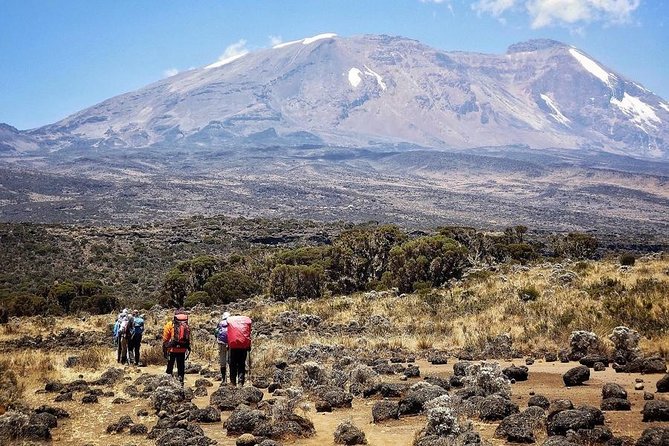
Millennium Camp sits in tropical rainforest at about 3,820 meters. After the stark heights above Barafu, the lower elevation should bring a clear sense of relief. Breakfast follows, then you descend to Mweka Gate at 1,650 meters.
The final walk is more than a formality. It lets your body return to a much kinder altitude while the week’s effort catches up with you. At the gate, the group gathers for congratulations, and you can add your thoughts to the company guestbook.
The experience ends at the company office, where commemorative certificates are presented. A transfer then takes you back to your hotel. This finish is practical and pleasant, particularly after the long descent. You do not have to arrange your own transport immediately after leaving the park.
Guides, food, and the human side of the climb
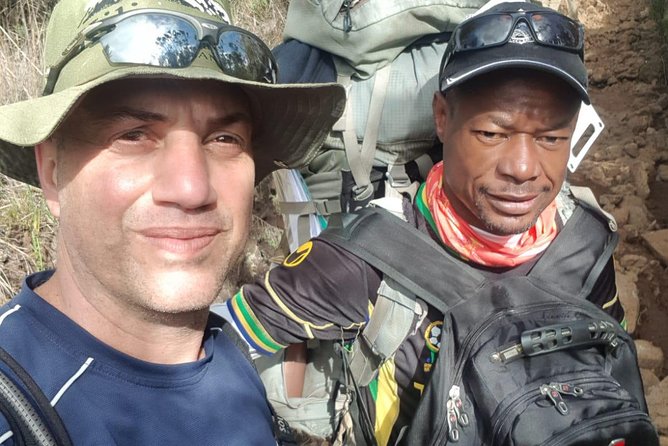
The strongest part of this experience is its guide team. Ayubu and Qamrish are praised for support, safety, and comfort. Edwin is associated with flexible decision-making in poor and changing weather. Fred is remembered for a warm welcome, while chef Panta earned praise for producing pizza on the mountain.
Those details matter because Kilimanjaro is a team effort. The tents, sleeping bags, meals, pace, altitude checks, and summit decisions all shape your week. A route can look perfect on paper, but the people managing the difficult moments determine how it feels in practice.
The service can also be booked at a superior level, with lodges and campsites described as particularly strong. That option may suit you if you care about comfort before and after the climb and are willing to spend more, though the supplied price of $2,256.42 is already the listed per-person cost for this experience.
Because the activity is private, only your group participates. That gives the guide team a better chance to adjust the pace and support to your party, rather than fitting everyone into a large mixed group. It may also make the experience more personal, though the schedule remains physically demanding.
Is $2,256.42 a fair price?
The value depends on what you want from a Kilimanjaro climb. This is not simply a seven-day walk. The price covers a private activity, hotel pickup, national park procedures, a guide and mountain support crew, tents and sleeping bags prepared at Barafu, meals described in the daily schedule, summit assistance, and a return transfer to your hotel.
The private format and individual summit support are the most meaningful value points for me. At high altitude, close attention matters more than small comforts. A lower-cost group may suit someone focused only on price, but this package is aimed at a more supported climb.
I would still confirm exactly what is included before paying, especially if you are comparing operators. The supplied information does not give a detailed gear list or a full breakdown of meals and transfers. Those omissions do not make the price poor, but they are good reasons to ask precise questions before departure.
Who should book this climb?
I would recommend it to a fit adult who wants a structured, private Kilimanjaro experience and values close guide support. It suits someone who can handle long trekking days, an overnight summit attempt, and several nights at high elevation.
It is less suitable if you want a relaxed holiday, dislike early starts, or expect a technically easy walk with no altitude risk. The route is not presented as technical climbing, but that does not make it easy. Your moderate fitness level must include the ability to walk uphill and downhill for extended periods.
The free cancellation policy allows a full refund if you cancel at least 24 hours before the start time. Changes or cancellations inside that window are not refunded, and poor weather may lead to a new date or a full refund. That is useful protection, given the mountain’s changing conditions.
FAQ
How long is the Mt. Kilimanjaro Lemosho Route experience?
The climb lasts approximately seven days.
Where does the experience begin?
The experience is based in Moshi, Tanzania, with pickup offered from your hotel. The trekking approach begins at Londorossi Gate, the western entrance to Kilimanjaro National Park.
What is the highest point reached?
The summit is Uhuru Peak at 5,895 meters.
Is the climb private?
Yes. Only your group participates in the activity.
What level of fitness is required?
A moderate level of physical fitness is required. The itinerary includes long days, repeated uphill and downhill sections, high-altitude camps, and a night summit attempt.
Is the Barranco Wall a technical climb?
The route up Barranco Wall is described as a simple hiking trail and takes about an hour. The wall looks steep, but the activity is not presented as technical climbing.
Do guides provide special support during the summit attempt?
Yes. Each pair of climbers receives a personal guide for the ascent to monitor physical and mental condition.
Can I cancel for a full refund?
Yes, if you cancel at least 24 hours before the experience start time. Cancellations made less than 24 hours in advance are not refunded. Poor weather may result in a different date or a full refund.
Should you book it?
Book this Lemosho climb if you want a private, carefully paced route with strong personal support and you accept the real demands of Kilimanjaro. The best reasons are the altitude planning, the private group format, and the guide team’s clear role in safety and morale.
I would choose it for a climber who values people and preparation over a bargain price. If you are ready for the night summit, the long days, and the uncertainty of mountain weather, this seven-day route offers a well-shaped path to Uhuru Peak with a useful mix of challenge, scenery, and support.
Just added in Moshi
- Zanzibar: Stone Town tour and Nakupenda beach with Lunch★ 5.0 · 1 review
- day trip lake manyara★ 5.0 · 2 reviews
- Mt Kilimanjaro 6 days Marangu route hike★ 5.0 · 3 reviews
- machame route★ 5.0 · 16 reviews
- Private Cycle to Kilimanjaro Bike Park Safari★ 5.0 · 6 reviews
- West Kilimanjaro cycling Adventures★ 4.5 · 8 reviews
- Wildlife Extravaganza: Manyara, Tarangire & Ngorongoro in 3 Days★ 5.0 · 3 reviews
- 3 Days Private E-Bike Tour in West Kilimanjaro★ 5.0 · 3 reviews
Lemosho Route Climbs, compared.


8-Day Small-group Lemosho Kilimanjaro Summit Trekking
Read our review →



Climbing Kilimanjaro through 8 days Lemosho Route
Read our review →Browse the lists this tour appears in