Reviewed · GUIDED
8-Day Private Guided Tanzania Safari with Pick Up
The wild heart of Tanzania fits into eight busy days. This private safari links Tarangire, Lake Manyara, the Serengeti, and Ngorongoro with a flexible 4×4, a pop-up roof, and a guide focused on finding animals. I like the private format, which lets you adjust start times, and I like the strong mix of wildlife: elephants and baobabs, flamingos and tree-climbing lions, the Serengeti migration, and a possible rhino sighting in Ngorongoro.
The main drawback is the amount of driving. You cover large distances, and several days combine road time with six or eight hours of game viewing. At $3,000 per person, the trip can offer good value if your price includes the deluxe accommodation level, but you should confirm the exact lodging category before booking.
In This Review
- Four things to know before you book
- What $3,000 buys you in northern Tanzania
- Day 1: A soft landing in Arusha
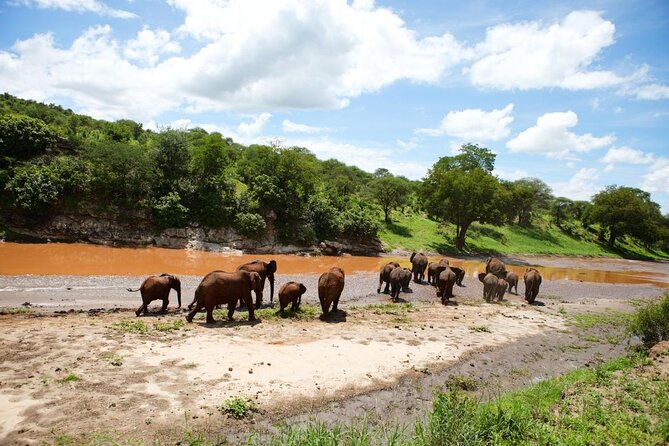
- Day 2: Tarangire’s elephants and baobabs
- Day 3: Lake Manyara’s compact wildlife zone
- Day 4: Crossing the Ngorongoro Highlands to the Serengeti
- Day 5: A full eight-hour Serengeti game drive
- Day 6: Leaving the Serengeti for Ngorongoro
- Day 7: Down into Ngorongoro Crater
- Day 8: A simple departure morning
- Private transport, meals, and comfort
- Who should book this safari?
- FAQ
- Where does the safari begin?
- Is this a private tour?
- Which national parks and protected areas are included?
- Are meals included?
- How much do the optional visits cost?
- Can the daily start times change?
- Should you book it?
Four things to know before you book
- Four major wildlife areas in one trip: Tarangire, Lake Manyara, Serengeti, and Ngorongoro all appear on the route.
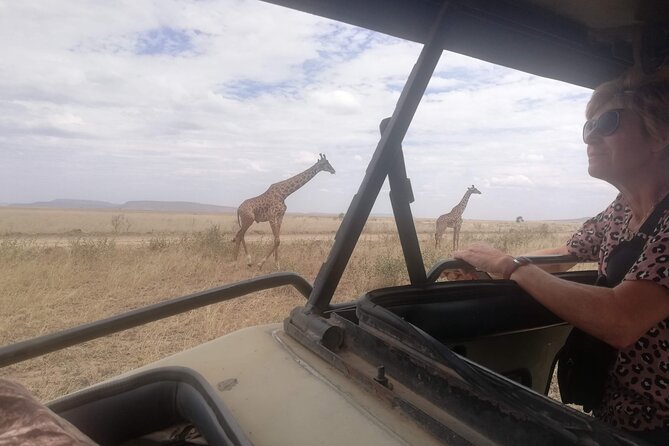
- Private 4×4 travel: Your group has its own vehicle, guide, guaranteed window seat, and pop-up roof for game viewing.
- Migration timing matters: The Serengeti is always worthwhile, but the wildebeest migration changes location with the season.
- Long safari days: Expect about six hours of game drives on several days, with an eight-hour full day in the Serengeti.
- Optional cultural stops: Olduvai Gorge costs $50, and the Maasai village visit costs $20.
- Flexible daily starts: The suggested times can change, which helps if you want an early wildlife drive or a slower morning.
What $3,000 buys you in northern Tanzania
At $3,000 per person, this is not a bargain-basement safari. It is priced as a private, multi-park trip with transportation, park fees, meals, airport pickup, a professional English-speaking guide, and accommodation included. Those costs add up quickly in Tanzania, especially when Serengeti and Ngorongoro fees are part of the package.
The value depends heavily on your accommodation choice. The trip is offered in deluxe, comfort, or budget versions. The budget option includes camping equipment, including tents, mattresses, and sleeping bags. The published route also names Tulia Hotel in Arusha, Lobo Lodge or Seronera Wildlife Lodge near the Serengeti, and a lodge on the Ngorongoro crater rim.
That range is important. A $3,000 safari with comfortable lodges is a different deal from a $3,000 safari using the budget camping option. Ask for the exact hotels and camps for your dates, along with the number of nights in each category. Also ask if the migration’s location could change the Serengeti lodging.
The price includes seven breakfasts, five dinners, and six lunches. Dinner is not included on the first and seventh nights, though it is available at Tulia Hotel. Water is supplied at 1.5 liters per person per day, so you may want to confirm how easy it is to buy more.
A few more options to weigh up in Moshi
- Kilimanjaro climb by Lemosho Route (7-day)
★ 5.0 · 651 reviews - Safari Serengeti And Ngorongoro
★ 5.0 · 288 reviews - Kilimanjaro climb, Machame Route (7-day)
★ 5.0 · 262 reviews
Day 1: A soft landing in Arusha
Your arrival day is deliberately light. You can be collected at Kilimanjaro International Airport or Arusha Airport and taken to Tulia Hotel in Arusha. From Kilimanjaro Airport, the drive is about one hour to one hour and 20 minutes, depending on traffic. From Arusha Airport, the transfer takes about 20 to 30 minutes.
This is a useful first day after a long flight. You can rest, swim, and get organized before the early safari rhythm begins. Meals are not included, but the hotel serves food à la carte. The driver can suggest a restaurant and take you there, which is handy if you arrive tired and do not want to solve dinner on your own.
If you arrive with energy, you can visit the Cultural Heritage Center, about 20 minutes from Arusha. It is an art gallery and shop, so this is more of a gentle introduction to local art than a full cultural tour. Drinking water is provided at airport pickup.
Day 2: Tarangire’s elephants and baobabs
Pickup from Tulia Hotel is scheduled for 8:30 a.m. The drive to Tarangire National Park takes about two and a half hours, with arrival at the gate near 11 a.m. That is a fair amount of road time before the first proper game drive, but the park rewards the effort.
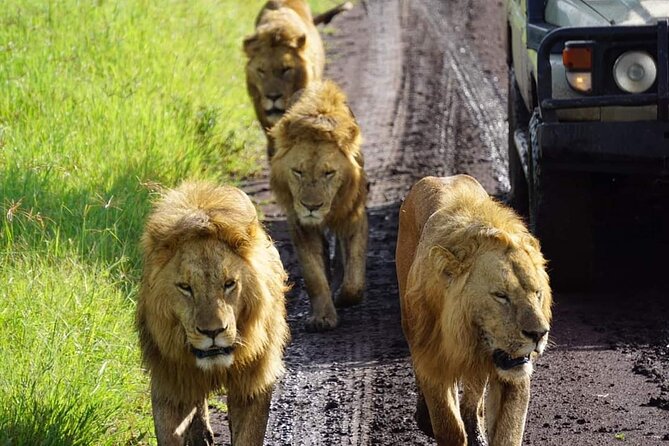
Tarangire is known for large elephant herds and its striking baobab trees. The Tarangire River draws animals during the dry season, and you might find elephants, giraffes, hippos, buffaloes, zebras, wildebeest, lions, and hyenas. The itinerary allows roughly six hours in the park, including a picnic lunch.
You leave around 5 p.m. and drive about an hour to accommodation in Karatu. The route passes through Maasai lands, giving you a look at the countryside between the parks rather than only a succession of gates and lodges.
One practical tip is worth following: avoid dark-colored clothing. The tour information specifically advises this, and light, neutral clothing is also more comfortable in a dusty vehicle. Bring a hat, sunglasses, sunscreen, and a light layer for changing temperatures.
Day 3: Lake Manyara’s compact wildlife zone
After breakfast, you leave around 8:30 a.m. and reach Lake Manyara National Park near 9 a.m. The park day lasts about six hours, with a picnic lunch at a designated site.
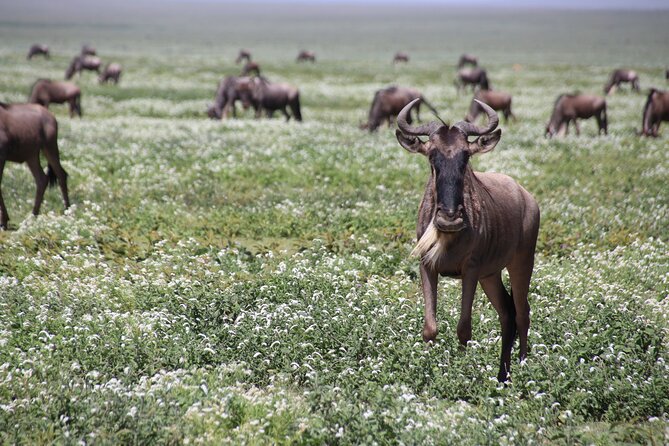
Lake Manyara is a smaller park than the Serengeti, but its wildlife can be rewarding because the route brings together forest, open areas, and the lake itself. You might see elephants, giraffes, hippos, buffaloes, zebras, wildebeest, and monkeys. Flamingos gather around the lake in season, and the park is famous for lions that sometimes climb trees.
That last sight is never guaranteed, so keep your expectations sensible. The appeal is the range of habitats packed into a relatively short visit, not a promise that every famous animal will appear.
You leave around 3 p.m. for Karatu, a drive of about 30 minutes. An art gallery and a Tanzanite boutique are included on the way to your accommodation. These stops may suit you if you want a look at local crafts and gemstones, but you can ask how much time they take if you would rather keep the day focused on wildlife.
A different kind of day out entirely:
- Kilimanjaro Climbing Lemosho Route 8 Days.
★ 5.0 · 186 reviews - Climbing Kilimanjaro – Machame Route
★ 5.0 · 170 reviews - Climbing Kilimanjaro through 7 days Machame Route
★ 5.0 · 151 reviews - Kilimanjaro climb, Lemosho Route (8-day)
★ 5.0 · 148 reviews
Day 4: Crossing the Ngorongoro Highlands to the Serengeti
The drive to the Serengeti begins after breakfast at about 9 a.m. The trip to the park gate takes around three hours through the Ngorongoro Highlands. This is one of the longer transfer days, but the road itself can bring early wildlife sightings before you reach the gate.
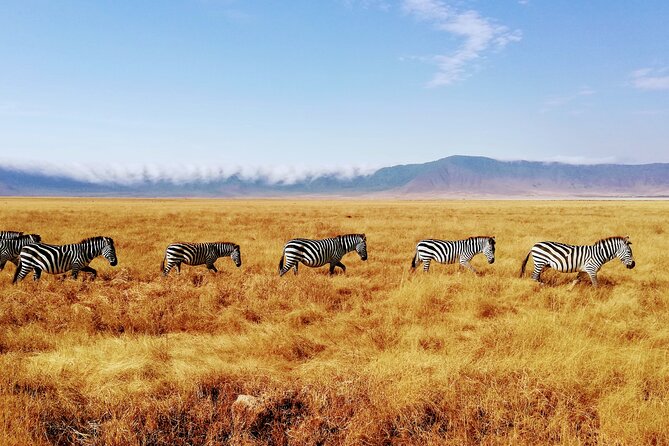
You enter the Serengeti around midday and spend about six hours on game drives. The Serengeti covers roughly 30,000 square kilometers, so you should expect open country and long distances between sightings. That scale is part of the experience. It gives you the feeling of a working ecosystem rather than a small animal enclosure.
The park is associated with the Great Migration and has strong populations of lions. Depending on conditions and luck, you might also see zebras, wildebeest, warthogs, leopards, giraffes, gazelles, buffaloes, impalas, hyenas, cheetahs, elephants, and hippos.
The migration is seasonal and mobile. No operator can guarantee that you will be beside the herds on a particular day. Ask where the animals are expected to be during your visit, and confirm where you will sleep. Overnight lodging is listed as Lobo Lodge or Seronera Wildlife Lodge, depending on the season and the location of the wildebeest.
Day 5: A full eight-hour Serengeti game drive
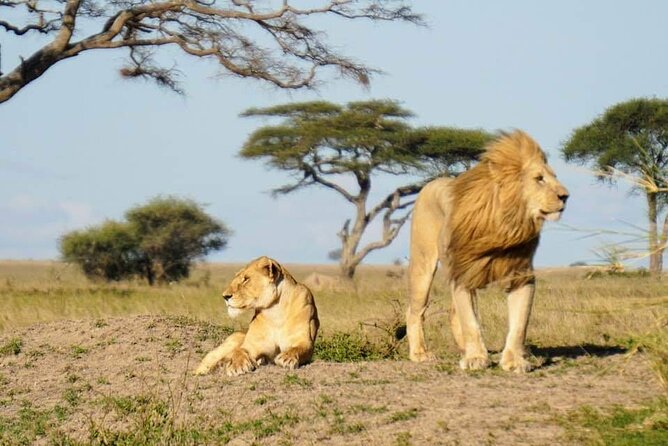
This is the safari’s big wildlife day. You spend about eight hours in the Serengeti, including a picnic lunch, and the suggested departure is between 7 and 8 a.m.
I would take the early start. Morning hours are often the most comfortable time for a long vehicle outing, and an early departure gives you more time in the park. Still, the private arrangement means you can discuss a later start if your group needs rest.
The day is built around patience. You may spend time watching one animal, scanning open ground, or following the guide’s judgment about where to drive next. A private vehicle is useful here because you do not need to match the schedule of strangers. You can ask to linger at a sighting or move on when the group has had enough.
Guide quality matters greatly on this day. Past trips have specifically praised guides named Omari and China for identifying animals and explaining what you are seeing. Victor has also been involved in organizing and guiding safari arrangements, with Rose helping on one praised birthday trip. These names are not a promise about your assigned team, so ask who will guide your departure and how much safari experience that person has.
Day 6: Leaving the Serengeti for Ngorongoro
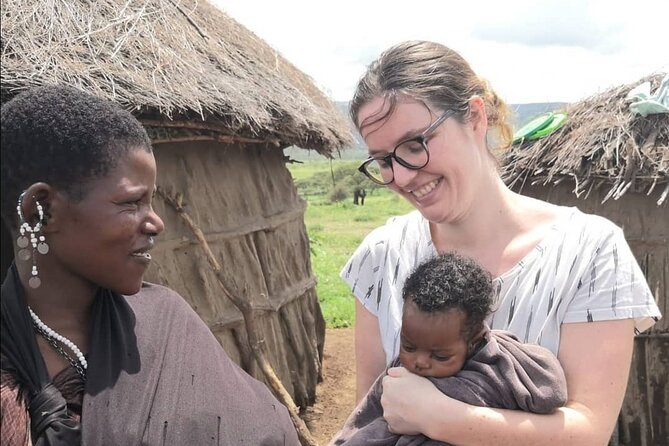
You start around 6 a.m. for morning game drives and wildlife viewing along the route out of the Serengeti. The game drive portion lasts about six hours, including a picnic lunch, before you continue toward the Ngorongoro Conservation Area.
This early start helps you use your final Serengeti hours well, but it also makes Day 6 tiring. You have already had a full game-drive day, and the vehicle ride to the crater area continues afterward. Plan your clothing carefully because the crater rim can be chilly. Warm layers are a must, even if the lowlands have been hot.
You have two optional stops. Olduvai Gorge, at an additional $50, is one of the world’s important sites for understanding early human evolution. Fossils and evidence found there date back millions of years, giving the safari a strong human-history component alongside the wildlife.
The other option is a Maasai village visit for $20. The visit focuses on a local nomadic community, temporary homes, traditional clothing, and ritual dancing. Treat this as a structured cultural encounter, not a substitute for independent time with Maasai communities. Ask what the visit includes and how long you will spend there.
If you prefer, you can skip both and rest at the lodge. That is a perfectly sensible choice after several long days. You sleep in the Ngorongoro Conservation Area, likely on or near the crater rim.
Day 7: Down into Ngorongoro Crater
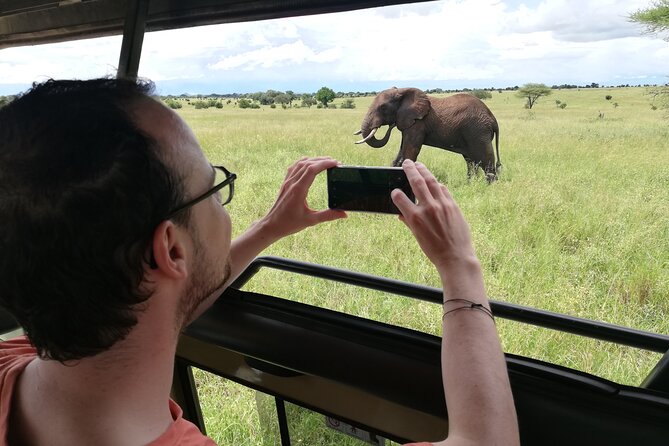
After an early breakfast, you descend into Ngorongoro Crater around 7 a.m. The game drive lasts about six hours and includes a picnic lunch at the hippo pool picnic site on the crater floor.
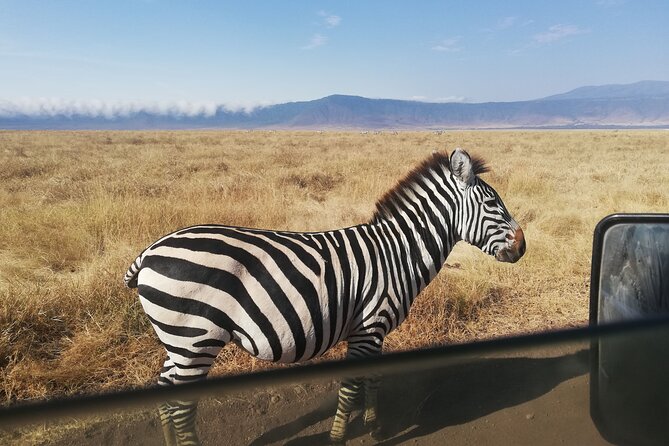
Ngorongoro is the trip’s most dramatic setting. The crater walls frame a broad wildlife area, and the views become part of the experience before you even start looking for animals. You might see lions, buffaloes, hippos, flamingos, wildebeest, zebras, gazelles, leopards, hyenas, elephants, and possibly rhinos.
The crater is a strong place to look for a wide range of animals in one day, but the roads and timing can make it feel busier than the Serengeti. The trade-off is clear: the Serengeti gives you enormous open space, while Ngorongoro gives you a concentrated wildlife setting with striking views.
You ascend around 1 p.m. and drive back to Arusha, reaching Tulia Hotel near 5 p.m. Dinner is not included, but you can order at the hotel. This final road transfer is long enough that you may not want to schedule anything else that evening.
Day 8: A simple departure morning
The final day is reserved for a drop-off at the airport or bus stand. The listed duration is about two hours, but your actual transfer time depends on your departure point and schedule.
For a flight from Kilimanjaro Airport, confirm the pickup time in advance. The tour begins with airport pickup, hotel transfers are included, and the operator can also take you to the bus stand if that is your next stop.
Private transport, meals, and comfort
Your group travels in a 4×4 safari vehicle with a pop-up roof. Everyone receives a guaranteed window seat, which matters when you are trying to photograph an elephant or spot a distant cat. The private setup also lets you request earlier or later starts rather than following a fixed group timetable.
The English-speaking guide handles driving and wildlife interpretation. A good guide can make a major difference, especially in the Serengeti, where knowing where to look matters as much as simply covering ground. Before departure, tell the operator about dietary needs. Special diets can be accommodated if arranged when booking.
The package includes park fees and government taxes, which removes two large sources of surprise costs. Flights, visas, tips, alcoholic drinks, other personal purchases, and the two optional visits are not included.
The tour is marked as suitable for most people, but the schedule is active. You should be comfortable with long drives, early breakfasts, dusty roads, and repeated six-hour game drives. If you want a slower holiday, this route may feel rushed. If your priority is seeing several famous parks in one trip, the pace makes sense.
Who should book this safari?
I would recommend this trip to a first-time safari visitor who wants the main northern Tanzania parks without planning every transfer separately. It also suits couples, families, and small groups who value privacy and want control over the daily rhythm.
It is a good match for anyone who wants variety. Tarangire gives you elephants and baobabs. Lake Manyara adds forest, lake wildlife, flamingos, and the chance of tree-climbing lions. The Serengeti brings scale and migration country. Ngorongoro adds crater views and a concentrated wildlife day.
I would hesitate if your only goal is the Great Migration. The migration’s location changes, and this itinerary gives you only two main Serengeti days plus travel-day viewing. For a migration-focused trip, you would want to discuss seasonal routing and extra Serengeti nights.
I would also ask for a written accommodation plan before paying. The difference between camping, comfort lodging, and deluxe lodging will shape how much value you receive from the $3,000 price.
FAQ
Where does the safari begin?
The safari can begin with pickup at Kilimanjaro Airport or Arusha Airport. The listed meeting point is Kilimanjaro Airport, with a stated start time of 8 a.m.
Is this a private tour?
Yes. Only your group participates, and transportation is provided in a private 4×4 safari vehicle with a pop-up roof.
Which national parks and protected areas are included?
The route includes Tarangire National Park, Lake Manyara National Park, Serengeti National Park, the Ngorongoro Conservation Area, and Ngorongoro Crater.
Are meals included?
Seven breakfasts, five dinners, and six lunches are included. Dinner on the first and seventh nights is excluded but available à la carte at Tulia Hotel.
How much do the optional visits cost?
Olduvai Gorge costs $50, and the Maasai village visit costs $20. Both are additional charges.
Can the daily start times change?
Yes. The listed times are recommendations, and the driver can adjust the start time to suit your group.
Should you book it?
Book this safari if you want a private, well-covered introduction to northern Tanzania and accept a brisk schedule. The best features are the private vehicle, flexible timing, included park fees, guaranteed window seat, and strong range of wildlife settings.
Before booking, confirm three things: your accommodation level, the guide assigned to your group, and the Serengeti route for your travel dates. If those details match your expectations, this is a practical way to see Tanzania’s headline parks in eight days, with enough variety to make the long drives worthwhile.
Just added in Moshi
- Zanzibar: Stone Town tour and Nakupenda beach with Lunch★ 5.0 · 1 review
- Mt Kilimanjaro 6 days Marangu route hike★ 5.0 · 3 reviews
- machame route★ 5.0 · 16 reviews
- day trip lake manyara★ 5.0 · 2 reviews
- Private Cycle to Kilimanjaro Bike Park Safari★ 5.0 · 6 reviews
- West Kilimanjaro cycling Adventures★ 4.5 · 8 reviews
- Wildlife Extravaganza: Manyara, Tarangire & Ngorongoro in 3 Days★ 5.0 · 3 reviews
- 3 Days Private E-Bike Tour in West Kilimanjaro★ 5.0 · 3 reviews
Guided, compared.
3 Hours Private Stone Town walking Tour with Guide
Read our review →
Stone Town Historical Cultural Walking Guided Tour
Read our review →
Arusha Guided Walking City Tour, Culture, Lifestyle & History
Read our review →
Stone Town’s Hidden History: Private Guided Walking Tour
Read our review →
Red Colobus Monkeys in Jozani Forest Guided Tour
Read our review →