
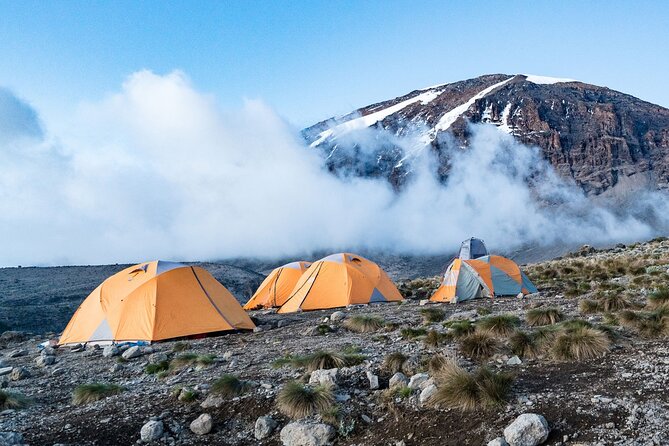
Reviewed · RONGAI ROUTE CLIMBS
6 Day Private Kilimanjaro Climbing Via Rongai Route
Africa’s highest peak rewards patience, not speed. This six-day private climb reaches Kilimanjaro by the quieter Rongai Route, beginning on the mountain’s northern side near the Kenyan border and descending on the Marangu Route. I like the route’s variety: you walk through farmland, pine forest, moorland, high desert, and finally the snowy summit zone. I also like that your small private group has its own guide, porters, cook, transport, and schedule.
The main consideration is the summit day. Although Rongai is described as one of Kilimanjaro’s easier routes, reaching 5,895 meters is still a serious physical test. You will climb through the night, then walk for up to eight hours downhill after reaching Uhuru Peak. The $1,900 price is reasonable for a private climb with meals, park costs, porters, and transport included, but tips, visas, and international flights are extra.
- A quieter northern approach: Rongai is one of Kilimanjaro’s least-used routes, giving you a more remote-feeling start.
- Two sides of the mountain: You ascend from the north and descend through the Marangu Route, seeing very different terrain.
- A private climbing team: Only your group participates, with a professional guide, porters, and cook.
- A strong summit schedule: Day five includes a midnight to 2 a.m. start, Uhuru Peak, and a long descent to Horombo.
- Useful mountain support: Bring copies of passports in advance if arranging access from Kenya, and pack gaiters and trekking poles for the wet lower trail.
- A full-service price: Park fees, private transport, guiding, porters, cooking, and meals are included.
In This Review
- Why Rongai Is a Good Six-Day Choice
- Day One: Nale Moru to the Edge of the Forest
- Day Two: Moorland Views Toward Kibo
- Day Three: Second Cave to Third Cave
- Day Four: Kibo Hut and the Alpine Desert
- Day Five: Uhuru Peak and the Long Descent
- Day Six: From Horombo to Marangu Gate
- What the Private Arrangement Adds
- Is $1,900 Good Value?
- Practical Planning Before You Go
- Who Should Book This Kilimanjaro Climb?
- FAQ
- How long is the Kilimanjaro climb?
- Which route does the climb use?
- Where does the Rongai Route begin?
- What time does the experience start?
- Is pickup available?
- Is this a private tour?
- What meals are included?
- Are porters and a cook provided?
- What is the highest point reached?
- What costs are not included?
- Can I start the route from Kenya?
- What happens after the final hiking day?
Why Rongai Is a Good Six-Day Choice
Rongai begins on Kilimanjaro’s northern flank, just south of the Kenyan border. The trailhead is reached from the Tanzanian side, with a drive of about three hours from Moshi. You pass villages and coffee plantations, then stop at Marangu to register climbing permits before continuing toward Nale Moru.
That road journey matters. You do not simply step out of a vehicle and start walking beside a famous peak. The approach gives you a look at everyday life around Kilimanjaro, with cultivated fields and rural settlements before the forest takes over.
Rongai is also less traveled than several other routes. That does not mean you will have the mountain to yourself, but it can make the opening days feel quieter. The route’s gentle start is useful because your body has time to adjust before the air gets thin.
The tradeoff is that Rongai has a less dramatic forest approach than some southern routes. Its strength is not one grand opening view. It is the gradual change from farms to forest, then from forest to open moorland and high desert.
Day One: Nale Moru to the Edge of the Forest
The first day begins at roughly 2,000 meters and climbs to 2,650 meters. The walking distance is about six kilometers, with three to four hours on foot.
After registration and porter preparation, you start on a broad path through maize and potato fields. This is a pleasant reminder that Kilimanjaro is not an isolated rock. People farm its lower slopes, and the first part of the walk feels connected to local life.
The trail then enters pine forest and begins a steady, gentle climb. The forest provides shade and may shelter wildlife, though sightings are not guaranteed. You should think of this as a warm-up day, not a sightseeing drive with a short stroll attached.
Camp lies near the upper edge of the forest, where the moorland begins. From here, the views open toward the Kenyan plains. Lunch and dinner are provided, and the relatively short walking day gives you time to settle into the rhythm of eating, walking, resting, and preparing for the next morning.
More Kilimanjaro climbs:
- Mount Kilimanjaro Day Hike Through Marangu Route to Mandara Hut
★ 5.0 · 37 reviews - Mount Kilimanjaro Day Hike
★ 4.5 · 23 reviews - 7 Day Kilimanjaro Climb Lemosho Route & 2 Day Safari
★ 5.0 · 16 reviews
Day Two: Moorland Views Toward Kibo
Day two climbs from 2,650 to about 3,450 meters. The distance is again six kilometers, and walking takes three to four hours.
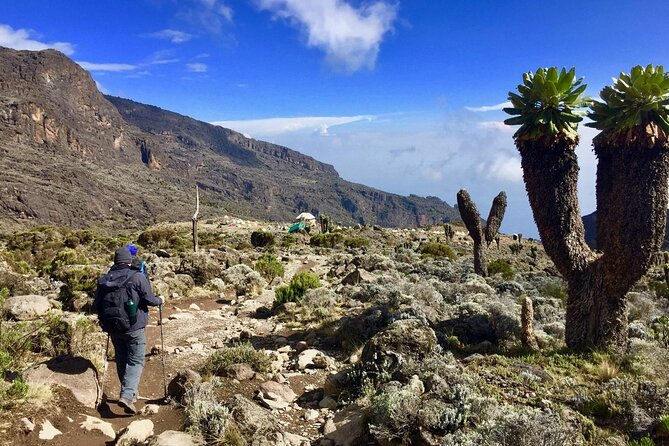
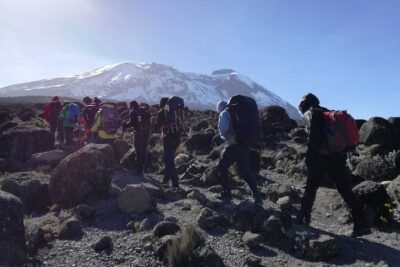
The route rises steadily toward Second Cave. The vegetation becomes more open as you leave the forest behind. This is the moorland zone, with wider views and a stronger sense that you are climbing a major mountain.
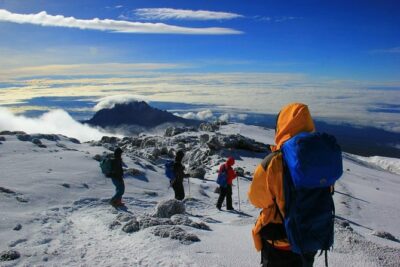
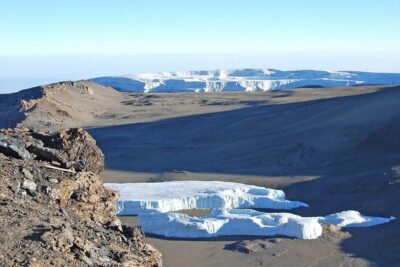
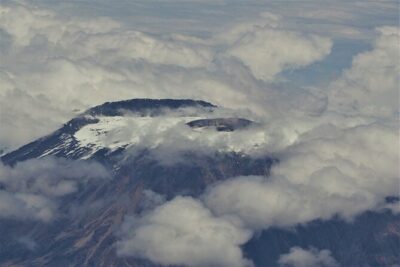
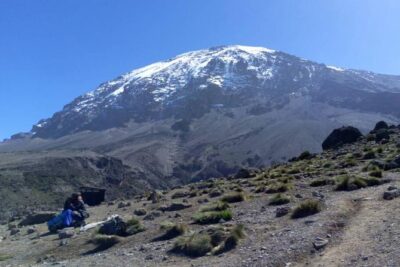
The reward is a view toward Kibo, Kilimanjaro’s highest volcanic cone, including the eastern ice fields along the crater rim. That sight helps put the climb into perspective. The summit still looks far away, and that is precisely the point: you are gaining height gradually instead of rushing toward the top.
Breakfast, lunch, and dinner are included. Keep drinking water and move at a calm pace. The day is not especially long, but altitude can make an ordinary uphill walk feel surprisingly demanding.
Day Three: Second Cave to Third Cave
On day three, you walk from Second Cave to Third Cave, climbing from about 3,450 to 3,880 meters. The distance increases to nine kilometers, but the walking time is only two to three hours because the route remains fairly direct.
This section enters semi-desert terrain. Trees have largely disappeared, and the mountain feels more exposed. You will notice the change in air and surroundings more than on the lower trail.
The short walking time gives you a valuable afternoon at camp. Use it to rest, eat, check your clothing, and prepare for the higher camp ahead. Private guiding is especially helpful here because your team can keep the pace suited to your group rather than a large mixed party.
You should not treat this easy-looking day as spare time for unnecessary exertion. The next day takes you well above 4,700 meters, and conserving energy is one of the smartest things you can do.
Day Four: Kibo Hut and the Alpine Desert
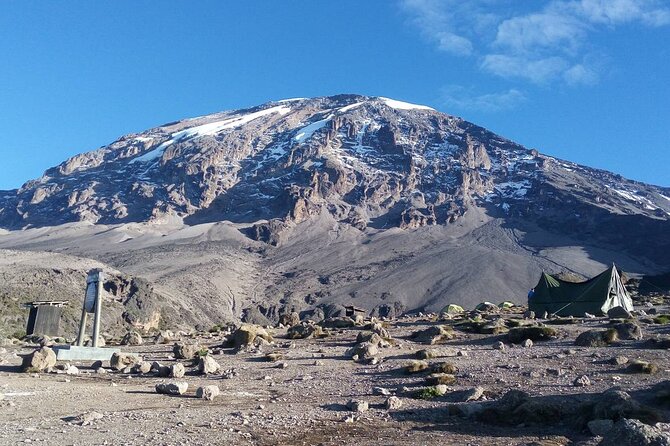
Day four climbs from 3,880 to approximately 4,750 meters. You cover five kilometers in three to four hours, then spend the rest of the day resting at Kibo Hut near the base of the Kibo crater wall.
The surroundings are now alpine desert: sparse, dry, and stark. The trail may feel less varied than the forest below, but the open setting gives you clear views of the mountain’s upper slopes.
Kibo is the staging point for the summit attempt. This is not a normal camp night. You need to eat, organize your warm clothing, prepare water, and rest as much as possible before the early start.
The planned summit departure is between midnight and 2 a.m. That timing lets you reach Gilman’s Point around sunrise or during the morning climb, depending on your pace. It also means you should expect a broken night rather than a full sleep.
More Rongai Route climbs:
- Kilimanjaro Rongai Route 5 Days Trekking
★ 5.0 · 1 review - Rongai 7 days
★ 5.0 · 1 review - 7 Day Rongai Kilimanjaro Summit
★ 5.0 · 1 review - Multi-Day Tour RONGAI Route Kilimanjaro Trekking
★ 5.0 · 1 review
Day Five: Uhuru Peak and the Long Descent
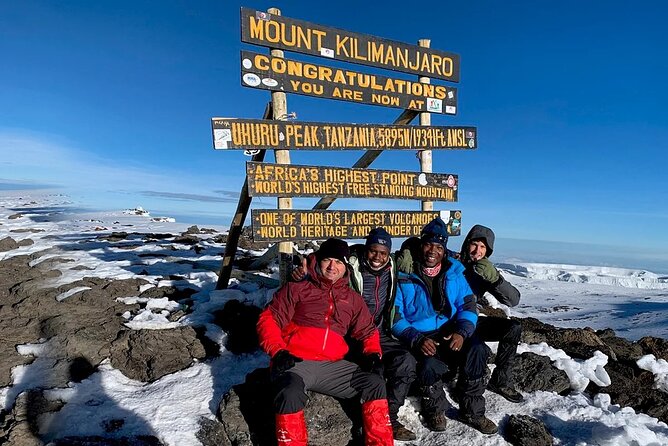
Day five is the hardest part of the climb. The ascent begins in darkness, over steep scree or snow, from around 4,700 meters to the summit at 5,895 meters.
The first major target is Gilman’s Point on the crater rim, listed at about 5,700 meters. From there, you continue around the rim toward Uhuru Peak, the highest point in Africa. The route description allows six to eight hours for the climb, so you need patience and a steady pace.
The summit views are the emotional high point of the trip, but the cold, thin air, darkness, and loose ground make this a demanding section. Your guide’s attention matters greatly. One climber who praised Kanje Grand Tours specifically noted that careful support, oxygen, and oximeters made a major difference compared with less attentive mountain teams.
You should regard those supplies as signs of responsible preparation, not as a promise that altitude problems will be solved instantly. If you feel unwell, tell your guide clearly and early.
After reaching Uhuru Peak, you descend to Kibo for lunch and a rest. Then you continue down to the Horombo encampment, at about 3,700 meters. The listed descent is 15 kilometers and can take another six to eight hours.
That makes summit day a very long day, despite the simplified summary of eight hours. The ascent alone may take six to eight hours, and the downhill section adds substantial time. You will be tired, your knees may complain, and trekking poles can be useful. The route is rewarding, but it is not gentle.
Day Six: From Horombo to Marangu Gate
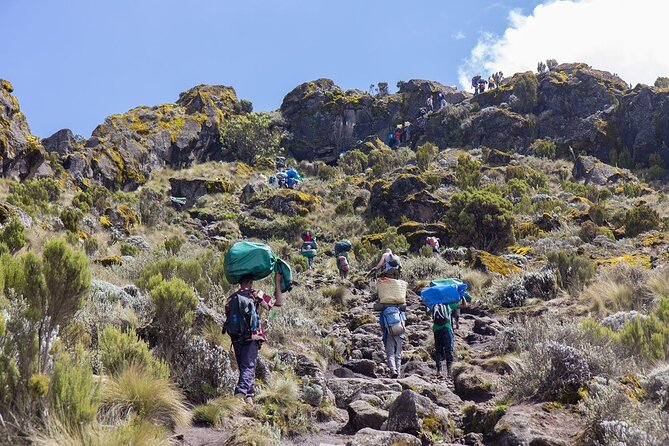
After breakfast, you descend from about 3,700 meters to 1,700 meters at Marangu Gate. The distance is roughly 20 kilometers, with four to five hours of hiking.
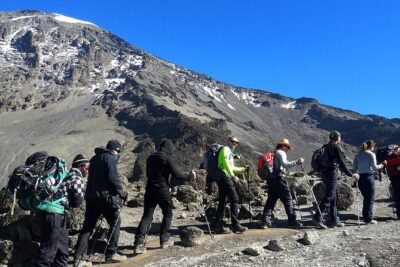
The trail first passes through moorland toward Mandara Hut, then enters lush forest. After the barren upper mountain, the return of trees feels dramatic. The lower path can be wet and muddy, so gaiters and trekking poles are practical additions rather than optional extras.
At this altitude, you may be comfortable in shorts and a T-shirt while walking, but keep rain gear and warmer clothing close. Mountain weather can change, and you do not want your warm layers buried deep inside a porter’s bag.
A Monkey Adventures vehicle meets you at Marangu Gate for the drive back to your Moshi hotel, which takes about one hour. The vehicle transfer is important because you have already completed a demanding descent and will likely welcome a seated ride.
What the Private Arrangement Adds
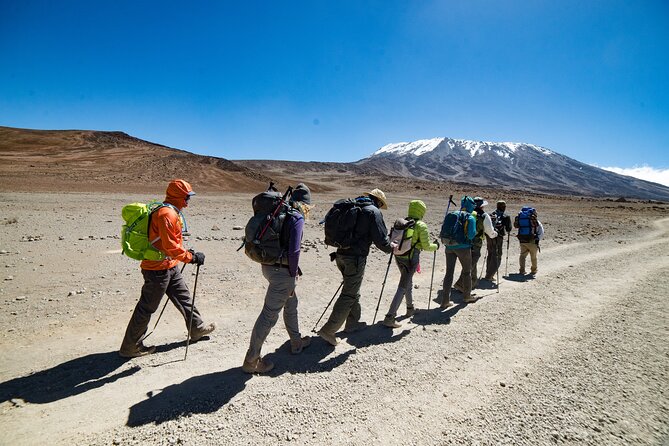
This is a private tour, so only your group takes part. That gives you more control over pace and breaks. It can also make communication easier when you need to discuss fatigue, clothing, food, or altitude symptoms.
The package includes a professional guide, porters, and a cook. Meals listed are breakfast, lunch, and dinner on the mountain, with lunch and dinner on the first day and breakfast on the final day. That arrangement keeps you focused on walking rather than managing camp meals.
Porters carry equipment, but you should still pack with restraint. Your day bag needs the items you may need while walking, including water, rain gear, warmer clothing, snacks if you use them, and personal essentials. The supplied information does not specify baggage limits, so ask the operator before departure.
The private format also comes with a responsibility: you should be honest about your fitness and altitude experience. The trip is suited to someone with moderate physical fitness, but the summit day is considerably harder than the first few days suggest.
Is $1,900 Good Value?
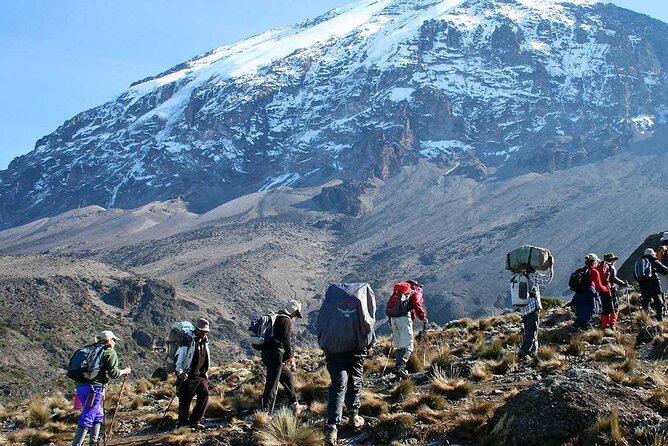
At $1,900 per person, the price covers all fees and taxes, private transportation, a professional guide, porters, a cook, and the listed meals. It also includes the vehicle from Marangu Gate back to Moshi.
That is a useful package for a six-day private climb. You are paying not only for a trail walk, but for permits, mountain staff, food, camp support, and transport across two sides of the mountain. The cost is easier to justify if you value a private pace and a quieter northern route.
You still need to budget for a visa, international flights, and tips. Tips are not a minor detail on a guided mountain climb, so ask the operator for current guidance before you arrive. The supplied price does not include them.
You can cancel for a full refund if you cancel at least 24 hours before the start time. Changes or cancellations made less than 24 hours before the local start time are not accepted for a refund.
Practical Planning Before You Go
The normal meeting time is 8 a.m., and pickup is offered. Confirm the pickup point and hotel details before the climb, especially if you are staying outside Moshi.
The route can also be accessed from Amboseli National Park in Kenya. That option takes about two hours, including the border crossing, and the operator needs copies of passports ahead of time. Do not leave those copies until the last minute.
Your clothing system needs to cover four very different zones. Lower forest can be wet, while the upper mountain is cold and exposed. Keep rain gear accessible, and make sure your warm clothing is available for the Kibo night start and summit morning.
Gaiters and trekking poles are specifically useful on the muddy lower trail and during the long descent. You should also be ready for loose scree near the summit. Shoes with good traction will matter there, though the supplied details do not specify required footwear.
The strongest practical lesson from the positive experience with Kanje Grand Tours is to pay attention to mountain support. A guide who monitors the group and carries or provides access to oxygen and oximeters gives you better information when altitude becomes a concern. The company listed for this experience is Kanje Grand Tours, and that attentive approach is one of the reasons the climb received such high praise.
Who Should Book This Kilimanjaro Climb?
I would recommend this route to you if you want a private mountain experience, prefer a quieter trail, and like the idea of seeing both the northern and southern sides of Kilimanjaro.
It is also a good fit if you can handle several hours of uphill walking and are prepared for one very long summit day. You do not need to be an elite athlete based on the stated fitness requirement, but you should not mistake the gentle opening for an easy holiday.
I would hesitate to recommend it if you want a relaxed walking trip, dislike nighttime starts, or are unwilling to prepare carefully for high altitude. The route may have a high success rate, but that does not remove the physical demands of 5,895 meters.
For the right person, the appeal is clear: a quiet approach, varied terrain, private support, and the chance to reach Africa’s highest point before descending through the familiar Marangu side of the mountain.
FAQ
How long is the Kilimanjaro climb?
The experience lasts approximately six days.
Which route does the climb use?
The ascent uses the Rongai Route, and the descent uses the Marangu Route.
Where does the Rongai Route begin?
It begins on the northern side of Kilimanjaro, just south of the Kenyan border, near the village of Nale Moru.
What time does the experience start?
The listed start time is 8 a.m.
Is pickup available?
Yes, pickup is offered.
Is this a private tour?
Yes. Only your group participates in the activity.
What meals are included?
Breakfast, lunch, and dinner are included during the mountain climb as specified for each day.
Are porters and a cook provided?
Yes. The package includes porters and a cook, along with a professional guide.
What is the highest point reached?
The climb reaches Uhuru Peak at 5,895 meters, the highest point in Africa.
What costs are not included?
Visas, international flights, and tips are not included in the $1,900 price.
Can I start the route from Kenya?
The Rongai Route can also be accessed from Amboseli National Park in Kenya. The border crossing takes about two hours, including the transfer, and copies of passports are needed in advance.
What happens after the final hiking day?
A Monkey Adventures vehicle meets you at Marangu Gate and drives you back to your hotel in Moshi. The drive takes about one hour.
Just added in Arusha
- Safari “Kifaru” – 5 days in the most famous Parks in the world★ 5.0 · 4 reviews
- Saadani Day Trip★ 5.0 · 13 reviews
- 3 Days Tanzania Short and Spicy★ 5.0 · 6 reviews
- 5 Day Tanzania Safari Camping Adventure Private Tour★ 5.0 · 2 reviews
- Day Trip to Ngorongoro Crater from Arusha★ 5.0 · 1 review
- SERENGETI NATIONAL PARK Tour★ 4.5 · 5 reviews
- 3 Days Serengeti Park & Ngorongoro Crater Adventure Safari★ 5.0 · 8 reviews
- 6 Days Tanzania Bush Experience Safari★ 5.0 · 6 reviews
Rongai Route Climbs, compared.
Multi-Day Tour RONGAI Route Kilimanjaro Trekking
Read our review →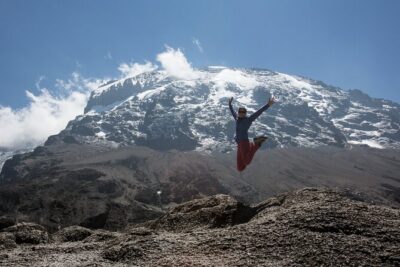
Browse the lists this tour appears in