
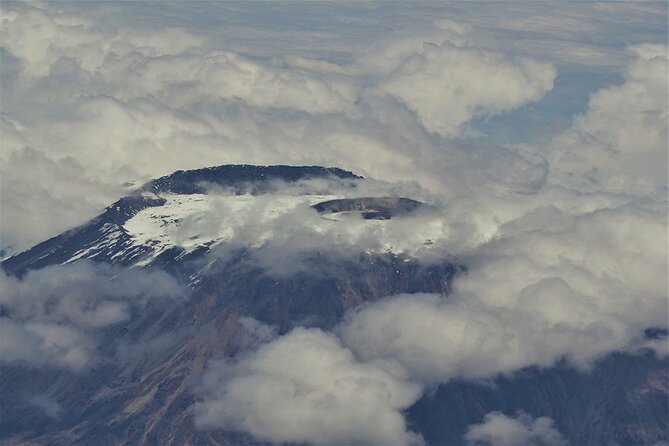
Reviewed · RONGAI ROUTE CLIMBS
Rongai 7 days
The mountain starts long before summit night. This seven-day Rongai Route climb offers quiet eastern approaches, Kenyan plain views, and a careful acclimatization plan before Uhuru Peak. I like the extra day, since the route normally takes six days, and I like that park fees, rescue fees, meals, tents, guides, water, and airport transfers are included. The main caution is simple: this is a serious high-altitude climb, not a scenic walk, and the schedule description is demanding.
You will trek through farmland, forest, moorland, alpine desert, and the high slopes of Kibo. Gaston and his team received warm praise for their professional help, which matters when cold, altitude, and fatigue begin to compete for your attention. Before booking, confirm the operator and crew details, since the booking information names Mountain Warriors Tours and Safaris, while the final day refers to the Eastland Adventures Kilimanjaro crew.
In This Review
- Key points worth knowing before you book
- Why the Rongai Route makes a good seven-day climb
- Day 1: Four hours to Rongai Gate and the forest camp
- Day 2: Second Cave and a useful acclimatization walk
- Day 3: Open ground and the first clear view of Kibo
- Day 4: Mawenzi Turn Hut and views across the saddle
- Day 5: Crossing the saddle toward Kibo
- Day 6: Midnight for Gilman’s Point, Stella Point, and Uhuru Peak
- Day 7: Eighteen kilometers down to Marangu Gate
- What the $2,800 price covers
- Who will like this trek most
- Should you book the seven-day Rongai climb?
- FAQ
- How long is the Rongai Route experience?
- What time does the tour start?
- Is pickup available?
- Is this a private tour?
- What altitude does Uhuru Peak reach?
- When does the summit climb begin?
- Are meals included?
- What is not included in the price?
Key points worth knowing before you book
- Rongai is Kilimanjaro’s eastern route: The trail begins south of the Kenya-Tanzania border and gives you a different approach from the more commonly used southern routes.
- Seven days is the sensible choice: The extra day is used for acclimatization walks, giving your body more time before the summit attempt.
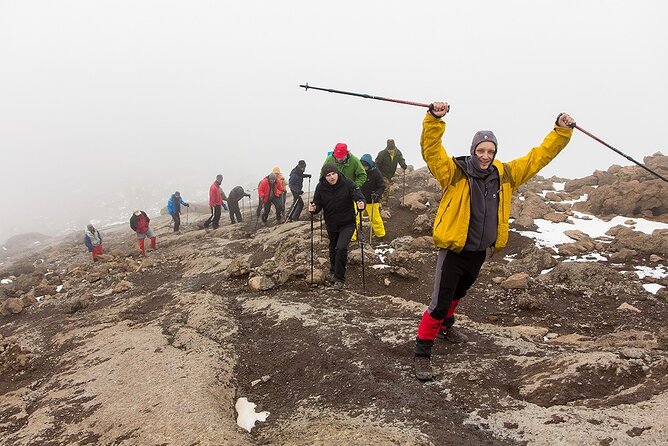
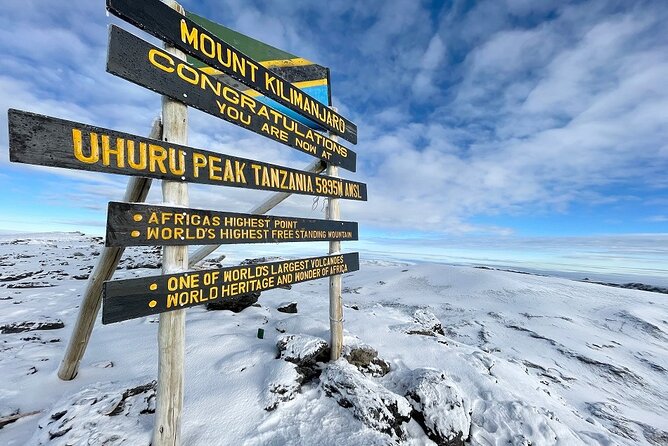
- The summit is Uhuru Peak at 5,895 meters: You begin the final climb around midnight, pass Gilman’s Point and Stella Point, then continue to Africa’s highest summit.
- The route includes wildlife country: The forest may offer sightings of blue monkeys and black and white colobus monkeys.
- Most major mountain costs are covered: Park fees, rescue fees, meals, tents, purified water, guides, and airport transfers are included.
- You need your own personal gear and tipping budget: Visa costs, tips, and climbing equipment are not included in the $2,800 price.
Why the Rongai Route makes a good seven-day climb
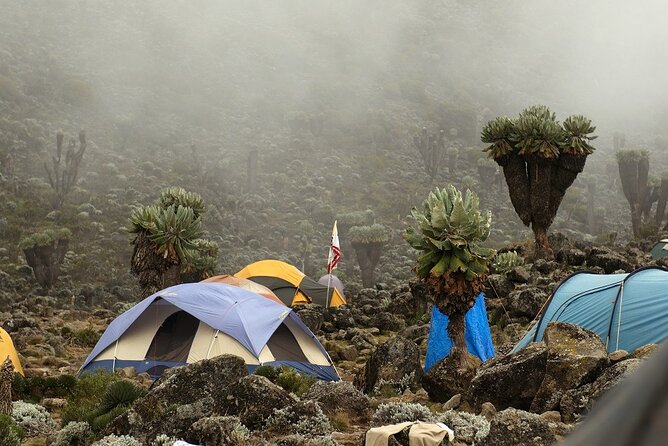
Rongai approaches Kilimanjaro from the eastern side. That gives the trek a different feel from routes that begin farther south, and the early days pass through attractive forest before opening into wider high-country views. You may see the Kenyan plains from the trail, and the route offers genuine possibilities for wildlife sightings in the lower forest.
The route is also known for a steady start. You are not thrown straight into a punishing climb on the first morning. The trail moves through farmland and forest, then gradually passes through several climate zones. That change keeps the walk interesting, while the slow gain in height gives you time to adjust.
The extra seventh day is one of the strongest reasons to consider this trip. A six-day Rongai climb is possible, but the seven-day plan includes acclimatization walks on Days 2 and 4. Those short outings are not wasted time. They let you climb higher, return to camp, eat, rest, and sleep at a lower elevation.
At $2,800 per person, the price is substantial. Still, it covers the major operating costs of a private mountain trip: park entry, rescue fees, food, tents, purified drinking water, airport transfers, and a professional guide team. You still need to budget for a Tanzania visa, tips, and your personal climbing gear. The value depends heavily on how well the company handles safety, food, porter support, equipment, and pace, so I would ask for those details before paying.
More Rongai Route climbs:
- Kilimanjaro Rongai Route 5 Days Trekking
★ 5.0 · 1 review - 7 Day Rongai Kilimanjaro Summit
★ 5.0 · 1 review - Multi-Day Tour RONGAI Route Kilimanjaro Trekking
★ 5.0 · 1 review
Day 1: Four hours to Rongai Gate and the forest camp
The day begins at 7:30 a.m. with a drive of about four hours to Rongai Gate. There, the crew handles registration and collects the park entrance permit. You will have lunch, meet the mountain team, and begin hiking into the forest.
This first section is appealing because the trail passes through alpine trees and a forest that may shelter blue monkeys and black and white colobus monkeys. The walking time is listed as about six hours, so this is not just a short orientation stroll after the drive.
The first campsite sits near the edge of the rain forest. That location gives you a clear sense of the route’s changing climate zones. You begin in a living, wooded environment, but the mountain will soon become more open and dry.
The long drive is the main practical issue. You should expect an early start and a full first day. The included lunch and the private pickup help, but you will want to keep your daypack organized before leaving the hotel.
Day 2: Second Cave and a useful acclimatization walk
After breakfast, you walk steadily upward to Second Cave, stopping there for lunch. The afternoon is deliberately slower. You rest until evening, then take a nature walk for acclimatization before returning to camp for dinner and the night.
I like this structure. Kilimanjaro success often depends less on rushing upward than on giving your body time to respond to altitude. A rest period followed by a controlled walk lets you gain some height without turning the day into a race.
The walking time is again listed at about six hours. The phrase steady ascent is important: you should expect consistent uphill movement rather than a flat forest path. The nature walk adds useful time on your feet, but it also means you should not treat the afternoon as completely free.
Day 3: Open ground and the first clear view of Kibo
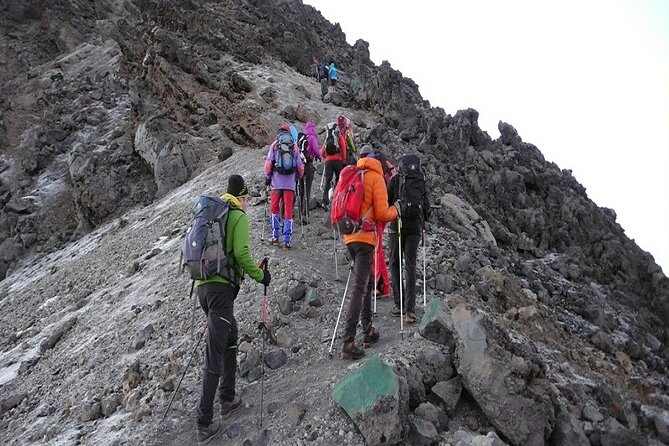
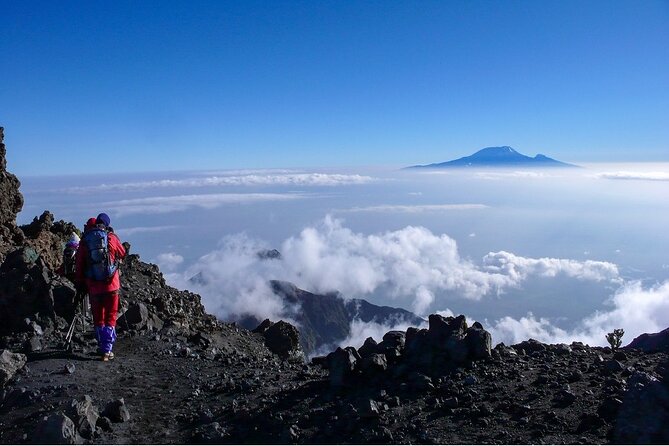
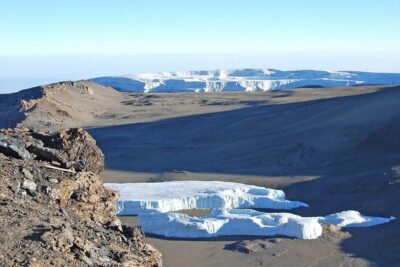
Day 3 begins across flatter ground, followed by a steeper section and a slight descent before you reach camp for lunch. The route offers views of Kibo Peak and the eastern ice fields from the crater rim.
This is the point when Kilimanjaro’s scale begins to feel real. The lower forest is behind you, and the high volcanic summit becomes part of the daily view. The terrain is less sheltered, so weather and sun exposure may feel more noticeable.
The route description lists around six hours of walking. The small descent is worth noting because mountain days are not always a straight climb. A downhill section can give your legs a break, but it can also make the next uphill section feel more abrupt.
You will want to keep your pace even. The goal is not to reach camp first. It is to arrive with enough energy for the acclimatization work still ahead.
A few more options to weigh up in Arusha
- Balloon Safari & Bush Breakfast in Serengeti – Miracle Experience
★ 5.0 · 1,646 reviews - Tanzania Classic – 7 Days
★ 5.0 · 1,151 reviews - 4 Days Group Camping Safari
★ 5.0 · 1,101 reviews - 5 Days Group Camping Safari
★ 5.0 · 730 reviews
Day 4: Mawenzi Turn Hut and views across the saddle
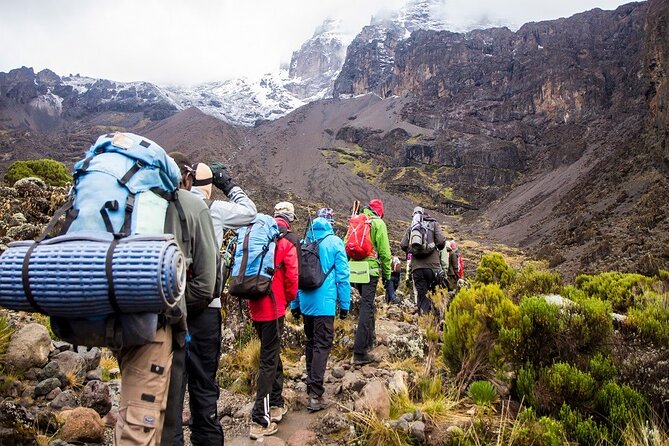
The morning starts with a short, steep climb over grassy slopes. In return, you get broad circular views and a stronger feeling of isolation before reaching Mawenzi Turn Hut for lunch.
Mawenzi is Kilimanjaro’s dramatic secondary peak, and the approach gives this day a distinctive character. After lunch, you take another nature walk toward the slopes of Mawenzi, then return to camp for dinner and sleep.
This is the second major acclimatization day, and it is one reason the seven-day schedule is more attractive than the standard six-day version. You climb higher during the walk, then come back to camp rather than sleeping at the highest point reached.
The day is listed at about six hours. The short steep section may be more demanding than the distance suggests, especially as altitude begins to affect breathing and walking speed. Take the slow pace seriously. The mountain is not impressed by heroic bursts of energy.
Day 5: Crossing the saddle toward Kibo
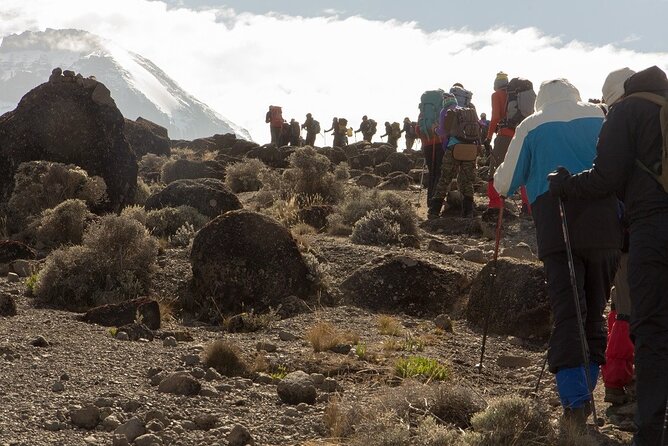
You now cross the broad saddle between Mawenzi Peak and Kibo Peak. This is the last water point on the route, so the day marks a practical change as well as a scenic one.
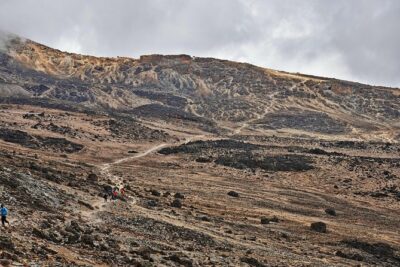
Along the way, you may see the remnants of a plane crash. The route then continues through alpine desert, with a picnic lunch in the middle of this stark high zone before you reach camp.
The plan calls for an early dinner and early sleep. That is not a luxury. You will wake around 11:00 p.m. for tea and snacks, dress in warm clothing, and begin the summit climb at midnight.
The six-hour estimate does not tell the whole story. The walking itself may fit that description, but the early bedtime and midnight wake-up mean you should use the afternoon to rest, organize your summit clothing, and check your daypack. Ask your guide where your water, snacks, headlamp, gloves, and warm layers should go.
Day 6: Midnight for Gilman’s Point, Stella Point, and Uhuru Peak
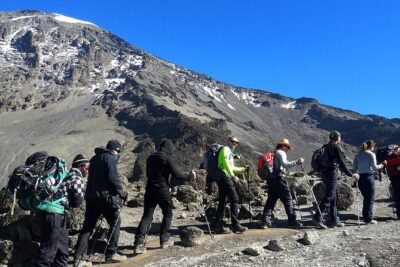
Summit day begins with a gradual climb over volcanic scree. The trail then becomes steeper, with zigzags leading toward Gilman’s Point at 5,685 meters.
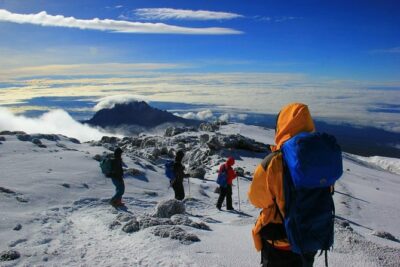
You will pause there, then continue to Stella Point at 5,756 meters. This section offers a chance to rest, take photographs, and see sunrise. At Stella Point, you join climbers coming from Barafu Base Camp before continuing toward Uhuru Peak.
Uhuru Peak rises to 5,895 meters, the highest point in Africa. The plan allows about 10 to 15 minutes at the summit for photographs and views before you begin the descent.
That summit stop may sound brief, but it is sensible. At this altitude, cold, wind, tiredness, and limited time all matter. You descend by the same trail to Kibo Hut for rest and brunch, then continue to Horombo Hut for the night.
This is the hardest day by far. You start around midnight, climb through the coldest part of the trek, reach the summit after hours of effort, and then descend a long way. The schedule lists six hours, but you should understand the day by its sequence rather than that number. It is a night climb followed by a major descent, not an ordinary six-hour hike.
A professional guide team is especially important here. The only available rating is a perfect five from one review, with specific praise for Gaston and his team’s professionalism and help in reaching the summit. That is limited evidence, but it points to the kind of support you want when the climb becomes physically and mentally difficult.
Day 7: Eighteen kilometers down to Marangu Gate
After breakfast, you descend about 18 kilometers to Marangu Gate. The walk takes about four to seven hours and passes back through moorland and rain forest.
This final descent is a satisfying return to greener country, but do not underestimate it. After summit day, your knees and feet may be tired, and downhill walking can feel harder than expected. Use your poles if you bring them, and keep your pace controlled.
At the gate, you sign out in the Kilimanjaro National Park logbook and collect your certificate. The day ends with a hot lunch, group photographs, Kilimanjaro songs, and a drive to your hotel in Moshi for a hot shower and a celebratory beer.
The final wording refers to the Eastland Adventures Kilimanjaro crew, while the experience provider is listed as Mountain Warriors Tours and Safaris. That may simply reflect a partner or crew arrangement, but I would confirm it in writing so you know who operates the mountain portion and who handles the final transfer.
What the $2,800 price covers
The inclusions are generous for a private seven-day climb. Your package includes:
- Professional, experienced mountain guides
- All park fees
- Rescue fees
- Quality waterproof, four-season private sleeping tents
- A mess tent with tables and chairs
- All mountain meals
- Clean, purified drinking water
- Airport transfers
- Seven breakfasts
- Seven lunches
- Six dinners
The private tent and mess tent matter more than they may sound. After a wet or tiring day, a dry sleeping space and a place to sit for meals make camp life easier. Purified water also removes one major task from your routine.
The meals are included for the full mountain stay, but no menu details are given. If you have dietary needs, ask the company before departure. The same applies to luggage limits, porter arrangements, tent sharing, and emergency procedures, since those details are not specified here.
The price does not include a Tanzania visa, tips, or personal climbing gear. You should not assume that boots, warm layers, trekking poles, headlamps, or other equipment will be supplied. The listing clearly puts personal gear in your own budget.
Who will like this trek most
I would recommend this route to someone who wants a private Kilimanjaro climb with a slower seven-day schedule and a clear summit goal. The route suits you if you value forest, wildlife possibilities, Kenyan plain views, and a quieter eastern approach.
You need moderate physical fitness, according to the booking information. More important, you need patience. The climb rewards a slow pace, careful rest, and a willingness to follow the guide’s rhythm.
This may not suit you if you want a relaxed holiday with only a little walking. The summit night starts near midnight, reaches 5,895 meters, and is followed by a long descent. You also need to be comfortable camping and carrying or managing your personal items in changing weather.
Pickup is offered, mobile tickets are available, and the meeting time is 7:30 a.m. The activity is private, so only your group participates. Free cancellation is available if you cancel at least 24 hours before the local start time. Changes or cancellations made later are not accepted for a refund.
Should you book the seven-day Rongai climb?
I would book this experience if you want Rongai’s eastern scenery and prefer giving yourself an extra acclimatization day. The combination of included park and rescue fees, mountain meals, purified water, tents, airport transfers, and a private group makes the $2,800 price easier to justify.
I would not book without first confirming the operator names, the guide team, personal equipment list, porter arrangements, and the exact transport plan. The praise for Gaston and his team is encouraging, but one five-star rating is not enough to answer every practical question.
Choose this climb for the route, the extra day, and the chance to reach Uhuru Peak with a structured plan. Go in prepared for a demanding summit night, not a simple holiday hike. If you accept that trade-off, Rongai offers a strong and varied way up Kilimanjaro.
FAQ
How long is the Rongai Route experience?
The experience lasts approximately seven days. The itinerary begins with the drive to Rongai Gate and ends with the descent to Marangu Gate and transfer to a hotel in Moshi.
What time does the tour start?
The stated start time is 7:30 a.m.
Is pickup available?
Yes. Pickup is offered, and airport transfers are included.
Is this a private tour?
Yes. Only your group will participate in the activity.
What altitude does Uhuru Peak reach?
Uhuru Peak reaches 5,895 meters.
When does the summit climb begin?
You wake around 11:00 p.m. for tea and snacks, then begin the summit climb around midnight.
Are meals included?
Yes. The package includes seven breakfasts, seven lunches, and six dinners, along with all meals while on the mountain.
What is not included in the price?
A Tanzania visa, tips, and personal climbing gear are not included.
Just added in Arusha
- Safari “Kifaru” – 5 days in the most famous Parks in the world★ 5.0 · 4 reviews
- Saadani Day Trip★ 5.0 · 13 reviews
- 3 Days Tanzania Short and Spicy★ 5.0 · 6 reviews
- 5 Day Tanzania Safari Camping Adventure Private Tour★ 5.0 · 2 reviews
- Day Trip to Ngorongoro Crater from Arusha★ 5.0 · 1 review
- SERENGETI NATIONAL PARK Tour★ 4.5 · 5 reviews
- 6 Days Tanzania Bush Experience Safari★ 5.0 · 6 reviews
- 3 Days Serengeti Park & Ngorongoro Crater Adventure Safari★ 5.0 · 8 reviews
Rongai Route Climbs, compared.
6 Day Private Kilimanjaro Climbing Via Rongai Route
Read our review →
Multi-Day Tour RONGAI Route Kilimanjaro Trekking
Read our review →
Browse the lists this tour appears in