
Reviewed · RONGAI ROUTE CLIMBS
6 Days Rongai route climbing Mt.Kilimanjaro
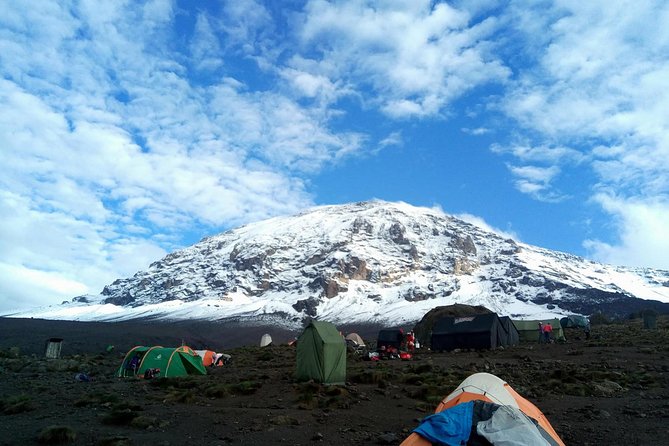
Kilimanjaro rewards patience, not speed. This six-day Rongai Route climb gives you a gradual approach to Uhuru Peak, with quiet forest trails, cold high camps, and a proper summit attempt supported by guides, porters, and a cook. I like the steady acclimatization schedule, especially the short third day at Mawenzi Tarn, and I also like the small maximum group of 15, which should make camp routines and guide contact easier. The $2,380 price is substantial, but it covers park fees, camping, transport, meals, staff, rescue fees, and two nights in Moshi.
The main consideration is the physical demand. Summit night begins around 11:30 p.m. after sleeping at 4,700 meters, then takes you to 5,895 meters before a long descent. Cold temperatures, high altitude, and the final 27-kilometer day mean you should arrive fit and prepared, not simply hopeful.
In This Review
- Key points to know before booking
- Why the Rongai Route suits a six-day climb
- Day 1: Moshi to 1st Caves Camp at 2,600 meters
- Day 2: Moorland walking to Kikelewa Cave
- Day 3: Mawenzi Tarn and a valuable acclimatization pause
- Day 4: Crossing the alpine desert to Kibo Hut
- Day 5: The summit push from 4,700 to 5,895 meters
- Day 6: Celebration, certificates, and the descent to Marangu Gate
- What the $2,380 price covers
- Staff support and the human side of the climb
- Who should book this climb?
- Booking details and cancellation terms
- Should you book the six-day Rongai climb?
- FAQ
- Where does the climb start and end?
- How long is the Rongai Route climb?
- What time does the tour start?
- How high is Uhuru Peak?
- How high is Kibo Hut?
- How long is the summit hike?
- Are meals included?
- Is drinking water provided?
- Is camping equipment included?
- Is travel insurance included?
- Are tips included in the price?
- What happens if poor weather cancels the climb?
Key points to know before booking
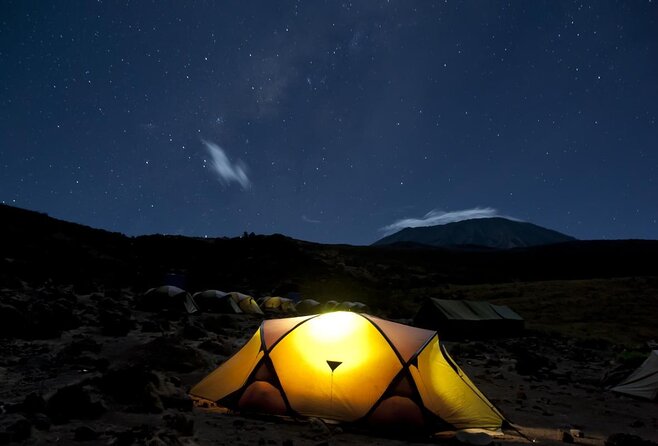
- Rongai starts from the northeastern side of Kilimanjaro, with a gradual first day through cornfields and pine forest.
- Mawenzi Tarn at 4,330 meters provides an important acclimatization stop before the move to Kibo Hut.
- Summit night is the hardest section, beginning at about 11:30 p.m. and reaching Uhuru Peak at 5,895 meters.
- The price includes practical mountain support, including tents, sleeping mats, three meals daily, treated water, hot washing water, oxygen, and an emergency first-aid kit.
- The tour ends back in Moshi, after certificates at Marangu Gate and a long-awaited shower.
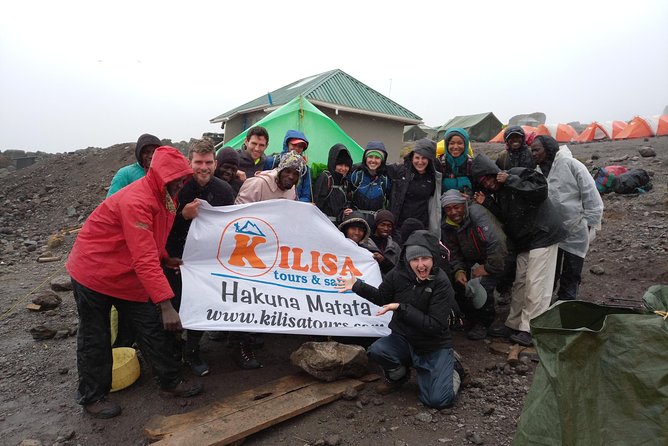
- Kilisa’s staff receive particularly warm praise, with specific appreciation for the driver, hotel staff, guides, porters, cooks, and Naick’s help with arrangements.
Why the Rongai Route suits a six-day climb
The Rongai Route is a sensible choice if you want a less rushed path toward the summit. The first several days increase altitude in measured steps, from the forest at about 1,980 meters to Mawenzi Tarn at 4,330 meters, then to Kibo Hut at 4,700 meters.
That matters because altitude is the central challenge on Kilimanjaro. You cannot train your way out of every altitude problem, but a slower gain gives your body more time to adjust. This itinerary includes a full day of only three to four hours between Kikelewa Cave and Mawenzi Tarn, which is useful before the summit push.
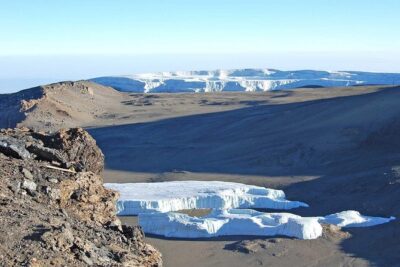
You also get a clear change in scenery. The route moves from cultivated land and forest to moorland, then to open alpine desert and finally stone scree and ice near the summit. The changing habitats help break up the physical effort. You are not simply walking uphill for six days with the same view.
The schedule is still demanding. Six days is shorter than some longer Kilimanjaro itineraries, so you should take the acclimatization stops seriously. Walk slowly, follow your guide’s instructions, and do not treat the early days as a race.
More Rongai Route climbs:
- Kilimanjaro climb, Rongai Route (7-day)
★ 5.0 · 40 reviews - Kilimanjaro climb, Rongai Route (6-day)
★ 5.0 · 15 reviews - Mount Kilimanjaro Rongai Route
★ 5.0 · 10 reviews
Day 1: Moshi to 1st Caves Camp at 2,600 meters
Your day begins with an early breakfast and pickup from Arusha at about 1,400 meters, followed by a drive to Marangu Gate at 1,980 meters. The listed start time is 8:30 a.m., though the program also says breakfast and an early pickup, so confirm the exact timing with Kilisa before setting your alarm.
At Marangu Gate, you and your guide complete registration with Tanzania National Parks, known as TANAPA. Porters organize and pack the mountain equipment, then you continue by vehicle to the Rongai trailhead. The drive from Marangu Gate to the trailhead takes about two and a half hours, so the first day includes a fair amount of road time.
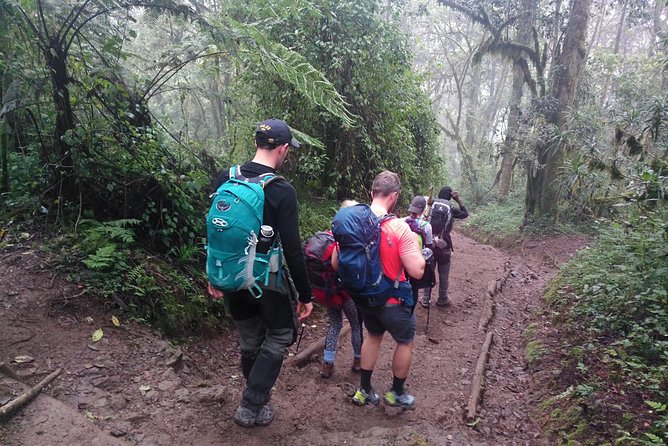
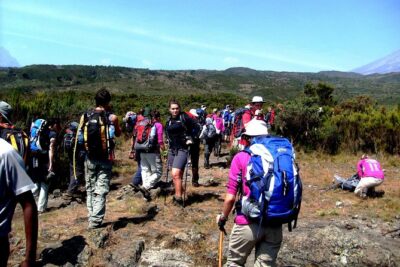
The hike covers approximately eight kilometers and takes about five hours. It begins in tall cornfields before entering pine forest. This gradual ascent is a welcome opening. You can settle into your boots, learn the walking rhythm, and enjoy the surroundings without facing a sharp climb right away.
A lunch break comes around the middle of the hike. By late afternoon or early evening, you reach 1st Caves Camp at 2,600 meters. The porters and cook move ahead, so your tent should be prepared before you arrive. Drinking water and hot washing water are also arranged at camp.
That support makes a real difference. You still carry a daypack and do the walking yourself, but you do not need to set up camp or prepare meals after five hours on the trail. Expect a mountain camp rather than a hotel, with comfort coming from good organization, warm food, and dry shelter.
Day 2: Moorland walking to Kikelewa Cave
Day two takes you from the first cave area toward Kikelewa Cave at 3,600 meters. Hiking time is about six to seven hours, and the route passes Second Cave at 3,450 meters.
Second Cave is a useful lunch stop and a chance to break the day into manageable pieces. The gain in altitude is noticeable, but the route continues the gradual pattern that makes Rongai appealing. You are moving higher without going directly to a summit-level camp.
At Kikelewa Cave, the setting changes to exposed moorland. The program highlights giant lobelia and groundsel, unusual high-altitude plants that give this part of Kilimanjaro a distinct character. These plants are worth noticing because they show how life adapts as the air gets thinner and the climate becomes colder.
Your tent should already be waiting, and the crew prepares drinking and washing water. Evening snacks are served before dinner. The practical warning here is the cold. Temperatures at this exposed camp can drop below freezing, so a warm sleeping bag and properly layered clothing are essential.
This is also a good night to pay attention to your body. Headache, unusual fatigue, nausea, or difficulty sleeping can be signs that you need to speak with your guide. The trip includes an oxygen cylinder and oximeter, but those are safety tools, not substitutes for careful pacing and honest communication.
Day 3: Mawenzi Tarn and a valuable acclimatization pause
The third day is shorter, with three to four hours of hiking, but the trail is steep. You climb to Mawenzi Tarn Camp at 4,330 meters, in the shadow of Mawenzi, one of Kilimanjaro’s major volcanic peaks.
This short day is one of the strongest features of the plan. You gain altitude, reach camp early, and allow your body time to adjust. A slower afternoon can be more valuable than another long walking day when you are preparing for a summit attempt.
The moorland vegetation continues, including giant lobelia and groundsel. At camp, you have time to appreciate the views and watch the sunset. Dinner is served hot, and washing water is prepared for you.
Do not mistake the shorter day for an easy one. The steep trail and higher elevation can make three hours feel like much longer. I would use this afternoon to eat, drink, organize your summit clothes, and rest. Avoid wasting energy repacking your entire bag or wandering far from camp.
A few more options to weigh up in Moshi
- Kilimanjaro climb by Lemosho Route (7-day)
★ 5.0 · 651 reviews - Safari Serengeti And Ngorongoro
★ 5.0 · 288 reviews - Kilimanjaro climb, Machame Route (7-day)
★ 5.0 · 262 reviews - Kilimanjaro Climbing Lemosho Route 8 Days.
★ 5.0 · 186 reviews
Day 4: Crossing the alpine desert to Kibo Hut
After breakfast, you make a half-day ascent east toward Kibo Hut at 4,700 meters. The route crosses the Saddle, the broad area between Mawenzi and Kibo. Here, the moorland gives way to alpine desert, with fewer plants and a much more open, severe setting.
Kibo Hut is the staging point for the summit. There is no water at this camp, although mineral water and soft drinks can be bought at the camp office. That detail matters, so keep enough treated water with you and budget for any drinks you plan to buy.
An early dinner is served before the night attempt. You are expected to sleep by about 7:00 p.m., then wake around 11:30 p.m. for tea and biscuits. That is not a normal bedtime routine, and many people find the combination of altitude, nerves, and a short rest difficult.
Your guide gives a summit briefing, including how to prepare for the night climb. Take this seriously. Lay out your warmest layers, gloves, hat, headlamp, water, and snacks before lying down. The less you need to think about at 11:30 p.m., the better.
Day 5: The summit push from 4,700 to 5,895 meters
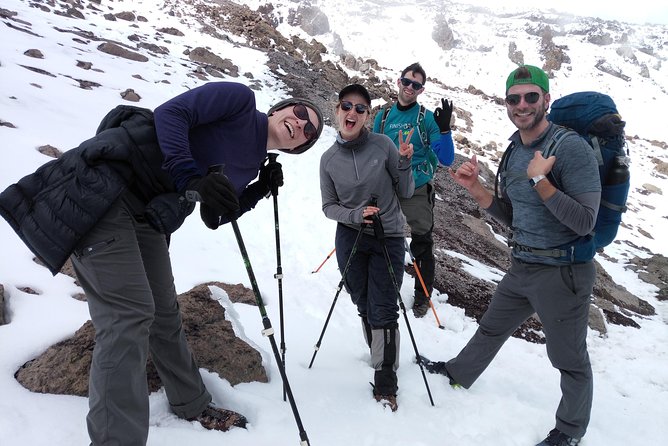
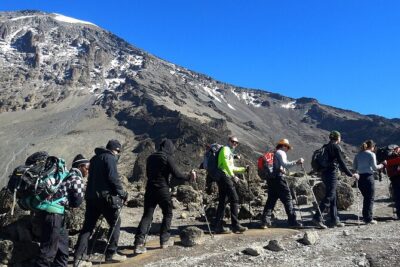
Summit day is the physical and emotional center of the trip. You leave Kibo Hut around midnight and climb through rocky terrain toward Hans Meyer Cave at about 5,150 meters. From there, the route continues to Gillman’s Point at 5,681 meters on the crater rim.
The ascent to Gillman’s Point is steep, rocky, and slow. Reaching it is already a major accomplishment, but it is not yet Uhuru Peak. From the crater rim, you usually continue across snow-covered ground toward the summit at 5,895 meters.
The program allows about eight hours to reach Uhuru Peak. The final approach can feel very long because of the altitude. Your guide’s pacing and encouragement are important here, as is your willingness to take small, steady steps rather than chase a fast pace.
At Uhuru Peak, you normally have only a short time for photographs and celebration. Cold, fatigue, and the need to descend all limit your time at the top. Still, standing at the highest point of Mount Kilimanjaro is a powerful moment and the clear goal of the climb.
The descent takes you toward Horombo Hut at 3,720 meters, with about six hours of walking and approximately 21 kilometers downhill. The program lists roughly six kilometers of ascent and 21 kilometers of descent for the day. That is a huge day, even after reaching the summit.
Downhill walking brings its own strain. Your knees, ankles, and toes may suffer more on the descent than during the climb, so use trekking poles if you have them and adjust your pace. Reaching Horombo Hut means you can finally sleep at a lower altitude, but you will likely be exhausted.
Day 6: Celebration, certificates, and the descent to Marangu Gate
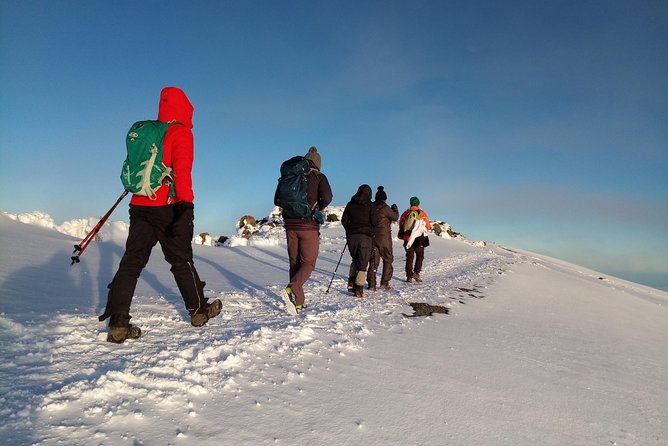
After breakfast, the mountain crew holds a celebration with dancing and singing. This gives the final morning a warm human touch after several serious days of walking. It is also the point when tips are presented to the guide, assistant guides, cook, and porters.
Tips are not included in the $2,380 price, so plan for them separately. The amount is not specified in the supplied tour details, but you should ask Kilisa for current guidance before the climb so you are prepared.
You then descend for about six hours to Marangu Gate at 1,980 meters. The listed distance is approximately 27 kilometers, which is a very long final day. The distance and timing appear demanding, so confirm the exact route and walking plan with the operator before departure.
At the gate, all hikers sign their names to receive certificates. Those who reach Gillman’s Point receive green certificates, while those who reach Uhuru Peak receive gold certificates. Afterward, you return to Moshi for showers and more celebration.
That return to town is part of the appeal. After mountain tents, cold nights, and limited washing, a proper shower feels like a luxury. The two included nights in Moshi also give you a useful base before or after the climb, depending on how Kilisa schedules your stay.
What the $2,380 price covers
The cost is $2,380 per person. That is not a budget walk, but Kilimanjaro prices include many expenses that are easy to underestimate.
The package includes private transport between Kilimanjaro International Airport and your Moshi accommodation, two nights of accommodation in Moshi, transport to and from the park gate, park entry fees, camping fees, government taxes, 18 percent VAT, and Kilimanjaro Rescue fees.
On the mountain, you receive four-season tents, double-layered sleeping mats, three hot meals each day, treated and filtered drinking water, and hot water for washing. A professional mountain team includes guides, a cook, and porters. Portable oxygen tanks, an oximeter, and an emergency first-aid kit are also included.
Lunch is listed five times, breakfast six times, and dinner five times. That matches a six-day mountain program with meals arranged through most of the route, but I would still ask for the exact meal schedule before you go.
Flights, travel insurance, and staff tips are excluded. Travel insurance is especially important for a high-altitude climb. Check that your policy covers mountain trekking, emergency evacuation, and the full altitude of Kilimanjaro.
Staff support and the human side of the climb
The strongest praise is directed at the people who make the climb work. Specific appreciation goes to the driver, hotel staff, guides, porters, and cooks, with Naick receiving thanks for handling arrangements. Juliana responds for Kilisa and says the comments will be passed to the mountain and safari crews.
That matters because a Kilimanjaro climb depends on dozens of small acts of support. Someone transports the gear, someone prepares meals, someone fills water, and someone gets the tents ready before you arrive. The stated safety policy also says the company’s staff plan for risks and focus on comfort during the climb.
You should still ask practical questions before paying: who will lead your group, how many porters are assigned, what medical checks are used, and how the team responds if someone cannot continue. The supplied information confirms oxygen and first-aid equipment, but it does not give a full evacuation procedure.
Who should book this climb?
I would recommend it to a fit adult who wants a structured Kilimanjaro climb with meals, camping equipment, transport, and a support team arranged in advance. It also suits people who value a gradual route and a small group rather than a private climb for only one or two people.
It is less suitable if you dislike cold camping, early morning starts, steep high-altitude walking, or long descents. You also need to be comfortable with a very demanding summit day and a final day listed at approximately 27 kilometers.
The tour requires a strong physical fitness level. That is a clear warning, not a formality. Train for long uphill and downhill walks, and use your preparation to test your boots, socks, daypack, and layers.
Booking details and cancellation terms
Pickup is offered, the meeting point is in Moshi, and the activity ends back there. A mobile ticket is available, and confirmation is received at booking. The group can have up to 15 people.
Free cancellation is available if you cancel at least 24 hours before the local start time. Cancellations or changes made less than 24 hours before the start are not accepted for a refund. The climb requires suitable weather, and if poor weather causes cancellation, Kilisa offers another date or a full refund.
Should you book the six-day Rongai climb?
Book this tour if you want a clearly supported route to Kilimanjaro’s summit and value having transport, park charges, food, tents, water, and a mountain crew included in one price. The gradual Rongai approach and Mawenzi Tarn acclimatization day are genuine advantages.
Before committing, confirm the day-one pickup time, the exact final-day distance, the staff tipping guidance, and the insurance requirements. If you are fit, accept the cold and altitude, and prepare properly for summit night, this is a strong all-inclusive option. If you need more time to adjust to altitude, ask Kilisa if a longer itinerary is available instead.
FAQ
Where does the climb start and end?
The tour starts in Moshi, Tanzania, and ends back at the meeting point in Moshi after the descent and return from Marangu Gate.
How long is the Rongai Route climb?
The experience lasts approximately six days.
What time does the tour start?
The stated start time is 8:30 a.m. The program also refers to an early breakfast and pickup, so confirm the precise pickup time with Kilisa.
How high is Uhuru Peak?
Uhuru Peak is at 5,895 meters.
How high is Kibo Hut?
Kibo Hut is at approximately 4,700 meters.
How long is the summit hike?
The program allows about eight hours to reach Uhuru Peak and six hours to descend to Horombo Hut.
Are meals included?
Yes. The package includes three hot meals daily while you are on the mountain. It lists six breakfasts, five lunches, and five dinners.
Is drinking water provided?
Yes. Treated and filtered drinking water is provided throughout the trek.
Is camping equipment included?
Yes. Four-season mountain tents and double-layered sleeping mats are included.
Is travel insurance included?
No. Travel insurance is not included and must be arranged separately.
Are tips included in the price?
No. Tips for guides, assistant guides, cooks, and porters are not included.
What happens if poor weather cancels the climb?
If poor weather causes cancellation, you are offered a different date or a full refund.
Just added in Moshi
- Zanzibar: Stone Town tour and Nakupenda beach with Lunch★ 5.0 · 1 review
- day trip lake manyara★ 5.0 · 2 reviews
- Mt Kilimanjaro 6 days Marangu route hike★ 5.0 · 3 reviews
- machame route★ 5.0 · 16 reviews
- Private Cycle to Kilimanjaro Bike Park Safari★ 5.0 · 6 reviews
- West Kilimanjaro cycling Adventures★ 4.5 · 8 reviews
- Wildlife Extravaganza: Manyara, Tarangire & Ngorongoro in 3 Days★ 5.0 · 3 reviews
- 3 Days Private E-Bike Tour in West Kilimanjaro★ 5.0 · 3 reviews
Rongai Route Climbs, compared.
Rongai Route 6 Days 5 Nights/Kilimanjaro climb
Read our review →
6 Days Kilimanjaro climbing | Hiking Tour via the Rongai Route
Read our review →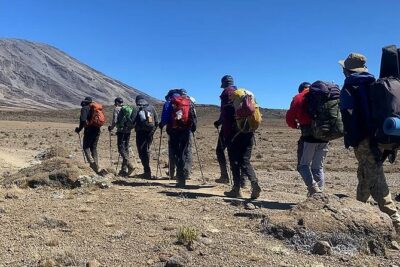
Browse the lists this tour appears in